China accelerates use of yuan in global trade and surpasses dollar in domestic transactionsPor Janderson
3 min de leitura
 |
China expands the use of the yuan in 30% of trade in goods and 53% of total international transactions, surpassing the dollar in the country since 2023. Beijing adopts a pragmatic strategy to internationalize the currency, focusing on real trade and debt in the Global South. The dollar holds 82% of global trade finance, while the yuan accounts for 5.8% to 7.6% in this segment.
The yuan reaches records in global foreign exchange reserves, with 2.4% in the second quarter, according to the IMF. Chinese authorities prioritize reducing dependence on the dollar, which began after the 2008 crisis.
- Pilot starts in 2009 for settlements in yuan.
- Soon surpassing the euro in commercial financing in 2024.
- Share in global payments reaches 3.17% in September 2025.
Advances in foreign trade
The yuan accounts for nearly a third of China’s goods trade, totaling $6.2 trillion annually.
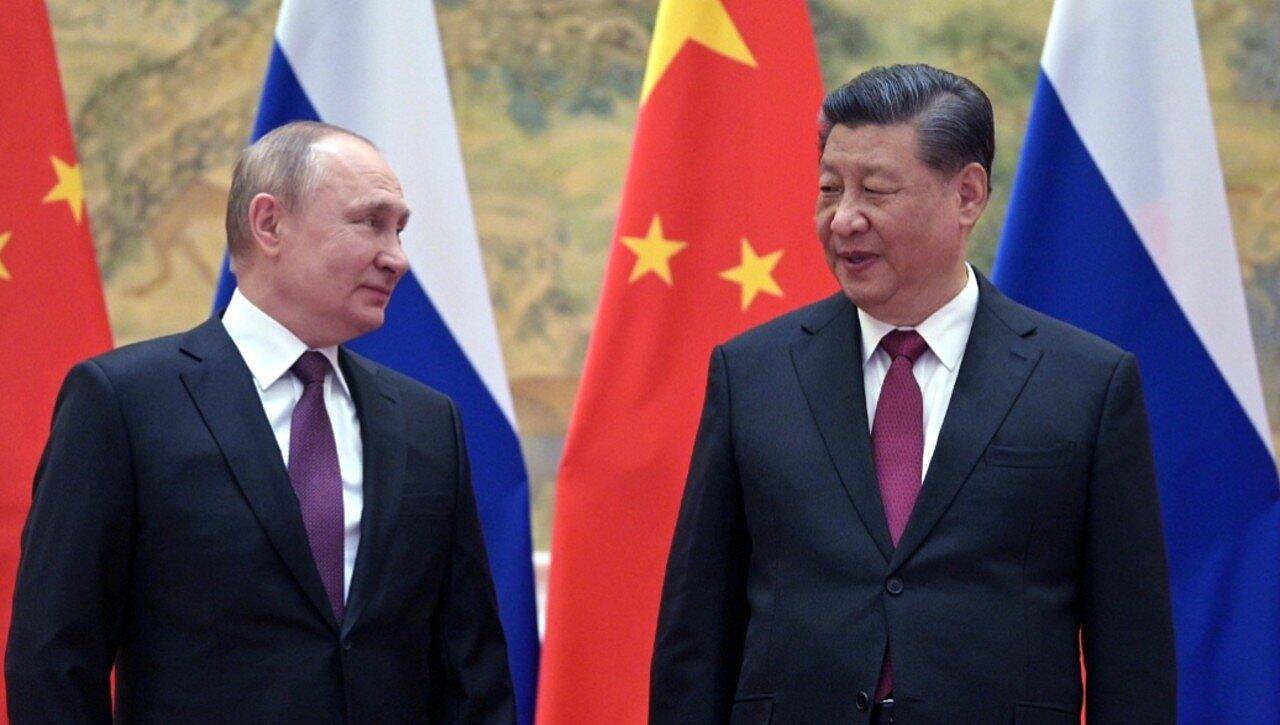
Agreements with Russia and commodity suppliers drive discounts and payments in Chinese currency.
State-owned enterprises demand higher yuan ratios for energy and raw materials.
Bilateral transactions with Brazil and other countries avoid the dollar in direct negotiations.

Beijing’s cautious strategy
Beijing seeks regionalization in the Global South, not total replacement of the dollar.
Experts highlight the focus on the real economy, avoiding full financial liberalization.
Capital controls protect the domestic system from external speculation.
Communist Party maintains finances subordinate to production and commerce.
Loans and debt on the rise
Chinese banks’ foreign yuan assets quadruple to $480 billion in five years.
Countries such as Kenya, Angola and Ethiopia convert dollar debt into yuan, with interest rates 200 to 300 basis points lower.
Indonesia, Slovenia and Kazakhstan issue bonds in Chinese currency.
New Silk Road Initiative incorporates yuan into 1 trillion dollars in credits.
Alternatives to the Western system
China develops CIPS as a competitor to Swift for independent transactions.
Yuan clearing centers operate in Singapore, London and Frankfurt.
Digital Yuan tests access in more than 20 countries to speed up payments.
Swap agreements with 50 nations provide yuan liquidity, helping Russia and Iran with sanctions.
Limitations to Hard Control
Yuan remains not fully convertible, with mandatory government oversight.
State banks manage domestic credit under political guidance.
Total opening would expose currency to speculative attacks and foreign influences.
Internal imbalances, such as excess production and weak consumption, depend on strong exports.
Dependence on trading partners
Success requires greater trust in Chinese institutions and a robust economy.
Tariff war with the US pressures foreign demand for Chinese products.
BRICS partners explore options, but China advances gradually.
Yuan expansion stalls without sustained global demand and transparency.