

Rare natural phenomena have always awakened mystical interpretations in different cultures. The will-o’-the-wisp, fiery rainbow and red tide are among the events that, in the past, were associated with spirits, gods or curses. Atualmente, chemistry, physics and biology offer precise explanations for each of them.
The list also includes complex mirages, hallucinations during sleep, sounds emitted by dunes and the supposed movement of certain palm trees. Esses cases show how natural processes can generate extraordinary impressions.
Wisps in swamps and cemeteries
Will-o’-the-wisps appear as bluish lights that float in damp areas. Combustion occurs when gases such as methane and phosphine, released by the decomposition of organic matter, come into contact with oxygen.
The rapid movement of flames is due to air currents. Esse effect reinforced the belief that they were spirits trying to attract people.
Fire rainbow in the sky
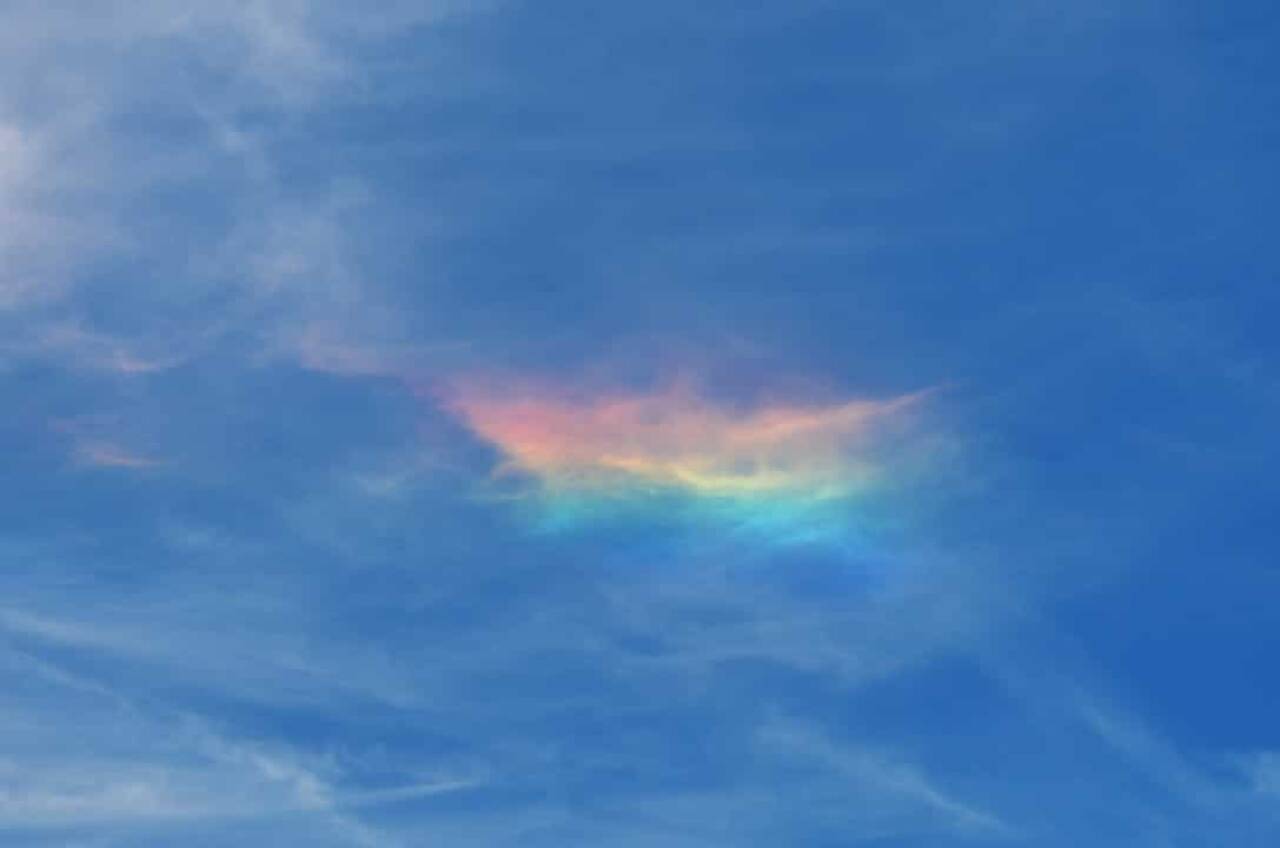
The phenomenon is also called circumhorizontal arc. Ele appears when sunlight passes through ice crystals present in high cirrus clouds.
The crystals need to be aligned horizontally and the Sol must be at least 58 degrees above the horizon. Refraction separates the colors and creates bands that resemble colored flames.
Superior mirages and Fata Morgana
These optical distortions occur in deserts and seas. Light bends as it passes through layers of air with different temperatures.
The result is images of distant objects that appear to float or multiply. Navios and mountains were once seen as castles or inverted cities on the horizon.
Sleep paralysis and hypnagogic hallucinations
Millions of people have experienced the sensation of waking up unable to move. The body remains paralyzed because the brain is still in the REM phase of sleep.
In this situation, the conscious mind generates visions and sensations of presence in the room.
The phenomenon explains ancient reports of demons or, more recently, of abductions by extraterrestrials.
Red tide and algal blooms
Sea water takes on a reddish or brown tone at certain times. The culprit is the rapid growth of dinoflagellates and other microscopic algae.
These organisms release toxins that kill fish and affect shellfish. Eventos of this type have already been recorded on several Brazilian coasts in recent years.
Voices emitted by singing dunes
Some dunes in the world produce serious sounds that reach 105 decibels. The noise arises when grains of dry, uniform sand slide in large volumes.
The collective vibration of the grains creates frequencies that travel long distances. Locais, like the desert of Saara and that of Califórnia, present the phenomenon regularly.
Palm trees that seem to move
The species Socratea exorrhiza, common in Amazônia, develops tall strut roots. Novas roots grow towards the light while the old ones rot.
The trunk gradually tilts and can advance up to 20 centimeters per year. The process takes decades and allows the plant to seek out areas with firmer soil or better light.



