

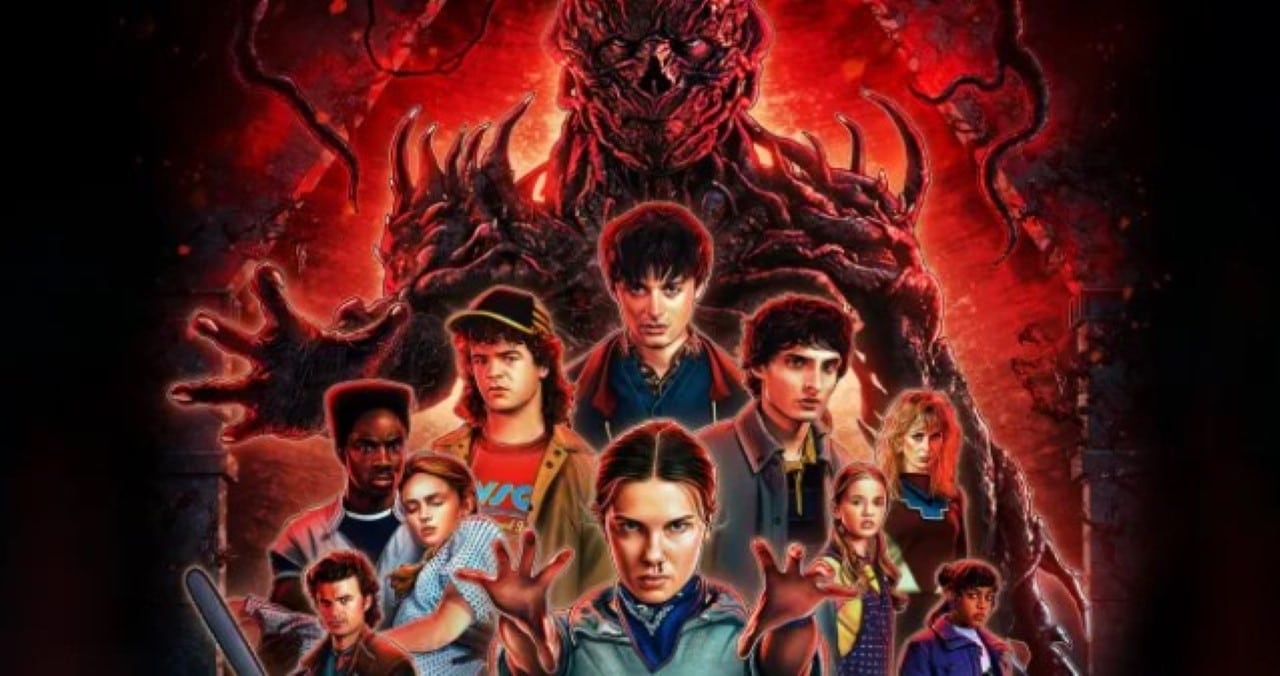
Netflix released the first volume of the fifth and final season of Stranger Things on November 26, 2025, with four episodes available for streaming. The series, created by brothers Matt and Ross Duffer, returns to the plot of Hawkins, Indiana, under military quarantine following the events of the previous volume. The focus falls on the group of teenagers and adults who plan confrontations against Upside Down entities, without pausing for extensive introductions.
This three-part strategy seeks to balance binge-watching with prolonged discussions on the networks. The second volume, with three episodes, arrives on December 25th, while the finale ends the saga on December 31st. The production cost more than 400 million dollars, which raises the scale of the action sequences.
- Immediate action from the first episode, with references to 1980s films.
- Budget per episode varies between 50 and 60 million dollars.
- Total duration of volume 1 exceeds four hours.
The schedule allows viewers to follow weekly updates, unlike the complete releases of the initial seasons.
Character evolution drives central narrative
Central characters such as Eleven, Mike, and Will face personal dilemmas amid the threat of Vecna. The group operates on coordinated missions, using pop culture knowledge for strategies. The series maintains a balance between sci-fi horror and interpersonal relationships, with dialogue that highlights friendships and rivalries.
Will Byers rises to prominence by revisiting his initial kidnapping, transforming trauma into collective motivation. Atores like Noah Schnapp and Millie Bobby Brown deliver performances that capture the maturity of the young protagonists. Sequências of confrontation incorporate gore elements, expanding the mature tone of the plot.
This approach avoids repetitions of past arcs, prioritizing fresh interactions between unlikely pairings. Críticos note that episode four, lasting 90 minutes, rivals previous season finales in intensity.
The plot builds to a climax that solves Upside Down mysteries without relying excessively on exposition.
High investments in visual effects
The budget of 400 to 480 million dollars allowed for filming in locations such as Atlanta and advances in CGI for Upside Down. Cada episode cost between 50 and 60 million, surpassing productions like The Rings of Power. The Duffer brothers supervised scripts that integrate references to classics like Back to the Future and Home Alone into action scenes.
Guest directors, including Frank Darabont, contributed to episodes like the third, which focused on creative traps against monsters. Post-production concluded in January 2025, with visual effects described as the series’ most ambitious.
These features elevate battles to cinematic levels, with grenades and flames in 81-minute sequences.
Initial reception points to consolidated success
Critics praise the fast pace of volume 1, with an average rating of 9.8 on IMDb for the fourth episode. Publicações highlight the return to the roots of Hawkins, without unnecessary departures to other locations. Fãs on social media react positively to the twists, predicting intense debates until Natal.
The series has accumulated more than 404 million hours viewed in previous seasons, reinforcing its status as a Netflix phenomenon. The chunked release model combines the binge format with traditional breaks, optimizing engagement.
Initial reactions emphasize the balance between spectacle and emotion, without the narrative stumbles of endings like Game of Thrones.
Volume 1 lays the foundation for satisfying resolutions, with twists that maintain the cohesion of the mythology.
Human bonds trump fantastic mechanics
Family and romantic relationships drive the plot, with love triangles resolving accumulated tensions. Personagens like Nancy and Steve explore dynamics altered by time, as youthful friendships face potential separations. The plot uses Hawkins’s quarantine to isolate the group, intensifying interdependencies.
Short 62-minute episodes contrast with the projected 78-minute finale, allowing focus on authentic dialogue. The series avoids excessive delving into the lore of Upside Down, prioritizing the emotional impacts of collective decisions.
This choice maintains accessibility for new viewers, who can start the marathon of the previous 34 episodes.
The development of secondary arcs, like that of Max, adds layers without diluting the main confrontation.
Group strategies define decisive confrontations
The first episode begins with coded signals between factions, preparing ambushes against Vecna. Armadilhas inspired by games and films demand coordination, with failures that generate personal drama. The narrative progresses without pause, integrating action with moments of vulnerability.
- Missions divide the cast into functional trios.
- Monsters evolve with armies of Demogorgons.
- Revelations about portals alter initial tactics.
These dynamics highlight the growth of the cast, from children to young adults.
The 78-day filming production captured scenes of epic scale, with Vancouver as the basis for inverted environments.
Cultural influences enrich the universe
References to works from the 1980s, such as The Exorcist and Jurassic Park, shape tense sequences. Os Duffers incorporates D&D elements into battles, with Camazotz as an emerging threat. The soundtrack maintains iconic synths, synchronized to adrenaline peaks.
Episode two features a cold open described as the series’ boldest, mixing humor and horror. Essas cultural layers access fans without overloading the main plot.
The premiere on Los Angeles on November 6, 2025 generated initial buzz, with five-minute teasers released in advance.
The legacy of the series, which began in 2016, influences global binge-watching, with spin-offs planned for 2026.



