
Expert details five eating habits that are crucial for sustainable weight loss

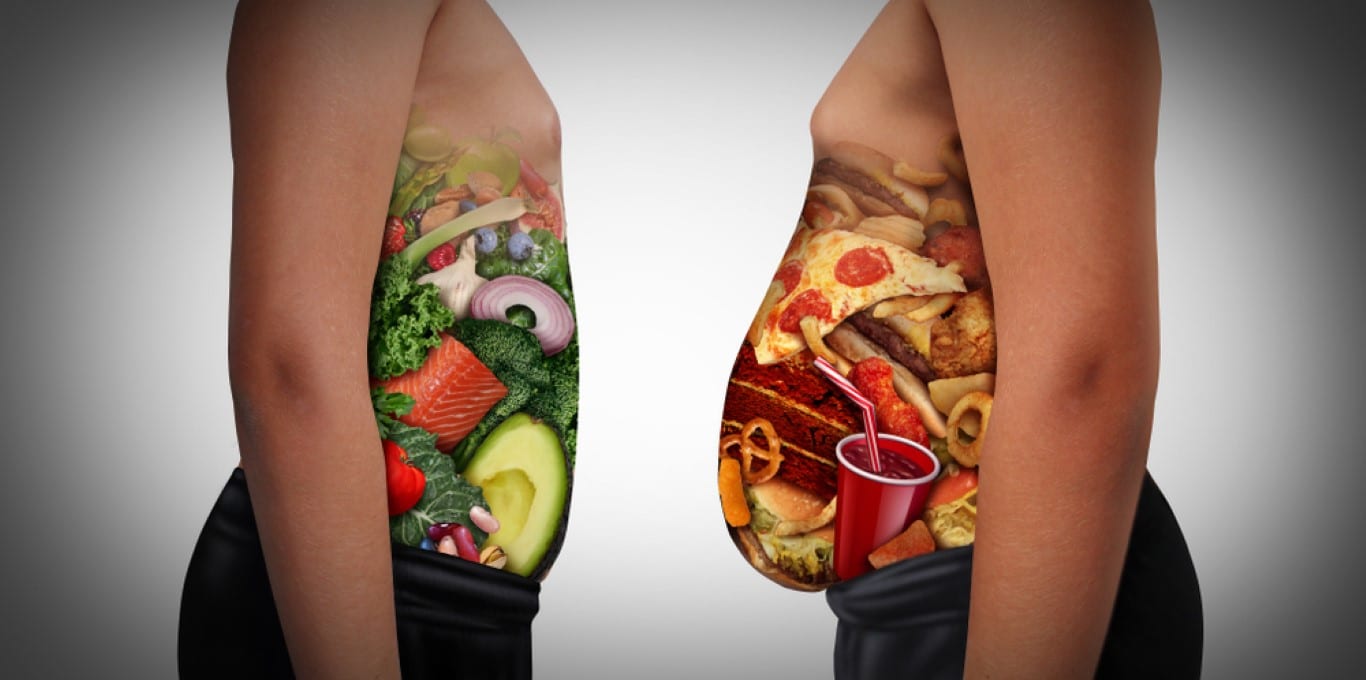
The ideal composition of the daily dish
The first step towards a balanced diet is understanding how to distribute nutrients in each main meal. The recommendation is to divide the plate into three clear sections to ensure adequate consumption of all essential food groups. Essa visual approach facilitates portion control and ensures that the body receives the energy and components necessary to function properly, avoiding blood sugar spikes and excessive hunger shortly after eating.
According to the methodology, half of the plate (50%) should be filled with a variety of vegetables, sources rich in fiber, vitamins and minerals. A quarter (25%) should be reserved for lean proteins such as chicken, fish, eggs or legumes, which are vital for building and repairing muscle tissue and promote prolonged satiety. The remaining quarter (25%) is allocated to complex carbohydrates, such as brown rice, sweet potatoes and quinoa, which provide energy in a gradual and sustained manner.
Meal planning as a strategy
Anticipating what will be consumed throughout the week is a powerful tactic to stay focused on your diet and avoid impulsive and unhealthy choices. The habit of preparing “lunchboxes” or simply planning the weekly menu has gained popularity due to its efficiency in optimizing time and ensuring total control over the ingredients and calories ingested.
By cooking your own meals, you can avoid excess sodium, sugars and saturated fats present in many processed and quickly prepared foods. The expert suggests cooking larger portions and freezing the surplus for other days, creating a stock of healthy, ready-to-eat meals.
This organization prevents the search for “convenience” options in times of hunger or rush, which often sabotage weight loss goals. Além Furthermore, planning contributes to financial savings and the reduction of food waste.
The importance of eating carefully and without rushing
The speed at which a meal is consumed directly interferes with the brain’s perception of satiety. The communication process between the stomach and the central nervous system takes about 20 minutes to complete, which means eating quickly can lead to more calorie consumption than necessary before the body signals that it is full. Praticar conscious eating, or “mindful eating”, is essential to reestablish this connection. Isso involves paying attention to signs of hunger and satiety, savoring each bite and chewing food properly. By slowing down, digestion is facilitated and the feeling of fullness comes with a smaller amount of food, helping to control portions naturally and without suffering. Esse habit is especially important for those who have undergone bariatric procedures, as the body cannot tolerate large volumes at once.
Hydration as a fundamental ally in the process
Adequate water intake plays multiple roles in the weight loss process and health maintenance. Water is essential for the proper functioning of metabolism and for the transport of nutrients in the body.
The brain often confuses signals of thirst with hunger, leading to the consumption of unnecessary calories. Manter Staying well hydrated throughout the day can help control your appetite and avoid untimely snacking.
Drinking water before meals can also increase the feeling of satiety, causing the person to consume a smaller portion of food. The general recommendation is to consume around two liters of water per day, but this amount can vary.
Combining a high-protein diet with constant hydration is an effective strategy for keeping hunger under control and optimizing body fat loss results.
Regular physical activity complements the diet
Although dietary re-education is the basis for weight loss, the inclusion of physical exercise in the routine is what enhances and sustains long-term results. Practicing regular activities not only increases caloric expenditure, but also improves body composition, strengthening muscle mass.
The guideline is to perform at least 30 minutes of physical activity most days of the week. It is crucial to find a modality that is enjoyable to ensure adherence and consistency, be it walking, running, dancing or weight training.
Understanding body signals
Learning to differentiate between physical hunger and emotional hunger is one of the pillars for successful weight loss. Physical hunger appears gradually and is satisfied with any type of food, while emotional hunger is sudden, specific to certain items (generally rich in sugar or fat) and is linked to feelings such as anxiety or stress.
Consistency trumps perfection
The weight loss process is not linear and is subject to fluctuations. It is essential to understand that small slips do not represent failure, but rather a natural part of the journey. The most important thing is not to give up and resume healthy habits at the next meal.
The key to long-term success is consistency. Small choices made daily, such as opting for fruit instead of candy or taking stairs instead of using the elevator, add up and generate a big impact over time.



