

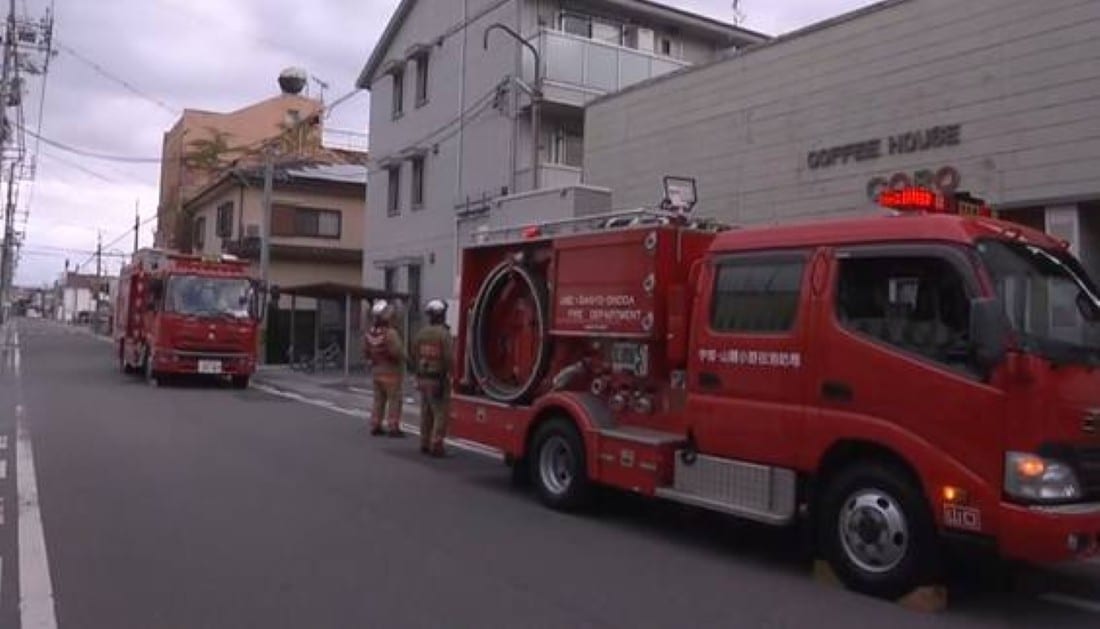
A gas leak in Ube, in the province of Yamaguchi, in Japão, resulted in 22 residential fires this Friday morning (5), injuring two people. The incident began around 6am local time, when reports of a gas odor began to reach emergency services. Autoridades locations identified a failure in pressure reduction equipment in the urban gas network as the main cause.
Company Yamaguchi Gas Corporation confirmed that the pressure in the system reached twice normal, leading to widespread leaks. Equipes of firefighters worked on several fronts to contain the flames, which appeared mainly in residential kitchens. Até At the moment, there are no reports of serious structural damage, but the episode directly affected the routine of thousands of residents.
- Key initial impacts include disruption of meals at local schools.
- Two injured people suffered minor burns and received immediate medical attention.
- Central areas of the city were isolated for security inspections.
Preliminary investigations point to an isolated anomaly in the pressure regulator, but analyzes continue to rule out systemic failures.
Origin of the technical failure
The anomaly occurred in one of the network’s main high pressure regulators, responsible for adjusting the flow to residences. Técnicos from Yamaguchi Gas Corporation detected measurements of up to 12 times the standard value during morning checks. Essa elevation caused leaks in underground pipes and domestic connections, triggering the first alerts.
Immediate consequences in homes
Residents reported intense flames when lighting stoves, with flames reaching 1.5 meters high in some cases. A former coffee shop owner described how the fire broke out near the main register, forcing quick evacuations. Equipes emergency services advised the population to close valves and ventilate environments, avoiding escalations.
Essential services, such as food preparation in public institutions, were temporarily suspended. In at least two primary schools, planned menus had to be changed to cold options. The impact extended to local businesses, where gas outages affected routine morning operations.
Witness reports highlight the rapid response of firefighters, who extinguished isolated outbreaks in less than an hour each.
Containment and security actions
The company chose to suspend the supply of urban gas to around 12,500 homes at around 10 am local time, prioritizing the prevention of additional risks. Veículos inspections went through central neighborhoods, checking for residual leaks with portable detectors. Autoridades municipalities issued alerts via loudspeakers and apps, recommending the use of alternative electricity for cooking.
This measure avoided secondary incidents, although it generated queues in nearby supermarkets to purchase ready-made food. Técnicos worked in parallel to isolate the faulty equipment, restoring flow in peripheral sectors. Até midday, around 20% of affected connections returned to normal, according to a preliminary assessment.
- Emergency protocols included distribution of masks for respiratory protection.
- Partnerships with health services monitored possible mild poisonings.
- Hourly updates were posted at community centers.
The focus remained on stabilization, with engineering teams evaluating reinforcements to existing infrastructure.
Restoration efforts underway
Partial restorations began in neighborhoods north of the city, where pressure tests confirmed safety. However, the full return to supply depends on regulatory approvals, which could extend until the end of the day. Yamaguchi Gas Corporation mobilized labor reserves from neighboring provinces to speed up repairs to the main regulator.
Logistical challenges arose due to the volume of inspections required, covering more than 50 kilometers of network. Especialistas in gas safety participated in simulations to validate the procedures adopted. Enquanto Therefore, residents received guidance on early detection of odors, via leaflets distributed door to door.
The process involves precise calibration of equipment to prevent recurrences, with a provisional schedule pointing to normalization within 48 hours in most areas.
Preventative measures for the future
Authorities plan more rigorous annual audits of pressure regulators, inspired by similar incidents in other Japão regions. Treinamentos communities on safe gas use will be expanded in Ube, focusing on families with elderly people. The company announced investments in remote sensors for real-time monitoring, reducing vulnerabilities.
These initiatives aim to raise maintenance standards, considering the aging of parts of the urban network. Colaborações with national energy bodies will ensure compliance with updated standards. The episode reinforces the importance of regular inspections of essential systems.
Witness accounts and local responses
One resident described the exact moment his stove produced an unexpected flare, forcing him to manually turn off the appliance. Outros neighbors noticed the strong smell minutes before the sirens, allowing preventive action. Centros Temporary evacuation facilities were set up in school gymnasiums, accommodating dozens of families for a few hours.
The mayor of Ube met with company executives to discuss compensation for those affected, including reimbursements for extra expenses. Voluntários locals helped distribute bottled water and emergency kits. The community demonstrated solidarity, with informal support networks emerging in impacted neighborhoods.
These testimonies highlight local resilience in the face of urban emergencies, contributing to operational lessons.
Current situation and next steps
At the end of the morning, firefighters confirmed full control of the 22 fires, with security perimeters removed in peripheral sectors. Hospitais reported that the two injured were discharged, without further complications. The company estimates that 70% of the network will be operational by dusk, prioritizing homes with dependents.
Environmental monitoring continues to detect residual traces of gas, with negative results so far. Equipes communication channels maintain open channels for questions from the population, via a free hotline. The incident serves as a reminder of protocols in public utility networks.



