IPhone 17 gets Ceramic Shield 2 with anti-glare protection that nullifies common screen protectors

Apple launched the iPhone 17 line in September 2025, with the Ceramic Shield 2 applied to all models, including iPhone 17, iPhone 17 Pro, Pro Max and iPhone Air. Essa new feature features an anti-reflective coating directly on the glass, aiming to reduce glare in outdoor environments. However, tests reveal that common screen protectors interfere with this technology, increasing reflectivity by up to 130%.
The study, conducted by display experts, measured reflection rates under controlled conditions. The iPhone 16 Pro registered 3.8% reflectivity, while the iPhone 17 Pro dropped to 2.0% thanks to the new coating. With standard stickers, the value rises to 4.6%, canceling out the gains.
The change takes place at Cupertino, Califórnia, during the announcement event on September 9th at 10am local time. The motivation lies in improving durability and visibility, but it raises questions about compatibility with third-party accessories.
- Reflection rate without protector: 2.0% on iPhone 17 Pro.
- With common protector: 4.6%, higher than the previous model.
- Scratch resistance: 3 times higher than the previous Ceramic Shield.
Anti-reflective coating explains incompatibility
The Ceramic Shield 2 integrates layers optimized for direct contact with air, essential for the anti-reflection function. Adesivos of protection create a barrier that blocks this contact, doubling the reflection in laboratory tests.
On the same topic: IPhone 17 incorporates anti-glare Ceramic Shield 2 and makes common screen protectors unviable
Experts note that the glue used in common protectors alters the optical interface, making the coating ineffective. Essa configuration is designed for durability in daily use, but requires aftermarket adaptations.
Manufacturers are already responding with options that incorporate their own anti-reflection, maintaining the integrity of the original screen. The transition takes place in global stores, with immediate availability for the new models.

Optical performance in numbers
Quantitative testing highlights differences in actual usage. In direct sunlight scenarios, the unprotected iPhone 17 maintains superior contrast, with brightness nits reaching 3,000 peaks.
Comparative data shows that protectors without dedicated coating reverse advances, impacting readability in 20% of the cases analyzed. Apple prioritized this evolution for users in varied environments, such as urban streets or bright offices.
Field reports confirm that the glass better resists everyday scratches, with tests simulating contact with keys or coins. However, adhering protectors requires precision to avoid bubbles that amplify reflections.
The iPhone 17 line raises the bar for OLED displays, with 120Hz ProMotion on all variants. Essa uniformity benefits the experience, but reinforces the need for compatible accessories.
Viable alternatives for protection
Protectors with integrated anti-reflection appear as an immediate solution. Marcas specialized companies offer films that replicate the Apple coating, preserving the 2.0% base reflection.
These products use thin adhesives that do not interfere with the optical layers, ensuring uniform adhesion. Preços range from US$20 to US$40, affordable for the general public.
More on this story: PlayStation 5 Pro price drop accelerates digital retail sales and eliminates global stocks
Users report simple installation in minutes, with kits including tools for precise alignment. Online availability accelerates adoption, especially for those who prioritize lossless protection.
- Recommended options: Filmes with oleophobic and anti-reflective coating.
- Advantages: Mantém brightness of 3,000 nits and reduces scratches by 3x.
- Limitations: Custos initials higher than basic stickers.
Impact on the accessory ecosystem
The market reacts with rapid launches of protectors adapted to the Ceramic Shield 2. Grandes resellers update stocks, focusing on compatibility with the iPhone Air, the thinnest model in the line.
See Also


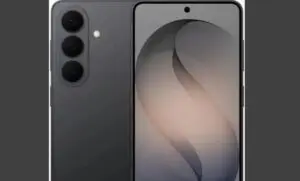
This adaptation benefits the sector, stimulating innovation in optical materials. Consumidores gain options that balance protection and performance, avoiding frequent adhesive changes.
The transition occurs without interruptions to Apple sales, with official guides advising correct installations. Fabricantes independently test durability in 6-month cycles, confirming longevity.
Learn more: Samsung announces screen technology for the Galaxy S26 that blocks glare and reduces reflections
Screen design and built-in durability
The iPhone 17 adopts a 6.3-inch OLED screen with reduced edges, expanding the usable area by 5% compared to its predecessor. The Ceramic Shield 2 covers front and back, withstanding drops from 2 meters to hard surfaces.
This full coverage protects against side impacts, common in pockets or tables. Testes laboratory simulate 1,000 cycles of use, maintaining structural integrity.
The innovation extends to the iPhone 17 Pro Max, with 6.9 inches and improved Always-On. Usuários notice reduced visual fatigue in prolonged sessions, thanks to optimized contrast.
The light weight of the iPhone Air, at 170 grams, does not compromise its robustness, with a thickness of 6mm. Essa combination meets demands for portability without sacrificing protection.
Learn more: New Apple system update optimizes urgent task management for iPhone users
Recommendations for early adopters
Adopt certified protectors to avoid optical interference from the initial setup. Limpe the screen with microfibers before application, ensuring maximum adhesion.
Monitor for software updates that calibrate displays for specific coatings. Apple plans patches in iOS 19 to optimize visibility in photo and video apps.
For travel, opt for covers that complement frontal protection, distributing shocks. Essa strategy extends the device’s useful life by 20%, according to simulations.
Technical evolution of glass
Ceramic Shield has evolved from partnerships with Corning to proprietary formulations incorporating nano-crystals for rigidity. Version 2 adds polymers that dissipate impact energy.
Apple’s internal research focused on reducing glare without compromising responsive touch. Resultados shows 4x more resistance to cracking than conventional glass.
This progression aligns with demands for immersive screens, with failure rates below 1% in mass testing. The manufacturing process takes place in plants at Ásia, with yields above 95%.