Tim Cook reveals new iPhone and iPod prototypes in celebration of Apple’s fiftieth anniversary
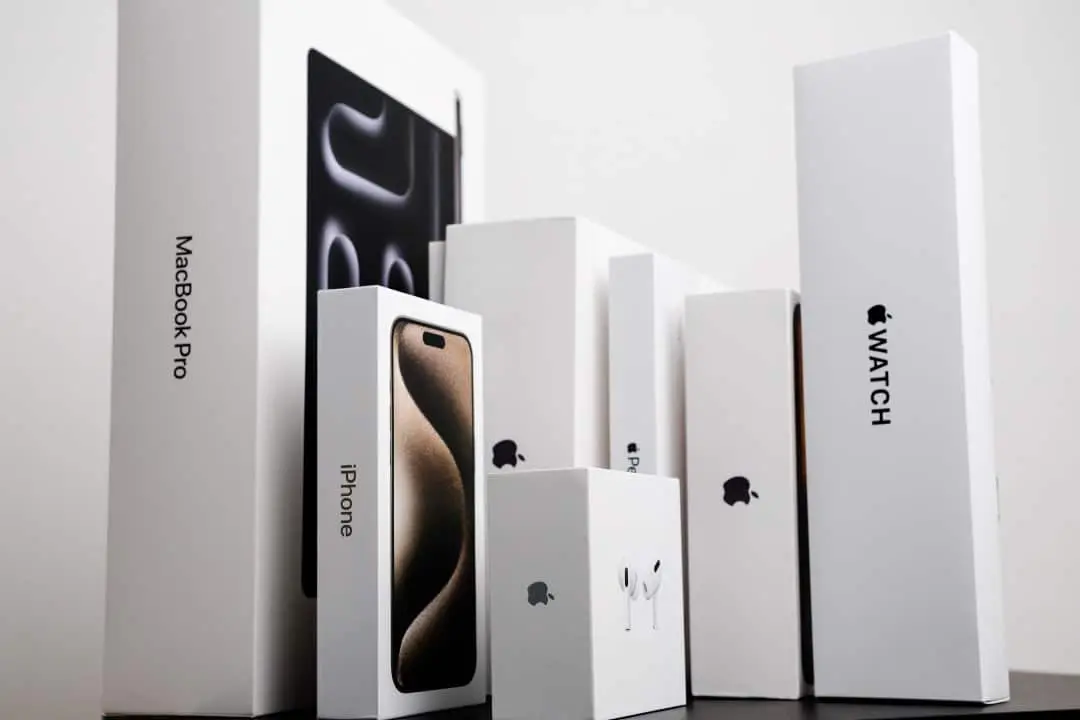
The CEO of Apple, Tim Cook, conducted an in-depth exploration of the company’s confidential files in a recent press session. The unprecedented visit to the storage facility revealed equipment that had never left Cupertino’s testing laboratories. The initiative marks the half-century anniversary of the electronics manufacturer’s founding, offering a technical insight into the development of devices that redefined the global market.
During the exhibition, original patent documents and hardware parts in the primary stages of assembly were presented. The selected material ranges from the brand’s first personal computers to the mobile devices that dominate current sales. The partial opening of this restricted collection allows us to analyze the reverse engineering of innovations that changed media consumption patterns and mobile communication.
The demonstration included items of high historical value for computer engineering, such as gigantic circuit boards and temporary casings. The executive detailed the transition stages between theoretical conception and mass manufacturing. The pieces on display function as a physical record of the design decisions that have shaped the trajectory of the Californian corporation in recent decades.
Collection of unpublished pieces and initial records
Walking through the archive’s halls revealed items that the executive director himself was unaware of or hadn’t seen in years. The starting point of the exhibition focused on the legal documents that guaranteed the intellectual property of the brand’s first inventions. Entre the papers displayed, the original patents for the computer Apple II stand out, registered at the end of the 1970s, which established the financial and technological foundations for the manufacturer’s future flights.
On the same topic: Tim Cook reveals historic iPhone and iPod prototypes during Apple’s 50th anniversary celebration
These old certificates share space with hardware components that demonstrate the evolution of electronic miniaturization. Rigorous documentation of each testing phase demonstrates the internal working method, characterized by multiple iterations before final approval. Maintaining this physical inventory serves not only as a corporate museum, but as a source of reference for the company’s current hardware and software engineers.
Evolution of the portable music player
One of the central points of the presentation involved the original iPod prototype, dating back to 2001. The rudimentary device displayed the mechanical navigation interface that would later become the famous click wheel, responsible for facilitating scrolling through long lists of audio tracks. The executive recalled the technological scenario at the time, dominated by physical media and CD players that limited the amount of audio transported by the user.
The introduction of this specific device required a complete restructuring of the manufacturer’s supply chain. The ability to store thousands of digital files on equipment that fits in your pocket has generated unprecedented production demand. Partner factories needed to adapt their assembly lines to deliver massive quantities of units every few months, establishing a new standard for international logistics.
The test model preserved in the archive illustrates the initial dimensions of the project, which were considerably larger than the commercialized version. Reducing the size of internal hard drives and optimizing battery consumption were obstacles gradually overcome by the engineering team. Esse continuous refinement process consolidated the brand in the digital entertainment sector and prepared the ground for subsequent launches.
Original circuit board and engineering testing
The transition to the mobile phone market was illustrated by a test circuit board for the first iPhone, developed between 2006 and 2007. The piece impresses with its exaggerated dimensions, resembling a kitchen cutting board, a far cry from the compact format of the final cell phone. The component served exclusively to validate communication between the processor, the radio antenna and the touch screen.
The method of using oversized boards allows software developers to create the operating system simultaneously with the work of hardware engineers. Essa parallel approach speeds up the build cycle, ensuring that core applications run smoothly before chips are miniaturized. The exposed equipment had exposed connectors and diagnostic ports that made it easier to identify code failures.
More on this story: New Apple system update optimizes urgent task management for iPhone users
Validating the concept of an interface entirely based on multiple touches required unprecedented processing power for portable devices at the time. The giant card allowed the team to test the fluidity of page scrolling and pinch-to-zoom without the thermal constraints of a small chassis. Apenas After software stabilization, the components were compressed into pocket format.
The display of this technical artifact demystifies the idea that complex products are born ready-made in laboratories. The reverse engineering of the brand’s first smartphone reveals an exhaustive process of trial and error. The raw piece contrasts sharply with the polished design that hit the shelves, highlighting the systems integration effort.
See Also


Replacement of materials in the final stage of production
During the internal testing period of the original smartphone, executives and engineers used functional prototypes in their daily routines to identify possible usability flaws. Foi At this critical stage, a serious durability problem was detected in the plastic screens covering the displays. Constant friction with keys and coins in users’ pockets caused deep scratches, compromising content viewing and touch sensitivity. The realization forced management to make a drastic decision just weeks before mass manufacturing began, requiring a complete change in material supply.
The solution found was the immediate transition to scratch-resistant glass, a technology that was not yet widely used in the mobile phone industry. The last-minute change required intense negotiations with material suppliers and emergency adjustments to assembly machines in Asian factories. The executive director described this logistical maneuver as a highly complex operation, comparable to industrial rescue missions. The adoption of glass not only solved the problem of scratches, but established a new standard of premium finishing that was quickly copied by all competitors in the industry.
Learn more: Apple prepares iPhone 18 Pro for 2026 with invisible camera and retro look
Patent registrations and wearable accessories
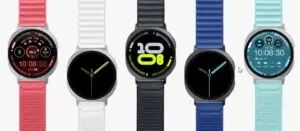
In addition to the equipment that redefined mobile computing, the historical collection contains the embryonic stages of the company’s entry into the health and well-being segment. The files revealed early components of the brand’s smartwatch, including test straps and unfinished biometric sensors. One of the highlighted items was a preliminary model used by the executive director himself during rehearsals for the public presentation of the product. The documentation attached to these prototypes details the ergonomic studies and calibrations necessary to ensure accurate heart rate readings on different skin tones and wrist sizes. The evolution of these wearable accessories demonstrates the manufacturer’s strategy of creating a closed ecosystem, where each new device complements the functions of the main smartphone. The preservation of these specific pieces illustrates how the company transformed medical monitoring technology, previously restricted to hospitals, into an everyday consumer item, requiring years of research into sensor miniaturization and energy efficiency.
Preservation of the brand’s technological memory
Maintaining such a detailed physical archive fulfills a strategic function that goes beyond simple corporate nostalgia. Newly hired engineers use this collection to understand past architectural decisions and avoid repeating mistakes on ongoing projects. The rigorous cataloging of each board, casing and patent document ensures that the technical knowledge accumulated over five decades remains accessible to future generations of the company’s developers.
Executive view of the creative process
Direct interaction with historical pieces provoked technical analyzes of the pace of development of the electronics industry. The executive, who joined the corporation in the late 1990s, closely followed the transition from a company focused on desktop computers to a global mobility giant. Ele highlighted that the essence of the creative process remains unchanged: the need to prove that a technology works in its rawest form before worrying about aesthetics. The visualization of the gigantic plates reinforces the thesis that functionality always precedes the final design in the initial research phases.
Learn more: Smartphone launches at the end of 2026 rely on flexible screens and advanced chips
The observation of exponential growth in sales was also a topic during the analysis of the artifacts. Production volume jumped from thousands of music players in the early 2000s to massive volumes of smartphones in the following decade. Essa escalation required the construction of a highly synchronized global supply network capable of delivering precision components in extremely short time frames. The ability to predict consumer demand and align large-scale manufacturing has become the manufacturer’s main competitive differentiator in the international market.
Process documentation for the future
The partial opening of the storage facilities marks a subtle change in the corporation’s traditionally maintained policy of strict secrecy. The controlled display of prototypes allows the technical public and specialized press to understand the complexity involved in creating consumer electronics. Physical records prove that technological leaps result from years of silent research and thousands of discarded prototypes.
Each item cataloged in the archive represents a specific branch of the hardware development tree. Algumas Circuit boards shown belong to projects that were canceled or merged with other product lines. Essa Documentation of what did not work is treated with the same importance as equipment that achieved commercial success, serving as a map of technological routes already explored.
The historical collection consolidates the narrative of continuous engineering that supports the Californian manufacturer’s operations. The transition from the first garage-assembled computers to today’s complex communications devices is physically recorded on these shelves. Preserving this material heritage ensures that the working methodology that defined modern personal computing remains documented for future analysis.