


The December supermoon, known as Lua Fria, reaches peak illumination at 23:14 UTC this Thursday (4), marking the last event of its kind in 2025. The phenomenon occurs when the natural satellite of Terra is at perigee, its closest point to the planet, and coincides with the full moon phase. Essa is the third of four consecutive supermoons, visible from all continents under favorable weather conditions.
The lunar disk appears up to 8% larger in diameter and 16% brighter than an average full moon. The high altitude in the sky makes this supermoon the highest of the year, an effect linked to the upcoming winter solstice.
Global weather forecasts indicate low cloud cover in regions such as Europa Ocidental, parts of Estados Unidos and Ásia Oriental at night.
Ideal times for world watching
Moonrise varies by time zone, but the most impactful moment comes just after local sunset. Na Europa, this occurs around 16:00 UTC, while in the eastern Estados Unidos, this occurs around 23:00 UTC.
The lunar illusion effect amplifies the apparent size near the horizon. Observadores in high places capture maximum details without equipment.
Cultural Meanings of Lua Fria
North American indigenous tribes, such as the Mohawk, name the December moon Lua Fria due to the low temperatures that mark winter. The Mohican call it Lua da Longa Noite, referring to the shortest days near the solstice.
Other people, such as the Cree, call it Lua das Árvores that Estalam with Gelo, describing the sound of frozen logs.
In ancient European tradition, pagans know it as Lua Antes of Yule, celebrating the festival that honors the return of sunlight.
- Cherokee and Haida: Lua da Neve, symbolizing the first snowfalls.
- Dakota: Lua of the Cervos than Perdem of the Chifres, indicating the cycle of animal renewal.
- Western Abenaki: Lua Criadora from Inverno, marking the seasonal transition.
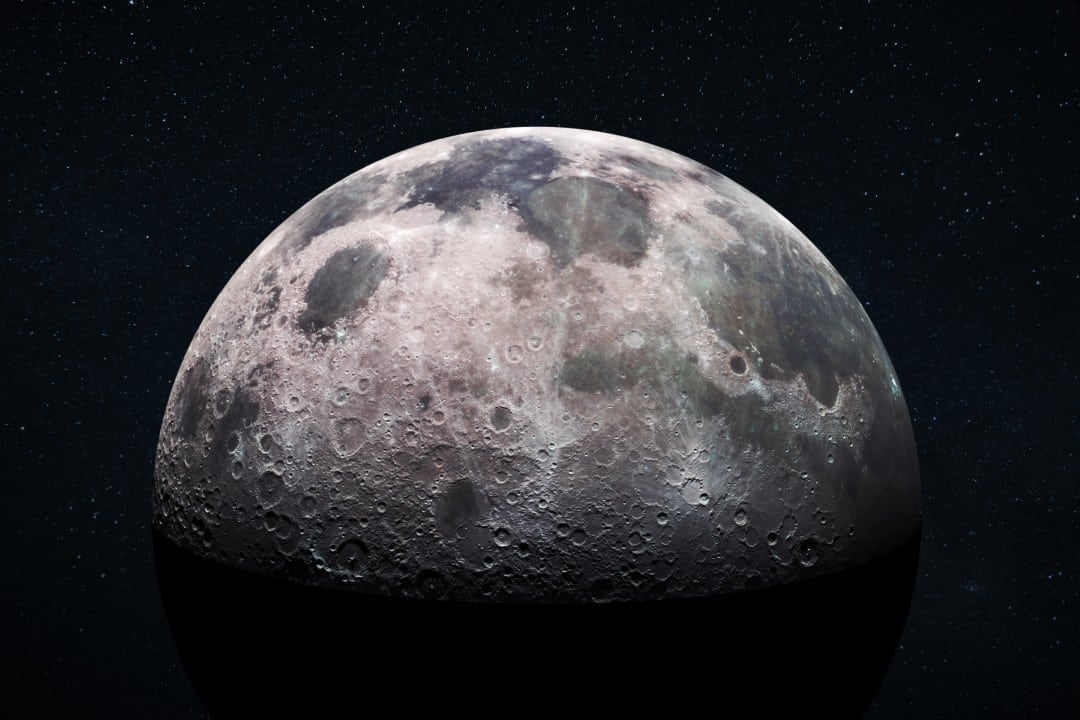
Supermoon sequence and December events
December’s supermoon closes a series that began in October with Lua of Colheita and continued in November with Lua of Castor. The next one, on January 3, 2026, will be Superlua of Lobo, the largest of the four.
The Geminídeas meteor shower begins activity in December, peaking on the night of the 13th to the 14th.
The winter solstice on Hemisfério Norte occurs on December 21 at 15:03 UTC, bringing about the shortest day of the year.
Visibility by hemisphere
At Hemisfério Norte, the supermoon reaches a high zenith due to the low solar position, favoring observations at Europa, América of Norte and Ásia. Locais like Stonehenge, in Reino Unido, align historically with these events.
In Hemisfério Sul, the moonrise occurs earlier, with good contrast against the night sky. Regiões like Austrália and África of Sul record clear visibility despite mild temperatures.
Cities like Nova York and Londres predict clear skies, while Tóquio and Sydney face minimal cloud variability.
Complementary meteor showers
Geminídeas offers up to 150 meteors per hour under ideal conditions, with radiant at Gêmeos visible after local midnight. The thin waning moon does not interfere with observation.
Úrsidas, active from December 17th to 26th, peaks on the 21st-22nd with 5 to 10 meteors per hour. The radiant is at Ursa Menor, favoring Hemisfério Norte.
These events coincide with the solstice, extending nights for extended observations. The new moon on December 20 guarantees dark skies for Úrsidas.
Tips for Global Observers
Choose locations with little light pollution, such as national parks or isolated beaches. Binóculos reveal craters, but the naked eye is enough for the overall brightness.
Cold temperatures require warm clothing in high latitudes, while tropics offer comfort. Aplicativos of astronomy calculate exact times by location.
Historical records show that supermoons like this inspired ancient monuments, from Chaco Canyon in the US to Newgrange in Irlanda.



