
IPhone Fold appears in rumors with 7-inch crease-free screen and 5500mAh silicon-carbon battery and Xiaomi launches POCO C85 By Carolina Costa
6 min read
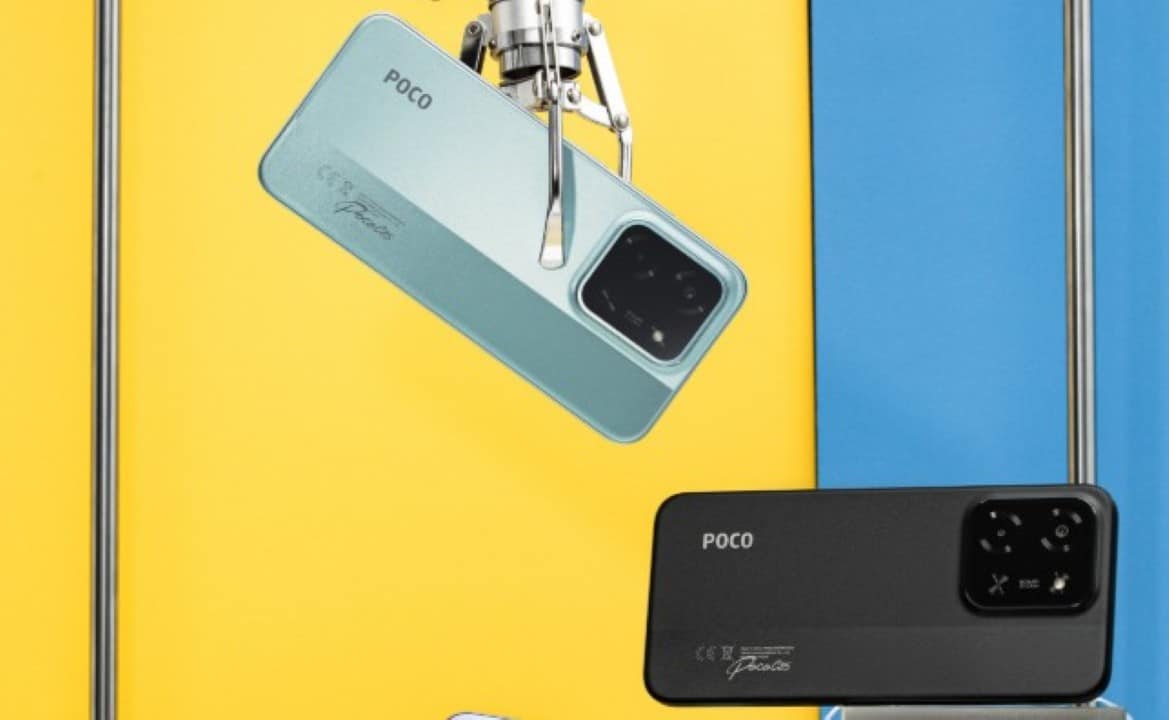 |
Xiaomi announced this Tuesday (2) the official launch of three affordable smartphones on the Brazilian market, including the POCO C85 and the Redmi 15C and 15C 5G variants. The devices arrive with a focus on prolonged autonomy and balanced performance for everyday life, available in official stores and online retailers such as the Mercado Livre. Prices start at R$1,599 for the POCO C85, targeting the public looking for economical options without giving up features such as a 120Hz screen.
The devices share features such as a 6,000 mAh battery, which guarantees up to two days of moderate use, and a 50 MP main camera with optimized image processing. The debut takes place at a time of expansion of the brand in the country, where demand for entry-level models grew 15% in the last quarter, according to market data.
- Wide screen: 6.9 inches with HD+ resolution and 810 nits brightness for better outdoor visibility.
- Performance: MediaTek Helio G81 Ultra chip in POCO C85 and Redmi 15C 4G, with 4 GB or 6 GB RAM options.
- Connectivity: Suporte to NFC and Bluetooth 5.4, in addition to 33 W charging on 5G models.
- Storage: Variantes 128 GB or 256 GB, expandable via microSD.
These launches reinforce Xiaomi’s strategy of offering value for money in a competitive segment.
Android 16 update brings innovations in notifications and personalization
On Monday (1st), Google released the QPR2 quarterly update for Android 16, initially available for Pixel devices. Essa version introduces artificial intelligence features to manage alerts and visual customization options, aiming to improve efficiency in daily use. The rollout occurs gradually, with December security fixes included.
The main new feature lies in the AI notification summary system, which condenses long conversations into group chats or extensive messages. Além Additionally, the automatic organizer groups and silences low-priority alerts, such as app promotions. Esses adjustments aim to reduce interruptions, especially in work environments.
Expanded dark mode applies the theme to apps without native support, saving battery on OLED screens. Ícones themes now automatically adapt to the wallpaper, promoting a more cohesive interface. Controles Unified Parenting includes screen time limits and break scheduling, accessible directly from Settings.
Xiaomi launches on Brasil focus on autonomy and accessibility
Xiaomi Brasil began selling the new models without fanfare, prioritizing online channels to speed up distribution. The POCO C85, for example, operates with Android 15 under the HyperOS 2 interface, which optimizes power consumption and integrates AI tools for photo editing. The 4G variant costs R$1,599 in the base 128 GB configuration, with an 8% cash discount.
The Redmi 15C and 15C 5G differ mainly by chipset: the Dimensity 6300 in the 5G version improves connectivity on fast networks. Ambas options come in colors such as black, purple and green, with glass construction on the camera module for greater resistance. The 6,000 mAh battery supports up to 48 hours of mixed use, according to the brand’s internal tests.
These devices serve a segment of the market that prioritizes durability over premium specifications. On the first day of sales, initial stock was sold out on some platforms, indicating positive acceptance.
China’s direct import strategy keeps prices competitive, although without local production. Atualizações of software promises support for two years, in line with the category standard.
Leaks reveal design of the Motorola Edge 70 Ultra
Rendering images leaked this Wednesday (3) expose the final design of the Motorola Edge 70 Ultra, expected for the first quarter of 2026. The device adopts a prominent square camera module, with three lenses and LED flash, in shades of dark blue and olive green. The back uses vegan leather for better grip, with flat metal sides.
The device measures around 6mm thick and weighs less than 160g, positioning itself as ultra-thin in the premium segment. Especificações include a 6.7-inch pOLED screen with 120 Hz and 1.5K resolution, as well as Gorilla Glass protection. The Snapdragon 8 Gen 5 boosts performance, with up to 16GB of RAM and 512GB storage.
The triple camera comprises main, ultrawide and telephoto sensors, with support for 8K recording. The 4,500 mAh battery charges at 125 W wired and 50 W wirelessly. The native Android 16 integrates the Hello UI, with an emphasis on gestures and multitasking.
These details emerge from sources close to the supply chain, confirming rumors from previous months. The initial release occurs on China as Moto X70 Ultra, with a global release to follow.
iPhone Fold promises crease-free screen and battery innovations
Internal sources at Apple released on Tuesday (2) preliminary specifications of the iPhone The silicon-carbon battery reaches 5,500 mAh, surpassing current models.
The design uses titanium in the structure for lightness and resistance, with dual 48 MP cameras on the rear – main and ultrawide. The external screen measures 4.5 inches, optimized for single-fold use. Integração of AI includes advanced image processing and contextual assistants.
The project, in the testing phase, prioritizes durability with IP68 certification. Production begins at the end of 2025 by Foxconn, with a focus on reducing reflections on the flexible screen. Rumores indicate a price above US$1,800, in line with premium positioning.
These revelations confirm Apple’s commitment to the foldable format, after years of discarded prototypes.
Galaxy Z TriFold ushers in era of triple screens at Samsung
Samsung presented on Monday (1st), at Seul, the Galaxy Z TriFold, its first smartphone with two hinges and a 10-inch screen. The device arrives at Coreia from
The internal Dynamic AMOLED screen offers QXGA+ resolution and 120 Hz adaptive, with a brightness of 1,600 nits. The Snapdragon 8 Elite for Galaxy, with 16 GB of RAM and 1 TB of storage, supports multitasking across up to four simultaneous apps via standalone DeX. The 5,600 mAh battery charges at 45 W.
The camera set includes a 200 MP main camera, a 12 MP ultrawide camera and a 10 MP telephoto camera with 3x zoom, inherited from the Z Fold 7. Android 16 with One UI 8 integrates Galaxy AI for generative editing.
The TriFold responds to Chinese competition, such as the Huawei Mate XT, with durability tests on titanium hinges. Initial Vendas are limited to the black edition, with feedback guiding updates.
Key Features of Android 16 in Detail
Android 16’s QPR2 update extends the dark theme to legacy apps, applying forced dimming for visual uniformity. Usuários report battery savings of up to 20% during extended nights. The expressive captions feature adds emotional tags, such as “happy” or “sad”, to videos and lives.
AI digests process notifications locally, preserving privacy without sending them to servers. The organizer prioritizes alerts by relevance, silencing repetitions of promotions. Custom Ícones include circular or square shapes, adaptable to the Material 3 theme.
Parental controls now include inappropriate content detection via AI, with weekly usage reports. Circle to Search integrates fraud checking, circulating suspicious links for quick analysis. Esses updates first reach Pixels 6 to 10, expanding to Samsung via One UI 8.5 soon.
The quarterly release strategy accelerates innovation, with APIs for developers in future packages.
Expectations for the foldable market in 2026
The Galaxy Z TriFold marks the Samsung’s advancement into triple screens, competing with designs like the Honor Magic V3. Analistas predict 30% growth in the segment, driven by affordable prices in emerging markets. Open 3.9mm thickness defies engineering limits with 200,000 fold tests.
The iPhone Fold, in turn, relies on an integrated ecosystem, synchronizing with MacBooks for seamless multitasking. Vazamentos suggests support for Apple Pencil in tablet mode, expanding creative appeal. The silicon-carbon battery promises 50% longer lasting charge cycles.
At Brasil, importers prepare stocks for the TriFold, scheduled to arrive in the second half of 2026 for R$15,000. The Motorola, with the Edge 70 Ultra, focuses on traditional ultrathin, but rumors indicate foldable prototypes for 2027.
These launches signal diversification, with a focus on hybrid productivity between phone and tablet.











