
Mutant H3N2 strain drives early wave of flu in UK with hospitalizations on the rise By Jeronimo Santos
4 min read
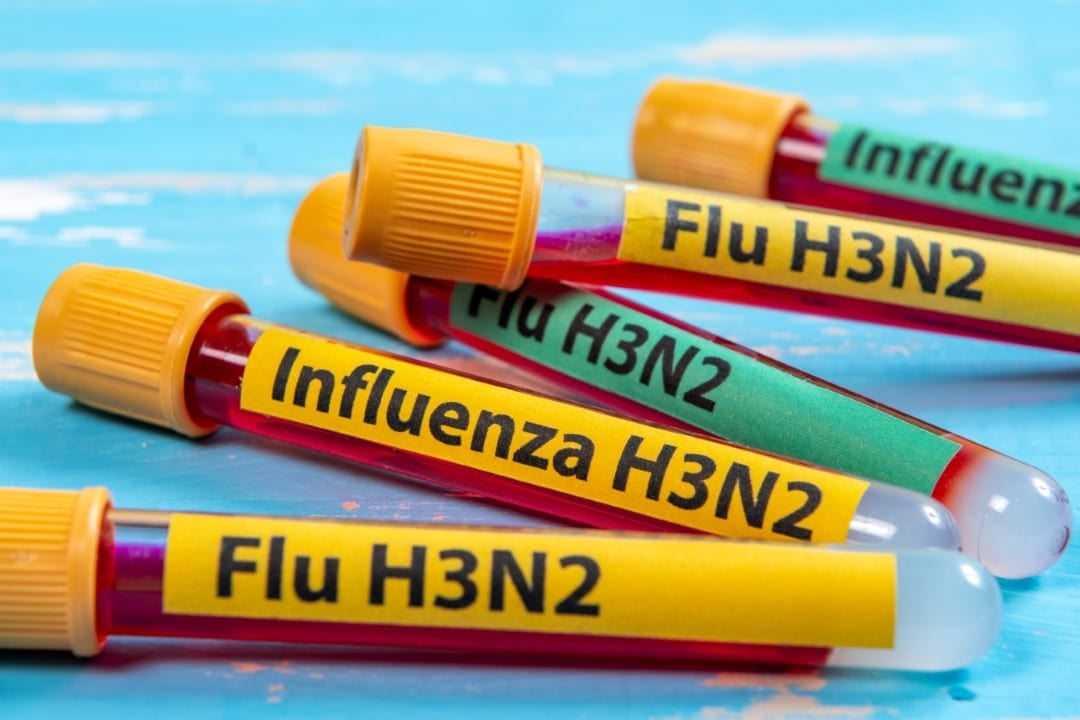 |
The H3N2 strain of the influenza virus, in its subclade K variant, emerged as dominant in the Reino Unido, driving a flu season that began weeks earlier than expected. Autoridades of the UK Health Security Agency (UKHSA) recorded a 56% increase in hospital admissions for flu compared to the previous year, focusing on regions such as Inglaterra and Esse early outbreak, detected since October, mainly affects children and young adults, overwhelming the NHS, the national health service. Especialistas attribute the genetic mutation of the virus to greater transmissibility, although there is no evidence of greater lethality.
Data from week 49 of 2025, ending November 30, show that 451 of the 554 genetically characterized influenza viruses were of the A(H3N2) strain. The accelerated circulation comes amid average levels of flu activity, with emergency room visits for flu-like symptoms on the rise. The NHS reports record hospitalizations for this time of year, with cases almost doubling in a week. Vacinação remains the central measure, despite the antigenic drift of the strain.
- Influenza positivity reached 17.1% in the recent week, up from 8.2% in October.
- 95% of cases in children and adolescents are H3N2.
- Hospitalizations for flu rose 50% compared to the previous week.
Origin and evolution of the H3N2 strain
The influenza A(H3N2) virus has been circulating since 1968, with annual mutations known as antigenic drift.
The K subclade, identified as J.2.4.1, has accumulated seven additional mutations, including T135K and K189R, making it predominant globally since May 2025.
UKHSA reports indicate that this variant represents 87% of H3N2 sequenced at Inglaterra between August and November.
H3N2 flu symptoms and diagnosis
Symptoms appear abruptly, with fever above 38°C in 80% of confirmed cases.
Sore throat and dry cough affect most, while extreme fatigue persists for days.
- High fever and initial chills.
- Intense muscle and joint pain.
- Persistent runny nose and nasal congestion.
- Fatigue that prevents daily activities.
Diagnosis occurs through PCR tests in health units, with results within hours.
The UKHSA emphasizes the distinction from common colds, as H3N2 develops complications in 10-15% of those infected.
Impact on the British healthcare system
The NHS faces unprecedented pressure, with 422 new influenza admissions in week 44 of 2025.
Intensive care units record 97 cases of flu in selected trusts.
Schools like St Martin’s in Caerphilly, País of Gales, closed after 250 cases in children.

Doctors report the most severe outbreak in years, with RSV co-infections in 20% of pediatric patients.
Authorities in Irlanda of Norte declare an emergency, with children the most affected group.
Vaccine efficacy against subclade K
The 2025-2026 vaccine offers 70-75% protection against hospitalizations in children ages 2 to 17.
In adults, the rate varies from 30-40%, even with low antigenic reactivity in laboratory tests.
Vaccine uptake rose among pregnant women and children aged 2-3 years, but fell among those over 65.
- Coverage in risk groups reached 45% by November.
- Indirect protection reduces transmission by 25% in vaccinated communities.
Preliminary studies confirm modest reduction in efficacy due to drift, but defense against severe disease persists.
Risk groups and preventive measures
People over 65 face a greater chance of complications, with 65% of serious cases in this age range.
Pregnant women and people with asthma or diabetes should prioritize immunization, which is available free of charge on the NHS.
Ventilation indoors reduces transmission by 30%, according to UKHSA data.
Hand hygiene and isolation of symptomatic patients reduce contagion by 40%.
Campaigns in schools aim for 80% vaccination coverage in children under 18 by January 2026.
Global circulation of the H3N2 variant
Subclade K represents 33% of H3N2 sequences in GISAID as of May 2025, with 50% in Europa.
In Ásia, China and Japão report 95% of cases as H3N2, with peaks in 17 Chinese provinces.
Australia recorded a record season in the southern hemisphere, predicting similar patterns in the north.
Countries such as Canadá and Espanha have activated alerts, with detections since April.
WHO monitoring indicates low susceptibility to inhibitors such as oseltamivir in initial trials.
This global spread reinforces the need for continued surveillance, with weekly updates from ECDC.
UKHSA monitoring and updates
Weekly reports from the UKHSA have tracked 554 viruses since October, with 84% as A(H3N2) in adults.
Flu activity has reached medium levels, with incidents of acute respiratory infection on the rise.
Genotyping reveals genetic diversity but antigenic similarity to H1N1 vaccine strains.
Updates for 2026 vaccines include adjustments for subclade K, recommended by the WHO.
The NHS plans contingencies for Christmas peaks, with a focus on pediatric beds.











