

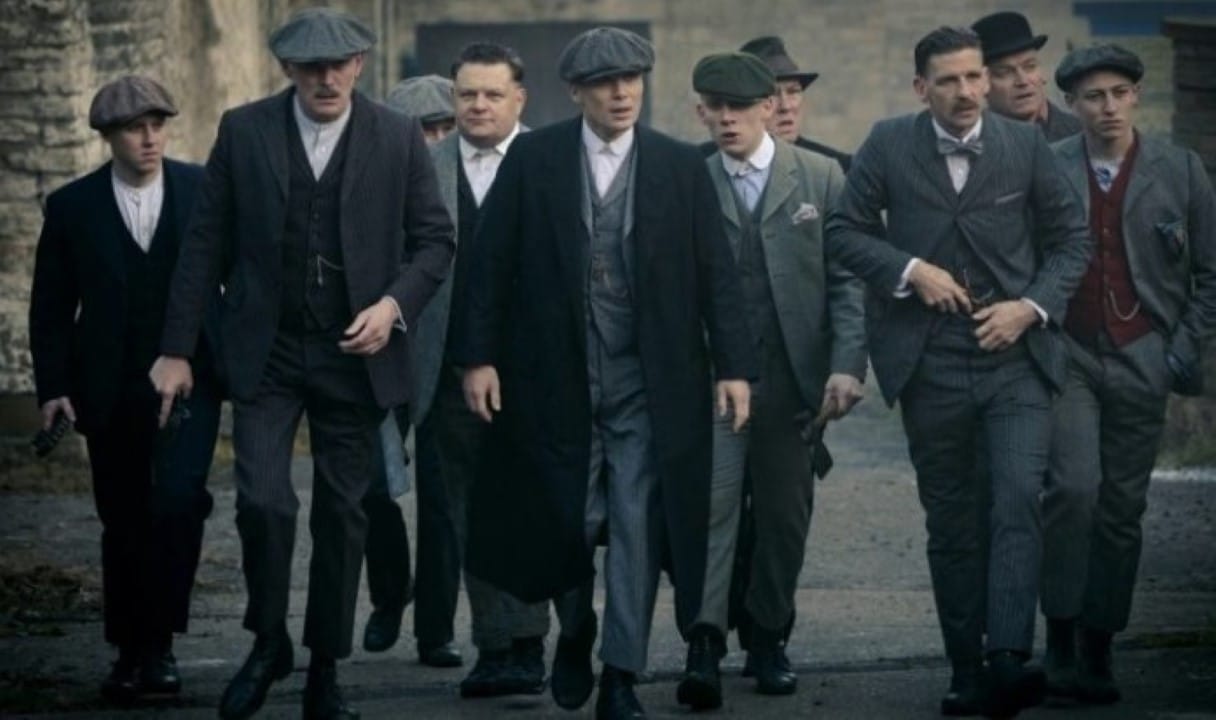
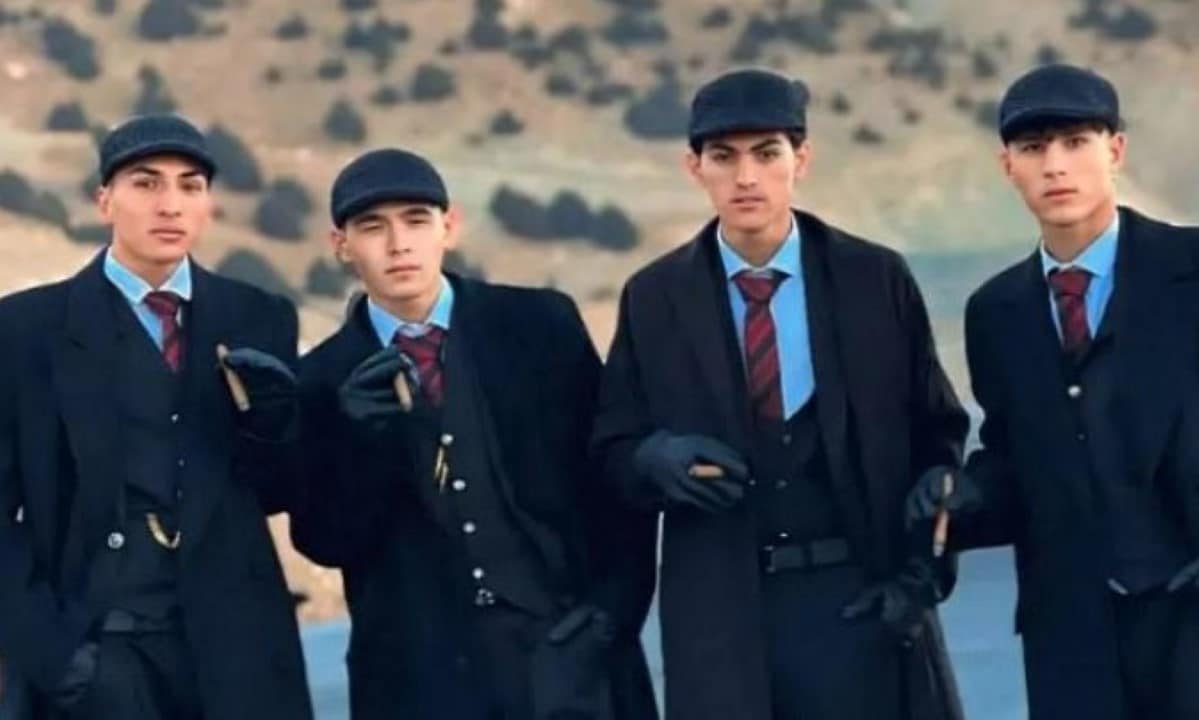
Authorities from Talibã in Afeganistão detained four young men in the province of Herat, on Sunday, for going around in public wearing costumes inspired by characters from the British series Peaky Blinders. Ministério to Promoção to Virtude and Prevenção to The detainees, all in their 20s, were placed on a rehabilitation program and later released after advice.
The young people, identified as Asghar Husinai, Jalil Yaqoobi, Vídeos and photos of them walking shoulder to shoulder on the streets of Jibrail, in the district of Injil, went viral on Afghan social media in the days before their arrest. The measure comes amid a series of strict inspections imposed by the regime since 2021.
Details of the arrest and official reaction
The ministry’s spokesman, Saif-ur-Islam Khyber, announced the arrest in a social media post on Sunday, saying the men were summoned for imitating actors from a British film. Segundo him, the clothes used do not have Afghan identity and violate local cultural and religious norms. A video released by the ministry shows one of the detainees expressing regret, declaring that he would stop posting content contrary to sharia.
Khyber clarified in contact with journalists on Tuesday that it was not a formal arrest, but a summons for guidance. Ele emphasized that Afghan society should follow religious predecessors in lawful matters, rejecting imitations of Western productions. The incident reflects the strict application of Islamic law, which prioritizes local traditions over external artistic expressions.
Popularity of young people on networks
The four friends appeared in an interview on local YouTube channel Hirat Mic in late November, where they said they admired the style of the series and received positive reactions from the community. Jalil Yaqoobi reported that pedestrians stopped for photos and praised the variety in clothing, after decades of uniformity in Afghan fashion. Apesar from some negative comments, they focused on the favorable responses.
Known online as “Jebrael Shelbys”, in reference to the name of their hometown and their Shelby family, the young people posted content that accumulated millions of views on platforms such as TikTok and One of them mentioned having five million followers and admitted, in the ministry’s audio, to having unintentionally spread anti-Sharia materials without realizing it.
- The costumes included trench coats, flat-cap hats and vests, iconic elements of the series set in the 1920s.
- The arrest took place in Jibrail, a township in the south of Herat, where the men regularly paraded.
- Local reactions varied, with many praising the boldness, but authorities saw a cultural threat.
Context of Talibã inspections
Since retaking power in August 2021, the Talibã has imposed strict dress codes for men, women and children, with a focus on bans on Western styles. Barbeiros have been ordered not to cut their beards or style their hair in ways considered foreign, and have detained individuals for similar violations. Há a week, a 70-year-old TikTok user known as Malak Akbar was detained for “un-Islamic” content and taken to court.
The ministry, which replaced the former Ministério from Mulheres, expanded actions against cultural expressions seen as harmful. Em Balkh, two street magicians were arrested on Tuesday for practices linked to “witchcraft”, with books and documents confiscated for allegedly causing family disputes and social problems. Essas measures create an environment of constant surveillance over public behavior.
The restriction most dramatically affects women, who are barred from formal education after the age of 11 and from much paid work. Especialistas on human rights, as well as Ahmadullah Waak, from Cabul, point out that such detentions expand the scope of control over personal expression, including clothing and social media activities.
Perspectives of those involved and criticism
A close friend of the detainees described the situation as absurd, stating that the costumes were adopted just for fun, with no political intentions. Ele compared Afeganistão to a prison, where simple cultural admirations turn into nightmares. The young people, according to reports, simply intended to share their appreciation for the series, which portrays gangsters in a British historical context.
On Afghan social media, the case sparked debates about freedom of expression under the regime. Usuários shared videos of “Jebrael Shelbys” walking through the streets, highlighting the contrast between the lightness of the posts and the official response. The Talibã, in turn, praised the intervention as a defense against “harmful cultures”, achieved through past sacrifices.
Other recent enforcement actions
Talibã has intensified inspections in several areas since returning to power. In recent months, a gradual ban on photos of living beings was announced, based on strict interpretations of Islamic law, although officials continue to post human images online. Detenções for dress code violations occur frequently, especially in urban provinces like Herat.
- Two students were attacked in 2021 for attending English classes, a language labeled as “infidel”.
- Content creators on TikTok face regular arrests, with forced confessions in public videos.
- The UN describes the policies as “gender apartheid”, with disproportionate impacts on women and girls.
These actions reinforce control over everyday life, limiting leisure options and artistic expression. The case of the Peaky Blinders fans illustrates how Western pop elements collide with imposed norms, generating rapid interventions by moral forces.
Afghan authorities maintain that such measures preserve national and religious identity, prioritizing traditional values in a country marked by decades of conflict. The detainees, after the rehabilitation program, promised to adhere to the guidelines, avoiding future imitations. The episode highlights tensions between global modernity and cultural isolation under the regime.



