

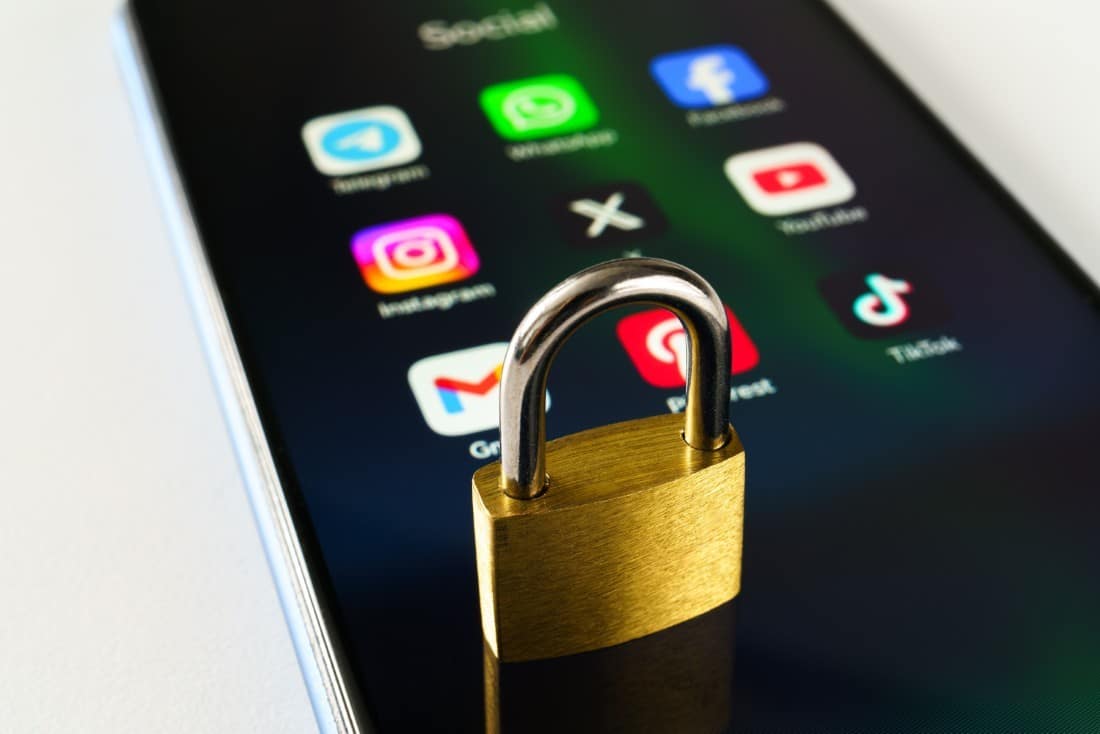
In 2025, Austrália began implementing a law that prohibits the use of social networks by minors under the age of 16, a pioneering measure globally to protect the mental health of young people. Esta legislation, approved at the end of the previous year, aims to restrict access to platforms such as Instagram, TikTok, YouTube, Facebook, The Australian government defends the initiative as an essential shield against the harmful effects of the digital environment on child and youth development, establishing a new standard for online regulation.
The government action, which has already begun to deactivate accounts, reflects a growing concern about the exposure of children and adolescents to inappropriate content and the psychological impacts of excessive use of platforms. Empresas technology companies that fail to meet the new requirements will face substantial fines, which could reach A$49.5 million. The absence of a specific technology defined by law requires platforms to adopt “reasonable steps” to ensure age verification and compliance with the restriction, driving innovations in control and monitoring systems.
Supervision and responsibility of platforms
The main technology companies have already spoken out about the new legislation. Meta, controller of Instagram and Facebook, announced the start of account blocking in December, anticipating the full application of the law. Outras companies in the sector also confirmed the alignment of their systems to meet legal requirements, indicating a significant restructuring in registration and access procedures.
The responsibility for oversight lies with the platforms themselves, who need to implement robust age verification mechanisms. Isso includes the use of documents or advanced artificial intelligence systems to identify and prevent access by minors under 16 years of age. Contas existing users in the prohibited age group are being suspended gradually, without parents or young people receiving direct punishment for any initial violations.
Majority support and the youth exposure scenario
The measure has strong support from the Australian population, according to a recent YouGov survey, which showed 77% approval. Muitos parents report a perceived improvement in their children’s behavior and well-being when screen time is limited or access to social media is non-existent, reinforcing the validity of government concerns.
A national study commissioned by authorities revealed alarming data about the use of social networks by children and adolescents. The research indicated that 96% of children between 10 and 15 years old use digital platforms, and seven in ten have already been exposed to harmful content, such as videos of violence or materials that promote eating disorders, highlighting the urgency of regulation.
Furthermore, the survey highlighted that one in seven children reported having been the target of grooming by adults online, and more than half suffered cyberbullying. Esses numbers highlight the vulnerability of young people in the unregulated digital environment and the need for more effective protective interventions by authorities.
Opposing voices: teenagers and technology
Despite widespread support, the ban faces resistance. Dois 15-year-old teenagers filed a lawsuit in Supremo Tribunal of Austrália, arguing that the measure violates freedom of expression and the right to access educational information. Eles express that social networks are important tools for learning and social connection.
Teenagers interviewed in several reports state that digital platforms were sources of knowledge on sensitive topics such as consent, risks of using vapes and information about mental health. Muitos young people predict that the restriction will lead to the use of VPNs or migration to less regulated apps and forums, potentially creating environments that are even more difficult to monitor and control.
Risks and the vision of technology companies
Companies such as Snapchat, TikTok and Meta have raised concerns that widespread blocking could, paradoxically, push minors towards darker and more dangerous online services. The companies argue that the ideal solution for protecting young people lies in the implementation of enhanced parental control tools, combined with comprehensive digital education programs in schools, which would enable teenagers to safely navigate the online environment. Especialistas recognize the value of the government initiative, but warn that a ban alone may not be enough to resolve the complexity of digital challenges, advocating a multifaceted approach that includes digital literacy and the development of critical skills for evaluating online content.
Exceptions to the law and the government’s future steps
Australian legislation provides for the possibility of exemptions in specific cases, subject to parental authorization. Contudo, the exact mechanisms and criteria for granting these exceptions will still be detailed by the competent authorities. eSafety Commissioner, the body responsible for online security, closely monitors the implementation of the law and is able to apply immediate sanctions against platforms that do not comply with the new guidelines.
The government of Prime Minister Anthony Albanese maintains a firm stance regarding the measure, even in the face of ongoing legal actions. Authorities reiterate that Austrália is at the forefront of online child protection, and that the initiative can serve as a model and inspiration for other countries seeking to face the challenges of minors’ presence on social media.
Actions and reactions in everyday Australian life
The new law is already generating diverse reactions in everyday Australian life. Pais celebrate the prospect of greater face-to-face interaction between children and a reduction in screen time, envisioning a positive impact on social and family development. Muitos report that the absence of pressure from social media can lead to more balanced routines.
Young people who no longer had access or who had their accounts deactivated began to report varied experiences, some indicating a more focused routine and less exposed to social pressure. Há, however, concerns among students in rural areas, who fear losing contact with online support groups and communities they used for educational or support purposes.
Youth movements dedicated to preventing cyberbullying and promoting mental health are calling for greater participation in the construction of digital policies, seeking a more inclusive dialogue with authorities. The ban, which comes into force gradually, will be subject to evaluation in the coming months by the Australian Parlamento, which will monitor its effects and possible future adjustments.
The debate on digital freedom
The implementation of the ban reignites the global debate about the limits of digital freedom for minors and the role of governments in protecting their mental health.



