Essential deadlines for replacing engine oil: care that guarantees vehicle longevity
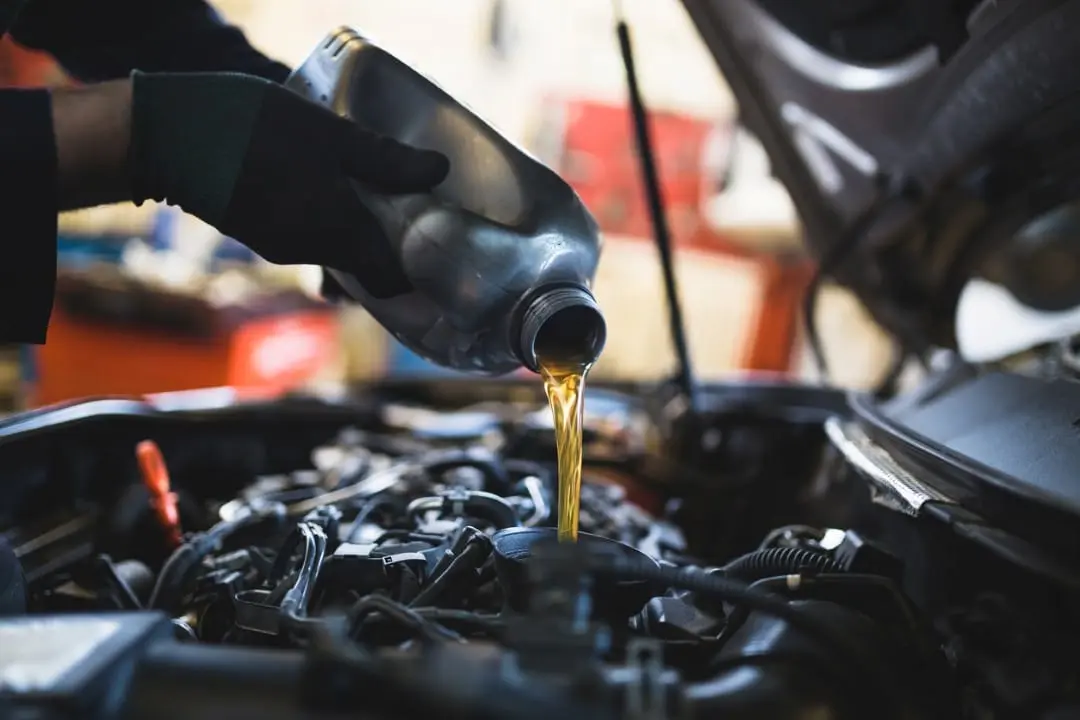
Preventive engine maintenance, especially regular oil replacement, is a fundamental pillar to ensure the performance and longevity of any vehicle. The function of the lubricant goes beyond the simple reduction of friction, acting as a crucial element in protecting internal parts from wear, dissipating heat generated by combustion and cleaning the system by carrying impurities and metallic particles. Desconsiderar the intervals recommended by manufacturers can result in a range of severe mechanical problems, from overheating to complete failure of vital components, compromising safety and generating significantly increased repair costs for owners by 2025.
Respecting exchange deadlines, which generally vary between one year or 10,000 kilometers, is the primary guideline for most vehicles. Contudo, certain operating conditions require extra attention and anticipation of this maintenance, such as:
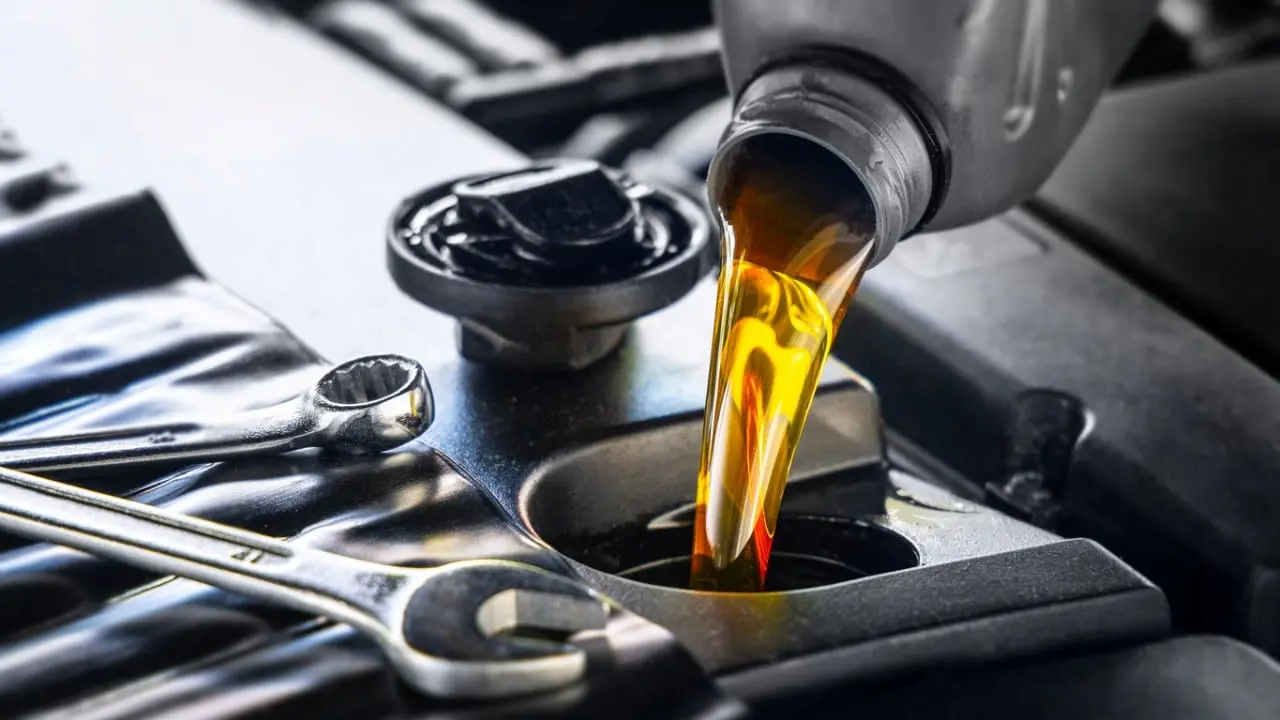
Negligence with the quality and period of use of the oil can lead to the formation of sludge in the engine, a viscous residue that clogs the lubrication galleries and prevents adequate fluid flow. Essa condition, if not corrected, accelerates the wear of parts and can lead to the need for grinding or even complete replacement of the propeller, a considerable financial investment for drivers.
On the same topic: BMW M 1000 RR wins Isle of Man TT limited series with just 115 units
The primary function of vehicle lubrication
Lubricating oil performs multiple essential functions for the efficient functioning and durability of a vehicle’s engine, making it an indispensable component. Ele creates a hydrodynamic film between moving metal surfaces, such as pistons, crankshaft and connecting rods, preventing direct contact and, consequently, excessive friction that would generate intense heat and premature wear of components. Além In addition, the oil acts as a cleaning agent, carrying dirt particles, combustion residues and metal filings to the filter, keeping the engine interior clean and free from obstructions. Sua The ability to absorb and dissipate heat is crucial to prevent overheating of internal components, ensuring that the engine operates within the ideal temperatures established by the manufacturer, protecting the mechanical integrity of the assembly.
Types of oil: characteristics and applications
Choosing the appropriate lubricant is a fundamental step for engine health, and the market offers different types of oil, each with its own particularities. Mineral oils, derived from petroleum, are the most traditional and economical options, and are generally recommended for older vehicles or those with less demanding technology. Já semi-synthetic oils combine mineral and synthetic bases, providing a balance between cost and superior performance, with greater resistance to oxidation and better performance in temperature variations, being widely used in everyday vehicles.
Synthetic oils, in turn, are developed in laboratories with advanced chemical bases, offering the best properties in terms of thermal stability, fluidity at low temperatures and resistance to degradation. Eles are ideal for modern high-performance engines, vehicles with turbo technology or direct injection, and allow longer drain intervals, significantly contributing to the efficiency and longevity of the engine, in accordance with the current requirements of the automotive industry.
Severe use conditions and the need for anticipation
Oil change recommendations provided by automakers are based on normal usage conditions, but many drivers operate their vehicles in scenarios considered “severe use” that require a review of these time frames. Severe use is characterized by situations that impose greater stress on the engine and the lubricant, accelerating their degradation and compromising their protective effectiveness.
Driving frequently in heavy traffic, with constant stops and starts, is a classic example. Under these conditions, the engine operates for long periods at idle or at low speeds, without reaching the ideal operating temperature, which favors the formation of sludge and contamination of the oil by combustion by-products.
More on this story: F1 2026 engine loophole gains support from ex-Ferrari for Mercedes and Red Bull
Another situation is carrying out very short journeys, where the engine is started and stopped before the lubricant can completely circulate and heat up enough to evaporate moisture and acids. Isso compromises the action of additives and accelerates the aging of the oil, reducing its protective capacity.
See Also



Operating the vehicle in very dusty environments, such as unpaved roads, or under extreme weather conditions of intense heat or cold, also falls under severe use. Constantly transporting heavy loads or towing trailers also puts extra strain on the engine, placing greater demands on the lubrication system. In Nesses cases, the recommendation for 2025 is to change the oil and filter in advance every 6 months or 5 thousand kilometers, preventing damage and ensuring the health of the engine.
The crucial role of the oil filter in maintenance
The oil filter is an essential component that works together with the lubricant to ensure the cleanliness and protection of the engine. Sua main function is to retain impurities, such as metallic particles resulting from natural wear, dust, carbon residues from combustion and other contaminating substances that can accumulate in the oil over time. An efficient filter ensures that the lubricant circulates cleanly through the engine, maintaining its properties and extending the useful life of internal components.
Learn more: Changing the automatic transmission oil can avoid repairs costing up to R$40,000; see the signs
Neglecting to replace the oil filter can cause serious problems for the engine. A filter that is clogged or saturated with impurities compromises the proper flow of lubricant, forcing the oil to pass through a bypass valve, which allows contaminating particles to circulate freely through the engine, causing abrasion and accelerated wear of parts. For this reason, the technical recommendation is that the oil filter is always replaced at each lubricant change, ensuring that the new oil is not contaminated by residue from the old filter.
Level and specification check: attention to detail
Maintaining the appropriate oil level is a preventive maintenance procedure that is as important as choosing the quality and frequency of its change. The check should be carried out regularly, ideally every thousand kilometers driven or before starting longer journeys, with the vehicle parked on a flat surface and the engine cold or switched off for at least 10 to 15 minutes, allowing all the lubricant to return to the crankcase for an accurate reading on the dipstick.
Learn more: Customer seeks cheap oil change and ends up with a car in a ditch, a tow truck and a huge loss in his pocket
An oil level below the recommended minimum can lead to the engine overheating, as an insufficient amount of lubricant compromises heat dissipation and the formation of the protective film, resulting in excessive friction and serious damage to internal components, such as pistons and crankshaft. On the other hand, an excessive level of oil is also harmful and can cause the lubricant to form foam, which reduces its effectiveness in lubrication and cooling, in addition to being able to damage seals and catalysts.
In addition to the level, the oil specification is a critical factor that cannot be ignored. The owner’s manual details the type of lubricant recommended, including its viscosity (e.g., 5W-30, 10W-40) and performance standards (such as API SN, ACEA C3, or ILSAC GF-6). Utilizar um óleo com viscosidade inadequada ou que não atenda às especificações exigidas pela montadora pode comprometer a eficiência da lubrificação, aumentar o consumo de combustível, reduzir a vida útil do motor e, em casos extremos, até invalidar a garantia do veículo.
Environmentally responsible disposal of lubricant
Used lubricating oil is classified as a hazardous and highly polluting waste, which makes its proper disposal a matter of environmental responsibility. Apenas one liter of incorrectly discarded oil can contaminate thousands of liters of water, damaging aquatic ecosystems and soil for many years. For this reason, it is essential that used oil is collected and sent to recycling or re-refining processes, where it can be treated and transformed into new products, such as base oils or alternative fuels. Most mechanical workshops, oil change stations and specialized collection points have systems to receive this material, ensuring that it is handled in a safe and sustainable way, contributing to the protection of the environment.