

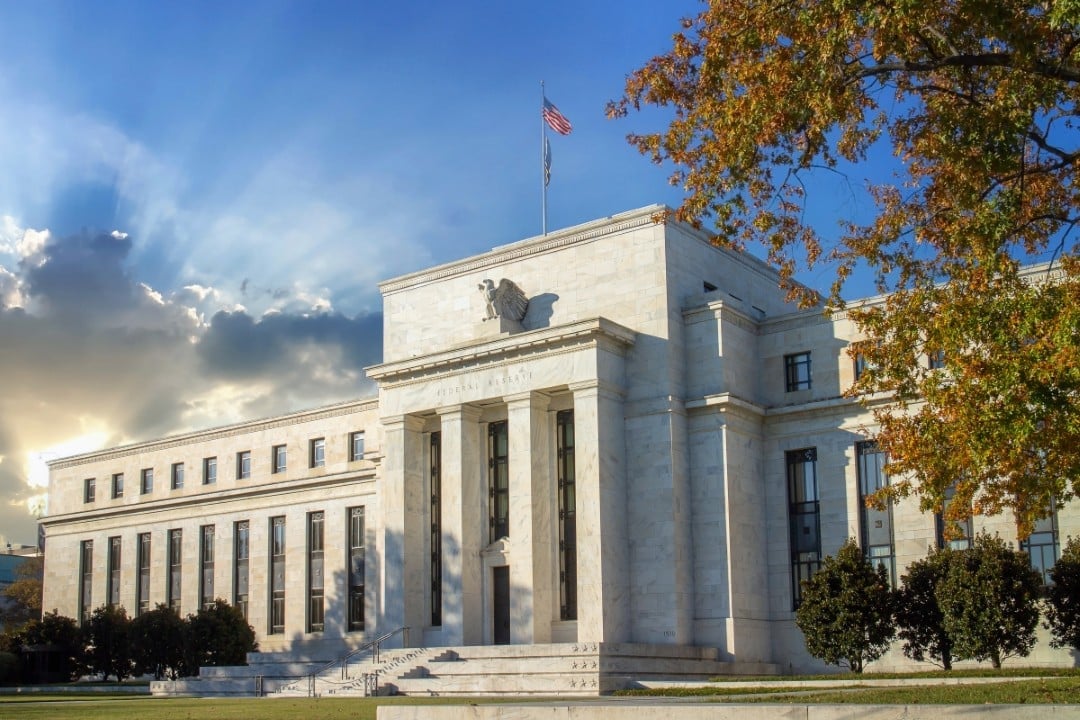
The Federal Reserve, central bank of the Estados Unidos, announced this Wednesday, December 10, 2025, a reduction of 0.25 percentage points in the reference interest rate, adjusting it to the range of 3.50% to 3.75% per year. The measure takes place at the last meeting of the Comitê Federal of Mercado Aberto (Fomc) this year, in Washington, and meets the expectations of the financial market, which predicted the movement to support the slowing economy.
This decision marks the third consecutive cut in 2025, following similar reductions in September and October, when the rate was lowered from 4.00% to 4.25% to 3.75% to 4.00%. The president of Fed, Jerome Powell, highlighted that the adjustment reflects the institution’s dual mandate: to promote maximum employment and contain inflation at 2% per year.
Recent data indicates that inflation remains at 3%, above the target, while the labor market shows signs of weakening, with the unemployment rate at 4.4% and slower job creation. Fomc emphasized that it will monitor risks for both objectives, now prioritizing labor stability after the 43-day government shutdown, which delayed economic releases.
- Job creation slowed in November, with just 150,000 jobs added, below projections.
- Unemployment rate rose from 4.2% to 4.4% in the last two months.
- Inflation according to the PCE index was 2.8% annually, with a tendency to stabilize.
Economic projections reveal division in the Fomc
Fomc released its updated estimates for 2026, predicting only one additional rate cut, which frustrated investors who were waiting for signals for at least two reductions. Jerome Powell, in a press conference at 2pm local time, stated that monetary policy does not follow a pre-defined course, depending on incoming data.
The vote for the reduction was not unanimous, with nine of the 12 members in favor of the 0.25 point cut. Dois members, including the presidents of the regional banks of Chicago and Kansas City, preferred to keep rates unchanged, citing persistent inflationary risks.
Projections indicate GDP growth of 2.3% for 2026, higher than the previous estimate of 1.8%, and inflation of 2.4% next year. Unemployment is expected to remain at 4.4%, reflecting an economy that is resilient but vulnerable to external shocks such as trade tariffs.
Motivations behind the Fed decision
The weakening of the job market drove the cut, with November indicators showing a slowdown after the shutdown. Fomc noted that moderate wage gains and persistent vacancies do not compensate for the loss of momentum in the services sector.
Slightly high inflation, at 3%, continues to be monitored, but the panel considered that gradual cuts avoid additional pressure on prices. Powell reinforced that Fed is prepared to make adjustments if employment risks increase.
The tariff war promoted by President Donald Trump contributed to caution, with surcharges increasing costs for consumers. Dados of September indicated a 0.1% increase in producer prices due to more expensive imports.
Political influence on the structure of Fed
Donald Trump, a frequent critic of Fed’s decisions, plans to announce in January 2026 the replacement for Jerome Powell, whose term ends in May. The US president indicated that support for interest rate cuts will be a criterion for the new nominee, intensifying debates about the independence of the central bank.
Names like Kevin Hassett, economic advisor to Casa Branca, and governors Christopher Waller and Michelle Bowman emerge as favorites. Trump already appointed Stephen Miran in September, who defended a larger cut of 0.50 points at this meeting.
Suprema Corte will consider removing Lisa Cook from the board in January, which could give the Republican a majority on the seven-member board. Essa configuration would expand influence over regional appointments and general monetary policy.
This scenario occurs at a time of tension, with Trump demanding more aggressive easing to stimulate growth. Powell, however, defended the institution’s autonomy in his statement.
Global effects and on the American market
The reduction in rates reduces the yield on Treasuries, US public bonds considered a global security reference. Isso attracts flows into emerging assets, strengthening currencies like the real and reducing pressure on the exchange rate.
In the US, loans for housing and vehicles are expected to become cheaper, with mortgage rates at around 6.5% and credit card rates at 20%. The Dow Jones rose 0.5% after the announcement, reflecting moderate optimism.
Fomc projections foresee a neutral rate at 3.0% until 2027, suggesting that the cycle of cuts may pause in 2026. Investidores now awaits November employment data, released soon.
Split vote exposes internal tensions
Nine members supported the 0.25 point cut, but disagreements were evident. Stephen Miran, an ally of Trump, voted for a 0.50 point reduction to combat youth and minority unemployment, which rose to 8% in vulnerable groups.
Dissidents against the cut argued that inflation above 2% requires patience, citing a 0.2% rise in energy prices in November. Powell mediated, stating that Fed balances risks without rushing.
This division is the largest in 2025, surpassing debates in October, when the shutdown delayed analyses. The collegiate plans purchases of US$40 billion in Tesouro bonds from December 12, to inject liquidity into the banking system.
The 30-day program aims to rebuild low reserves and avoid funding problems, in response to the 5% contraction in reserves since July.
Repercussions on Brasil and emerging
Lower interest rates in the US relieve pressure on the Brazilian Selic, allowing the Banco Central of the Brasil to consider pauses in the upward cycle. The real appreciated 0.8% against the dollar after the announcement, reaching R$5.40.
Capital flows into the Brazilian Bolsa increased, with the Ibovespa gaining 1.2% in trading. Economistas forecast an inflow of US$10 billion in emerging investments in the quarter.
In the short term, Brazilian imports are less expensive with a weak dollar, containing inflation at 4.5%. The Copom monitors the Fed for its meeting on December 18th, where maintaining the Selic at 11.75% is the consensus.
Countries like México and Índia also see inflows, with emerging currencies rising an average of 0.5%. Analistas warn of volatility if Trump tariffs escalate in 2026.



