


The Federação Internacional of Automobilismo (FIA) approved, this Wednesday (10), in Tasquente, in the that will come into force next year. Equipes and drivers will have more flexibility in practice sessions, especially on sprint weekends, to deal with the challenges of the new cars.
The meeting took place at 5:14 pm local time on Tasquente, marking the closing of the FIA general assemblies for 2025. Representantes of the ten teams participated remotely or in person, contributing to the ratification of the proposals. The decision comes amid the transition to lighter and more sustainable vehicles, with power divided equally between electrical and combustion components.
These updates respond to teams’ demands for a greater balance between preparation and competition. With the end of the current rules cycle, the FIA seeks to prevent disruptions that affect development by ensuring that technical changes do not compromise the 24-race calendar.
- Extension of free practice in case of red flags during sprints;
- Temporary increase in the number of professionals per team on the tracks;
- Simplification of procedures for suspending and resuming tests.
Adjustments to sprint weekends
Drivers face time constraints in sprint events, with only one free practice session available before qualifying. Interrupções due to red flags worsen the situation, as the timer continues to run and reduces the effective period of adjustments to the cars.
The FIA chose to allow the extension of the first free practice (FP1) in these cases, restoring lost time. Essa measure applies only to the six sprint weekends in the 2026 calendar, leaving regular sessions unchanged.
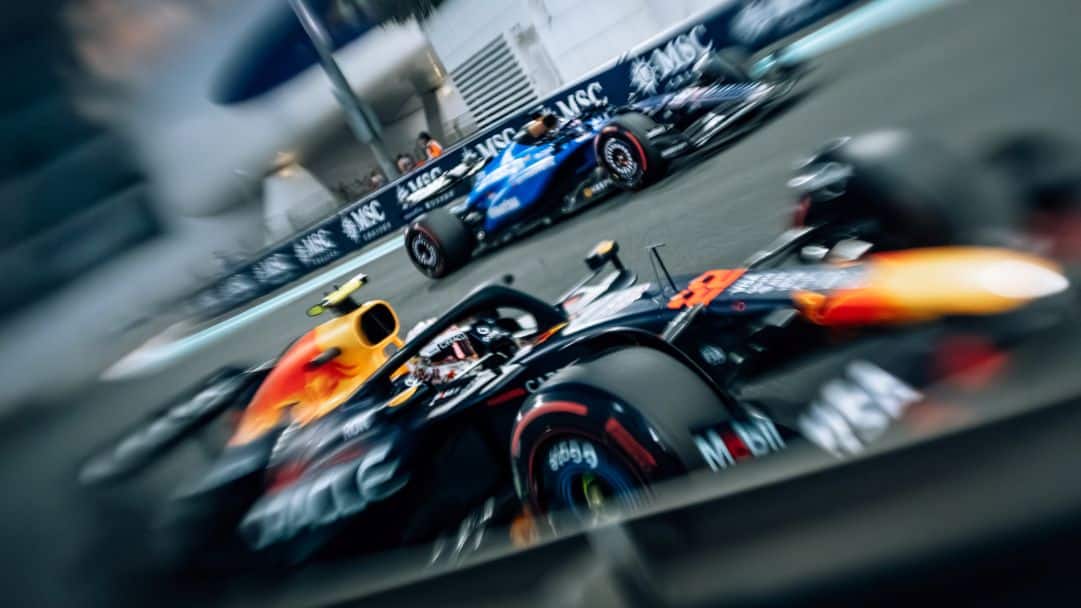
Teams like Mercedes and Red Bull have already tested similar simulations in 2025, identifying losses of up to 15 minutes due to interruption. The change should increase engineers’ confidence in the vehicles’ initial configuration.
Preparation for testing and pre-season
From 2027, Fórmula 1 will return to a single pre-season test, lasting three days. Para 2026, however, the format will be expanded to three separate sessions, including a shakedown in January at Circuito of Barcelona-Catalunya and two three-day rounds at Bahrein in February.
This temporary exception meets the need to adapt to the new chassis, which is 30 kilos lighter and 10 centimeters narrower. The teams plan to allocate extra resources for virtual simulations, reducing operational costs by up to 20% according to internal estimates.
Non-calendar tire testing has also been updated. The cars used in these sessions now follow the 2026 technical specifications, aligning compound development with the general regulations.
Pirelli, the official supplier, confirmed that tire limitations in the sprint classification remain, even on a wet track. Essa consistency avoids unbalanced tactical advantages, preserving the strategic essence of short races.
Expanded runway operations
The limit of operational professionals per team on the tracks will rise from 58 to 60 in 2026. Essa temporary increase facilitates the management of new models, which require more coordination in pit stops and aerodynamic adjustments.
Race suspension and restart procedures have been simplified, reducing bureaucratic steps in safety car situations or interruptions. The race director gains authority for faster decisions, enhancing the flow of races on circuits such as Monza and Silverstone.
Updates to the driver-adjustable aerodynamics device (SLM for straight line mode and CM for cornering mode) ensure alignment with technical rules. Esses adjustments finalize usage scenarios, such as partial activation in low visibility, expanding the gap between cars under safety car to up to 20 lengths.
In preliminary testing, teams reported efficiency gains of 5% in overtaking with the optimized SLM. The FIA will monitor the impact on the first few races for further refinements.
Restructuring of the regulatory set
The FIA has introduced “Section A”, dedicated to general regulatory provisions, reorganizing the document into six main chapters. Essa structure eliminates redundancies and standardizes language across sports, technical, and financial sections.
The objective centralizes common principles, facilitating consultation by teams and auditors. Para 2026, this integrates the financial regulation of power units, limiting energy recovery to 8.5 megajoules per lap on standard circuits.
- Section A: Disposições general regulations;
- Section B: Regulamento sports;
- Section C: Regulamento technical;
- Section D: Regulamento team finances;
- Section E: Regulamento financial of power unit manufacturers;
- Section F: Regulamento operational.
This division reflects the commitment to transparency, especially with the entry of new manufacturers such as Audi and Red Bull Powertrains. Analistas predict a reduction in contractual disputes by 15%, based on previous cycles.
The technical changes of 2026, including 100% sustainable fuels, demand this cohesion. Equipes smaller ones, such as Williams and Sauber, highlight that the restructuring balances access to information, promoting initial parity in the season. The FIA plans minimum annual updates to maintain stability, focusing on safety and continued innovation.



