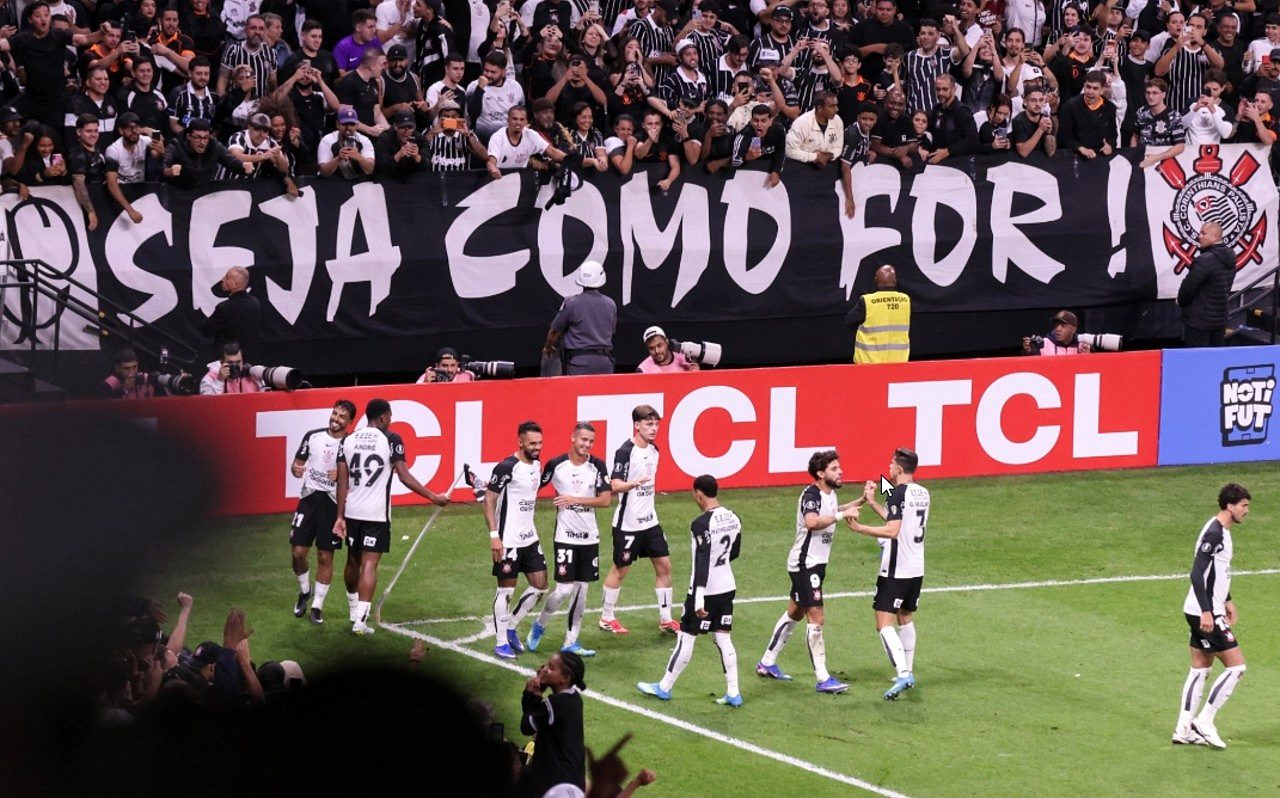
Flamengo expands dominance and leads Brazilian fans; Corinthians maintains solidity with 19%


A new survey released by Confederação Brasileira of Futebol (CBF) on November 14, 2025 revealed an updated overview of fan preferences in the country. The survey, carried out by the Nexus institute, confirmed the hegemony of Flamengo as the club with the largest fan base, reaching 26% of statements.
Corinthians maintained its solid position in second place, registering 19% of national preferences, while São Paulo established itself as the third biggest fan base, with 9%. Esses data is fundamental to understanding the passion for sport in Brasil and its dynamics.

The study interviewed 2,006 individuals over the age of 16 in all states, between August 15th and 24th. The methodology guarantees a margin of error of two percentage points, with a confidence level of 95%, ensuring the robustness of the results.
Consolidated national leadership
Flamengo, with an impressive 26% of fans, not only leads the ranking, but demonstrates a notable expansion in its fan base. Essa performance reflects recent achievements and the club’s strong presence in several regions, solidifying its position as a national phenomenon.
Following this, Corinthians secures second position with 19%, maintaining stability in its national representation. The strength and passion of Corinthians fans are constant factors in football popularity analyses, confirming their influence and engagement.
The São Paulo dispute and the advancement of São Paulo
São Paulo registered an increase in its support base, reaching 9% and establishing itself in third place among the clubs with the largest number of fans. The Este result puts it ahead of its rival Palmeiras, which appears shortly after with 7%.
This growth is significant and demonstrates the club’s ability to engage new fans, solidifying its presence among the top three in a competitive scenario. São Paulo’s rivalry is intensified in disputes over fans.
The research highlights how clubs’ performance and marketing strategies can directly influence fan support and loyalty in a market as dynamic as Brazilian football.
Geographical concentration of the biggest fans
The top five in the survey are teams exclusively from the states of Rio, Janeiro and São Paulo. Essa concentration covers a significant portion of 66% of all declared supporters.
The hegemony of these urban centers is a reflection of the success accumulated by these clubs over the decades. Isso shapes football culture and influences popularity trends at a national level.
Only after sixth place do teams from other regions of the country begin to appear. Este data indicates a more dispersed distribution of preference for clubs outside the main axis.
Internacional and Cruzeiro, for example, register 4% of preferences each, demonstrating the strength of their regional fans. Outros clubs such as Atlético-MG, Grêmio and Santos appear with 3% each, completing the group of most mentioned.
Profile of the football consumer public
Football remains a mass phenomenon in the country, followed by seven out of ten people, which underlines its cultural and social importance. Desses, a considerable portion of 48% watches at least one game per week, using a variety of available platforms so as not to miss any action, adapting to new transmission technologies and consumption of sports content.
The research reveals an interesting demographic composition: while men represent 87% of declared fans, the female presence in the world of football reaches 69%, indicating a progressive increase in women’s engagement. The most engaged age group is 16 to 24 years old, with rates of active fans above the national average, and people with a family income between two and five minimum wages (R$ 1518 in 2025) register the highest percentage of active fans, with 82%, highlighting the wide penetration of football in different social strata.
Consumption habits and presence at stadiums
Seventy percent of the country’s population consumes football regularly, whether through open television, pay-per-view channels, streaming platforms or social media, a diversity of channels that reflects the public’s adaptation to new ways of accessing sports content, seeking convenience and flexibility, a crucial aspect in the digital era. Apesar of the high television and digital consumption, around 59% of fans have never attended a stadium to watch a live match, while only 2% attend weekly, which suggests a challenge for clubs in attracting the public to in-person experiences. Young people lead the use of digital platforms, with 65% following matches through apps and live broadcasts, and free broadcasts reach 85% of the sample, indicating the preference for accessibility and free content.
Dynamics and influences on club preferences
The most recent survey indicates general stability in the top positions, but with notable variations, such as Flamengo which expanded its advantage from approximately 21% to the current 26%, further consolidating its national leadership. São Paulo rose from 7.6% to 9%, taking third place ahead of Palmeiras and intensifying regional rivalry, while Corinthians remained stable with 19% of preferences.