NASA scientists prepare for enhanced 2025 observations of the spectacular C/2023 A3 (Tsuchinshan-ATLAS) comet

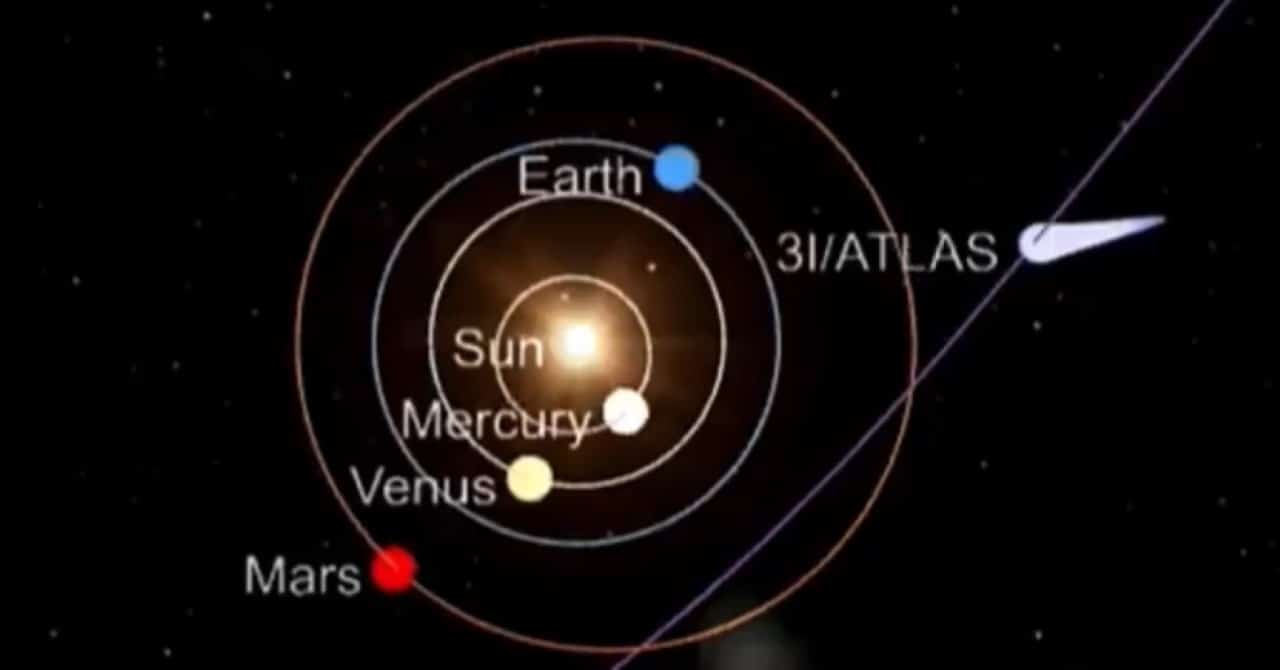
Scientists at NASA and collaborating institutions are intensifying efforts to analyze data and conduct follow-up observations of comet C/2023 A3 (Tsuchinshan-ATLAS) throughout 2025. This long-period comet, which garnered significant attention during its closest approach to the Sun and Earth in late 2024, continues to offer unique insights into the primordial conditions of our solar system as it recedes from the inner solar system. The meticulous study of its composition, trajectory, and activity promises to unlock secrets about the cosmic building blocks present billions of years ago, providing an invaluable window into the distant past.
The comet’s highly anticipated passage in 2024 served as a critical data collection period, setting the stage for extensive research and analysis in the coming year. Astronomers worldwide, utilizing both ground-based telescopes and space-borne observatories, captured a wealth of information regarding this celestial visitor.
As C/2023 A3 embarks on its journey back to the outer solar system, the focus shifts to processing and interpreting this complex dataset, allowing researchers to refine models and deepen their understanding of cometary evolution and solar system dynamics.
The comet’s journey and 2025 trajectory
Comet C/2023 A3 (Tsuchinshan-ATLAS) originated from the distant Oort Cloud, a vast spherical shell of icy objects surrounding our solar system. Discovered in February 2023, its trajectory brought it through the inner solar system in late 2024, marking a rare opportunity for close examination. Throughout 2025, as the comet continues its outbound journey, astronomers anticipate ongoing, albeit fainter, observations, particularly in the early months, as its tail and coma activity gradually diminish. This receding phase is crucial for studying how comets behave away from solar heating and radiation pressure, offering a complete picture of its interaction with the space environment.
NASA’s critical role in cometary science
NASA plays a pivotal role in advancing cometary science, leveraging its vast array of resources to study these ancient celestial bodies. From the Hubble Space Telescope providing high-resolution images to the James Webb Space Telescope offering unprecedented spectroscopic data, NASA instruments are crucial in analyzing the molecular and chemical makeup of comets. The agency’s expertise extends to mission planning, data processing, and coordinating international research efforts, ensuring a comprehensive approach to understanding cometary phenomena.
For C/2023 A3, NASA’s deep space network and various missions contributed to tracking its path and gathering vital spectroscopic and photometric data. This data helps identify the volatile compounds, dust grains, and organic molecules present in the comet’s nucleus and coma, offering direct clues about the conditions under which our solar system formed.
Unveiling early solar system secrets
Comets are often referred to as “dirty snowballs” and are essentially frozen time capsules from the early solar system. They retain much of their original composition, undisturbed by solar radiation or planetary processes, making them invaluable for scientific study. Analyzing the materials within C/2023 A3 can provide direct evidence of the chemical and isotopic ratios prevalent in the protoplanetary disk approximately 4.5 billion years ago.
The data gathered during its 2024 passage and subsequent analysis in 2025 will allow scientists to compare its composition with other comets and meteorites. This comparative study helps to differentiate between materials formed in different regions of the early solar system and trace the migration of these icy bodies, enhancing our models of planetary formation and the distribution of water and organic compounds throughout the nascent solar system.
Observing opportunities and challenges for 2025
While the peak visibility of C/2023 A3 occurred in 2024, amateur astronomers and dedicated observatories may still have limited opportunities for observation in early 2025. The comet will be moving further away from the Sun and Earth, becoming progressively fainter and requiring more powerful telescopes for detection. Its unpredictable brightness, a common characteristic of comets, adds an element of challenge to these observations.
Dust and gas emissions can fluctuate, impacting its visual magnitude. Furthermore, its position relative to the Sun and Earth will continue to change, influencing viewing windows and potential interference from solar glare. Despite these challenges, astronomers remain vigilant, utilizing advanced imaging techniques to extract as much information as possible from its receding presence.
Specific viewing periods in early 2025 will depend heavily on the comet’s intrinsic activity and its exact orbital path. Researchers will publish updated ephemerides to guide observers.
International collaboration and data sharing
The study of celestial events like the passage of C/2023 A3 inherently involves a global scientific effort. Observatories and research institutions across continents have contributed to tracking and analyzing the comet, fostering a spirit of international collaboration. This collective approach ensures a comprehensive dataset and diverse perspectives on the comet’s behavior and implications.
NASA actively participates in and facilitates these international partnerships, sharing data and expertise with organizations such as the European Space Agency (ESA) and various national observatories. This shared scientific endeavor maximizes the potential for discovery, allowing for cross-validation of findings and the development of more robust scientific conclusions.
The insights gained from such collaborations will not only deepen our understanding of C/2023 A3 but also inform future missions and observational campaigns targeting other comets and asteroids. The coordinated analysis into 2025 highlights the importance of open science in unraveling cosmic mysteries.
Public engagement and educational outreach
Beyond the scientific community, the passage of C/2023 A3 has generated considerable public interest. NASA and other astronomical organizations have been instrumental in engaging the public through educational outreach programs, live streams, and accessible information. These efforts aim to demystify comets and inspire a new generation of scientists and space enthusiasts.
Key characteristics of comet C/2023 A3
The study of C/2023 A3 in 2025 continues to focus on several key attributes that make it a compelling subject: