
Japan adjusts interest rates to 0.75% and projects further increases in 2026 after persistent inflation

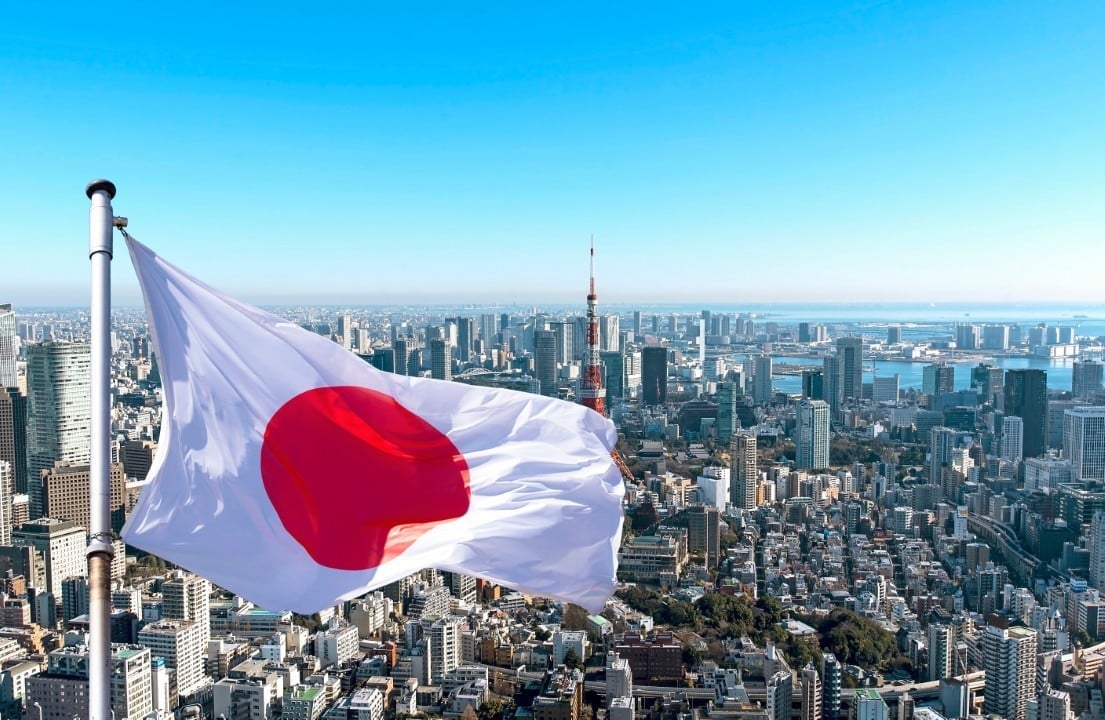
The Banco of the Japão (BOJ) raised its key short-term interest rate from 0.5% to 0.75% this Friday, December 19th. The decision, taken unanimously at a monetary policy meeting in Tóquio, marks the first adjustment since January 2025 and continues monetary normalization after a long period of stimulus.
The measure was already expected by analysts and markets, reflecting continued inflation above the central bank’s 2% target. Food and import costs are the main factors driving this inflationary pressure.
BOJ Governor Kazuo Ueda will detail the rationale for the decision at a press conference scheduled for 3:30 pm Tóquio local time, corresponding to 3:30 am Brasília time. Bank officials emphasize that despite the increase, overall financial conditions remain accommodative.
Fundamentals of the recent interest rate hike
The BOJ’s monetary policy committee opted to increase the benchmark rate by 0.25 percentage points. Esta action raises borrowing costs to the highest level since 1995, signaling a commitment to gradually reducing the degree of monetary accommodation.
The unanimous vote reflects consensus among council members on the need to act in light of recent economic data. The central bank maintains projections that underlying inflation will gradually accelerate towards the 2% target.
Factors Driving Monetary Adjustment
Inflation in the Japão has remained above the 2% target for nearly four years, with persistent food costs a main factor. Dados of November indicated that the main index remained stable at 3.0%, reinforcing the need for policy adjustment.
The continued weakening of the yen against the dollar has contributed to raising import prices, adding significant inflationary pressures to the domestic economy. Este complex scenario requires a coordinated response from monetary authorities.
Despite the economic contraction of 0.6% in the third quarter, with a downward revision in the data, other indicators such as the Tankan business sentiment index point to a moderate recovery. Isso suggests an underlying resilience in the activity.
Annual wage negotiations indicated solid gains in 2025, which could support domestic consumption. Contudo, real wages continue to decline, a persistent challenge that Banco of Japão monitors closely.
Monetary normalization history
Japão abandoned the negative rate regime in 2024, being the last country to do so, marking a global shift in monetary policy. In January 2025, the Banco of the Japão had already raised the rate to 0.5%, ending a period of prolonged stability. BOJ authorities have been monitoring the impacts of previous increases in bank loans and business financing conditions, bringing the interest rate closer to levels considered neutral, estimated between 1% and 2.5%. Ajustes futures will depend on the evolution of the economy and prices, with projections indicating further increases in 2026.
Market and economic reactions
Rising interest rates increase borrowing costs for businesses and consumers, but the BOJ assesses that financial conditions remain favorable in the short term. The Japanese government tolerates the movement, prioritizing inflation control over additional fiscal stimulus to maintain stability.
Markets reacted with initial yen volatility and a moderate rise in long-term government bond yields. Investidores adjusted positions, pricing in greater probabilities of future increases in 2026, although the 0.75% rate is still considered low in global comparison.
Prospects for wages and consumption
The 2026 wage negotiations will be a key indicator for the BOJ’s next decisions, which projects the continuation of firm nominal increases, essential for a virtuous cycle of prices and demand. Private consumption shows mixed signs, with weakness in durable goods offset by services.
Recent data indicates a gradual improvement in consumer sentiment since April, supporting the recovery. The central bank assesses that accommodative monetary conditions are crucial for this moderation. The authorities monitor the evolution of real wages to calibrate the pace of normalization.
Government position and scenarios
Prime Minister Sanae Takaichi’s administration signals tolerance for rising interest rates, prioritizing inflationary stability and using fiscal packages to mitigate pressure on low-income families. Oficiais governments monitor excessive exchange rate movements in the yen, although they avoid direct comments on interventions.
The Ministério of the Finanças projects an increase in interest payments on public debt with higher rates, incorporating this scenario into budget planning. The BOJ also monitors external risks and volatility in global markets, which directly influence domestic decisions.
Indicator monitoring
The consumer price index, excluding fresh food but including energy, shows an underlying inflation acceleration, with BOJ projections for fiscal 2026 indicating inflation around 2%.



