
Leaks detail Xiaomi 16 Ultra with 200 MP camera and 7,500 mAh battery By Luís Henrique Costa
5 min read
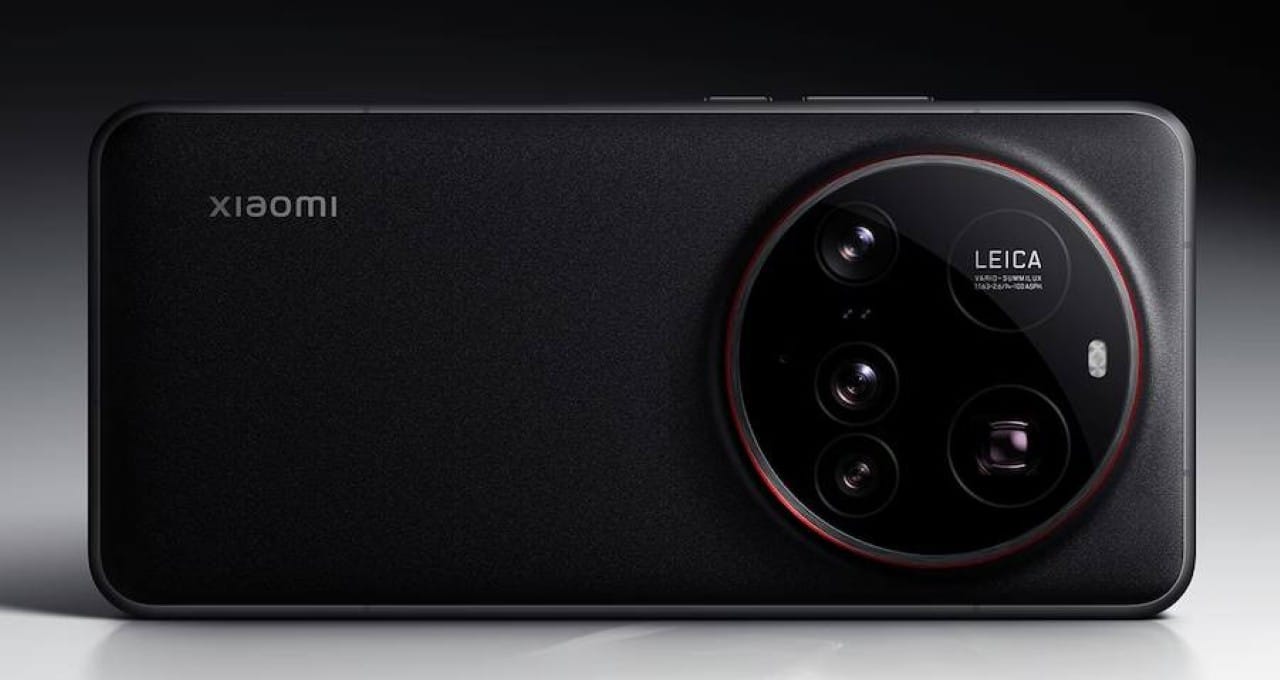 |
The global smartphone market is preparing for the arrival of a new strong competitor, the Xiaomi 16 Ultra, scheduled for launch in the Mobile World Congress (MWC) of 2026. 1-inch sensor, an innovative 200-megapixel periscopic lens with 5x optical zoom and a robust battery that can vary between 7,000 and 7,500 mAh in capacity. The expectation is that the device will be powered by the Snapdragon 8 Elite 2 chipset, not yet official, and feature a 6.8-inch LTPO screen with 2K resolution, consolidating the Xiaomi strategy in the global premium segment.
Xiaomi, known for its high-tech approach at competitive prices, seeks with this launch to strengthen its position against sector giants, such as Apple and Samsung, which already dominate the luxury segment in 2025. Recent Vazamentos, coming from specialized sources and widely publicized, indicate that the 16 the next year.

The main highlights circulating about the future device include:
– Câmera 50 MP main with 1-inch sensor
– Lente 200 MP periscope with 5x optical zoom
– Bateria with capacity between 7,000 and 7,500 mAh
– Chipset Snapdragon 8 Elite 2 for superior performance
Advances in mobile photography
The Xiaomi 16 Ultra’s camera system is one of the most talked about points in recent leaks, indicating the brand’s intense focus on the photographic experience. The main camera, equipped with a 1-inch sensor, promises to capture images with greater clarity, rich detail and a superior dynamic range, making it ideal for photography in low light conditions, a common challenge for many current devices.
Furthermore, the inclusion of a 200-megapixel periscopic lens, accompanied by a 5x optical zoom, should offer users the ability to record stunning details in photos taken from a distance, surpassing the capabilities of many direct competitors in the 2025 market. The presence of a 50-megapixel Sony LYT600 ultra-wide sensor also significantly expands the possibilities for capturing wide landscapes and group photos.
State-of-the-art performance and chipset
The Xiaomi 16 Ultra is expected to be powered by the Snapdragon 8
Combined with options of up to 16 GB of LPDDR5x RAM and UFS 4.1 internal storage, the device promises a fluid and uninterrupted usage experience, whether in games with high graphic demands, intense multitasking or when running more demanding applications. The expected operating system is HyperOS 2, based on Android 16, with optimizations focused on artificial intelligence and advanced connectivity.
Battery life: a significant leap
The battery capacity is one of the biggest highlights speculated for the Xiaomi 16 Ultra, promising to revolutionize the continuous use experience. With rumors pointing to a range between 7,000 and 7,500 mAh, the device has the potential to offer extended autonomy, which can reach up to two days of intense use on a single charge. Isso represents a notable improvement compared to the 5,410 mAh of the Xiaomi 15 Ultra and surpasses the average of many flagships currently available on the market. Support for 100W fast charging via cable will allow full recharges in less than 40 minutes, while 50W wireless charging adds a layer of practicality, meeting the growing demand for greater energy efficiency.
Design, materials and durability
The Xiaomi 16 Ultra must maintain the consolidated visual identity of the Ultra line, characterized by a circular camera module and a finish that conveys sophistication and modernity. The expectation is that the device will use a 3D printed titanium alloy in its construction, which suggests a combination of greater durability and lightness, contributing to a premium touch experience.
The IP68 certification, which guarantees resistance to water and dust, reinforces the device’s robustness, making it more resilient to daily use. The thin-edged display and ceramic glass protection not only enhance the aesthetics but also align with the most advanced design standards expected in 2026.
Strategic positioning in the global market
Xiaomi plans to launch the 16 Ultra during MWC 2026, a world-renowned event that takes place annually at Barcelona, usually in February or March. The strategic choice of this stage reflects the brand’s ambition to significantly expand its reach and consolidate its presence in the global high-tech market.
With the presentation at MWC, Xiaomi positions the 16 Ultra to compete directly with future launches from industry giants, such as the iPhone 17 from The presence of cutting-edge technologies, such as the Snapdragon 8 Elite 2 and the main camera with a 1-inch sensor, elevates the device to a high-performance and innovative alternative.
The company should also focus on emerging markets, such as Índia, where Xiaomi 15 Ultra has already achieved significant success in 2025.
Innovations in software and connectivity
HyperOS 2, based on Android 16, is anticipated with advanced artificial intelligence features capable of enhancing real-time photo and video editing. Integration with productivity tools like Google Workspace can attract professionals.
Public expectations and competition
The leaks and speculation surrounding the Xiaomi 16 Ultra generated great expectations among brand enthusiasts and technology consumers. The combination of a high-capacity battery, cutting-edge cameras and a powerful chipset meets a growing demand for devices that offer a complete, uncompromising experience.
However, the launch price will be a determining factor in the device’s acceptance, especially in cost-sensitive markets. Xiaomi has the opportunity to stand out in a highly competitive segment, but will need to balance technological innovations with a pricing policy that justifies the investment.
The comparison with the Xiaomi 15 The brand must demonstrate a significant leap forward to justify the update and maintain its loyal customer base.
The availability of specific accessories, such as the Photography Kit, and support for software updates over an extended period of time will be crucial points in the purchasing decision. Ease of repair and the presence of local technical assistance will also influence the perception of long-term value.











