
Thousands of American farmers diagnosed with Parkinson’s blame paraquat herbicide banned in more than 70 countries


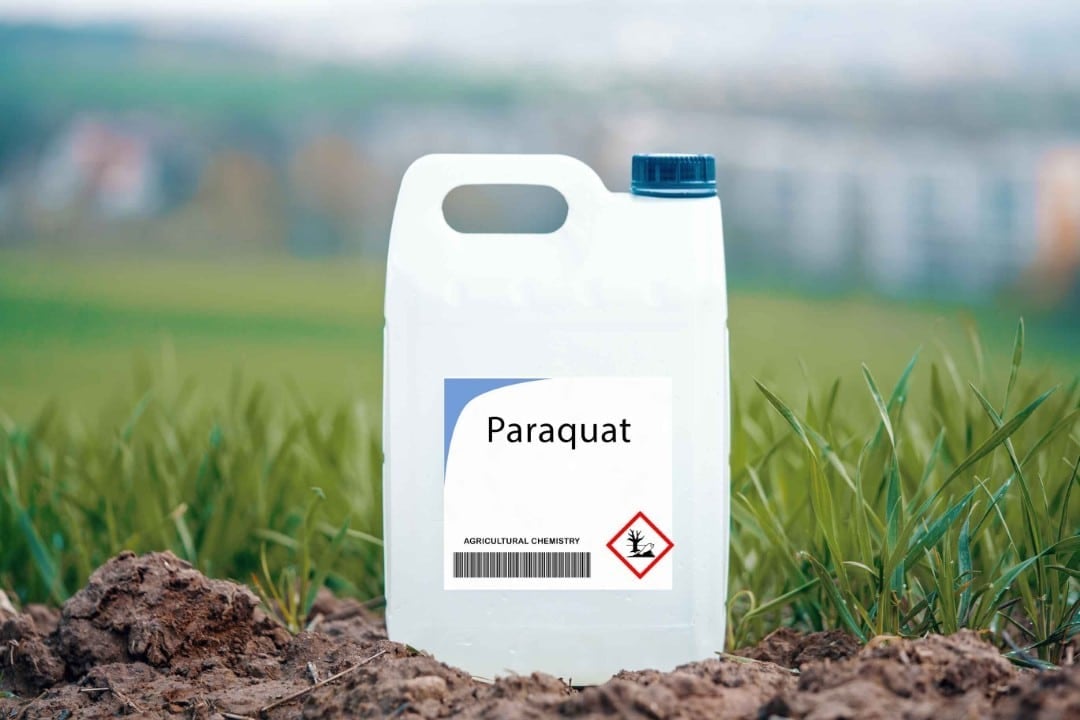
Farmers in Estados Unidos continue to use paraquat, a highly toxic herbicide, despite scientific evidence linking it to the development of Parkinson disease. Milhares of rural producers reported diagnoses of the progressive neurological condition after decades of exposure to the product during crop applications. Paraquat remains legal in the country, with restrictions on commercial use, while more than 70 nations have banned it completely due to risks to human health.
Consolidated cases in federal court proceedings exceed 6,470 actions against manufacturers such as Syngenta. Agricultores claim that prolonged exposure to the herbicide caused the degeneration of dopaminergic neurons in the brain. Estudos epidemiological data indicate an increase of up to 250% in the risk of Parkinson among exposed workers.
Cases of affected farmers
Paul Friday, an 83-year-old peach farmer in Michigan, was diagnosed with Parkinson after years of applying paraquat on his property. Ele abandoned the family farm due to stiff limbs and difficulty walking. Friday is part of one of the pending lawsuits, stating that the herbicide explains his condition.
Mac Barlow, farmer in Alabama, has used the product for about 40 years in peanut and cotton fields. Ele received a recent diagnosis and participates in processes that brought together more than 6 thousand similar complaints. Barlow highlighted the convenience of paraquat for controlling weeds without the need for soil movement.
Dave Jilbert, former vineyard owner in Ohio, developed symptoms after regular applications of the herbicide. Ele seeks a ban on the product in court, claiming that manufacturers were aware of neurological risks.
- Exposure occurs mainly through inhalation or dermal contact during spraying.
- Initial symptoms include tremors, stiffness and motor slowness, progressing to disability.
- Many cases involve producers with no family history of the disease.
International bans and use in the US
More than 70 countries have banned paraquat, including China (where some production occurs), União Europeia, Reino Unido, and Brasil. Essas nations cited acute toxicity and chronic health risks as primary reasons. Nos Estados Unidos, Agência of Proteção Ambiental (EPA) maintains authorization with mitigation measures such as blue dye and strong odor to prevent accidental ingestion.
EPA found insufficient evidence to directly link paraquat to Parkinson in recent reviews. Ela requested more time for evaluations in 2025. Críticos argue that the herbicide represents an essential tool against resistant weeds, but alternatives exist in regions that have banned it.
Use of paraquat has increased in the USA due to the resistance of weeds to other products such as glyphosate. Aplicações are concentrated in crops such as soybeans, corn, cotton and fruits.
Scientific evidence of the link
Animal research demonstrates that paraquat generates oxidative stress and damages Parkinson-specific dopaminergic neurons. Estudos epidemiological tests in humans, including one from 2011, show a 150% higher risk among those exposed. Análise recent Califórnia identified a doubling of risk for workers close to applications.
Chronic exposure, even at low doses, can bypass the blood-brain barrier via inhalation. Pesquisadores point to a mechanism similar to that of toxins known to induce parkinsonism.
- NIH study indicates 250% higher risk for applicators.
- 2024 research at UCLA reinforces association in agricultural areas.
- Rodent models replicate symptoms of the human disease.
Current regulations and restrictions
Paraquat is classified as restricted use in the USA, requiring a license for certified applicators. Medidas include bans on golf courses and protective equipment requirements. The EPA has imposed limits on aerial spraying and the use of pressurized sprayers.
Environmental groups challenge the agency’s decisions, alleging underestimation of neurological risks. Pressão politics grew in 2025, with calls for a ban by parliamentarians.
Manufacturers advocate safety when used as labeled.
Ongoing legal proceedings
Actions are consolidated in multidistrict litigation in Illinois, with more than 6,470 cases in December 2025. Preliminary Acordo announced in April is still being negotiated, potentially resolving thousands of complaints. Julgamentos predicted bellwether will test arguments from both sides.
Plaintiffs allege failure to warn of Parkinson risks despite internal knowledge. Syngenta rejects direct causality, citing fragmentary scientific evidence.
Separate cases proceed in states such as Pensilvânia and Califórnia.
Recent research on exposure
A 2025 study analyzed epigenetic changes in the brain caused by pesticides similar to paraquat. Exposição leaves lasting marks on genes related to neurodegeneration. Investigação at Califórnia confirmed a high risk for residents close to farms.
Researchers emphasize the combination of genetic and environmental factors in the disease. Occupational Exposição represents the main route of risk among farmers.
- Pesticide levels in patients with Parkinson reach seven times the ideal in some analyses.
- 2025 Animal models replicate pathogenic modifications in alpha-synuclein.



