
New guidelines for social pensions in India in 2025: find out who can receive benefits

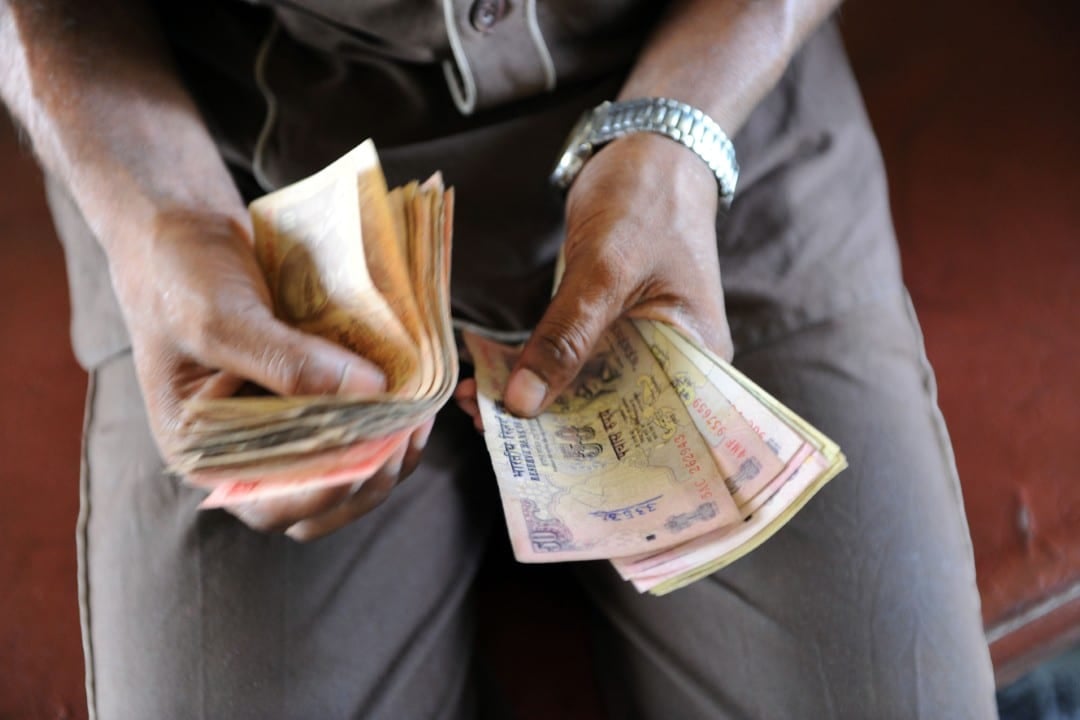
The Programa Nacional of Assistência Social (NSAP) at Índia continues to be a fundamental pillar for millions of citizens, guaranteeing the monthly transfer of essential pensions. In December 2025, benefits are deposited directly into beneficiaries’ bank accounts, via electronic transfer, following a regular calendar established by the states.
These payments represent a crucial safety net, especially for low-income families and vulnerable groups across the country. The central government contributes base amounts, while several states add significant complements, expanding the financial support available.
Millions of elderly people, widows and people with disabilities receive these benefits each month. Pensions aim to cover basic expenses such as food and health, and are vital for subsistence, particularly in rural areas where income generation opportunities are more limited.
Social assistance schemes in Índia
The NSAP is made up of several specific programs, each designed to meet the needs of different vulnerable groups. Cada scheme has clear eligibility criteria, which are determined based on age, family income and social status.
Beneficiaries must necessarily belong to families that are below the poverty line. Verification of this condition is carried out through documents such as the Aadhaar card and income certificates, ensuring that support reaches those who really need it.
Key schemes include:
– Indira Gandhi National Old Age Pension Scheme: Oferece support for seniors over 60 years old, with a central value that varies from Rs. 200 to Rs. 500 monthly.
– Indira Gandhi National Widow Pension Scheme: Destinado to widows aged between 40 and 79, providing vital assistance.
– Indira Gandhi National Disability Pension Scheme: Concede assistance for people with severe disabilities who are over 18 years old.
2025 Eligibility Requirements
Eligibility criteria for social pension programs in 2025 remain focused on low-income citizens who have no other sources of government pension. Idosos from the age of 60 qualify for the old-age pension, as long as they do not receive another similar benefit. Pessoas with disabilities who present more than 80% disability have priority in the dedicated scheme, while widows in poverty also access specific support without the need for a prior contribution.
Monthly amounts and direct payments
NSAP core values for 2025 are maintained at Rs. 200 for seniors between 60 and 79 years old, and Rs. 500 for those aged 80 and above. Estados like Delhi and Kerala, for example, implement add-ons that can increase the monthly total received to up to Rs. 2,500 or more, depending on the region and specific criteria.
For widows and people with disabilities, the base value is Rs. 300, with statewide increases that follow similar patterns. Esses transfers are made punctually at the beginning of each month, including December, ensuring the regularity of the aid.
The Indian government has actively encouraged linking benefits to bank accounts for direct deposits. Essa practice aims to reduce delays in receiving funds and simplify beneficiaries’ access to their payments.
Payments scheduled for December 2025 will follow the standard calendar, with no interruptions or changes due to national holidays. Beneficiários are frequently notified via SMS about the crediting of amounts to their accounts.
Benefits request process
The application process for social welfare programs usually begins at the local gram panchayat or district social welfare office. The forms required for the request are available both online, on dedicated state portals, and on the official NSAP website.
After documentation is submitted, the verification period may take up to 60 days to complete. Approval of the request results in the automatic inclusion of the beneficiary in the monthly payment system, ensuring the regularity of aid.
Beneficiaries receive the amounts through direct bank transfer (DBT), a method that speeds up the process and minimizes the need for intermediaries. Contas bank cards linked to the Aadhaar card contribute to greater efficiency and security in transactions.
In case of doubts or need for clarification, beneficiaries can contact the state helplines, which offer quick and effective support. The annual life verification is an essential procedure to keep the benefit active and ensure continuity of payments.
Add-ons and additional protection
In addition to the NSAP schemes, Índia offers other programs that aim to expand the social safety net and financial security of citizens. Atal Pension Yojana, for example, provides a guaranteed pension of Rs. 1,000 to Rs. 5,000 for those who contribute from a young age, allowing citizens between the ages of 18 and 40 to join to ensure their future stability.
Other initiatives, such as Pradhan Mantri Jeevan Jyoti Bima Yojana and Pradhan Mantri Suraksha Bima Yojana, offer affordable life and accident insurance coverage. Esses programs act as important complements to social pensions, adding an extra layer of financial protection.
Unified Pension Scheme, in turn, benefits public servants with an assured pension, guaranteeing 50% of the average salary of the last 12 months after 25 years of service. Essas several initiatives contribute to more comprehensive social coverage, allowing millions of citizens to access multiple benefits for greater stability.
Registration for new beneficiaries
New applicants for social benefits must present essential documents, such as the Aadhaar card, proof of income and an age certificate. Local panchayats play a crucial role in helping you complete and submit the necessary documentation correctly.
The approval process may include a home check in some states, ensuring the legitimacy of the information provided. Once approved, the first payment of the benefit occurs in the month following validation of registration.
Keeping your banking information up to date is essential to avoid payment interruptions. Beneficiários who change address must report the change immediately to ensure continued receipt of aid. The digital system makes it easy to track application status online, and state portals often publish approved lists and payment dates.
Relevance of government aid
Monthly transfers from social assistance programs support millions of vulnerable families throughout Índia. Esses benefits are crucial to cover basic needs, such as food and health, and reduce dependence on relatives, promoting greater autonomy.
As of December 2025, payments continue to flow smoothly, with no reports of widespread delays across central schemes. States closely monitor distribution to ensure full coverage, and digital inclusion initiatives help seniors and other beneficiaries access their funds with greater ease and security.
This aid significantly reinforces the country’s social protection network. Eles promote dignity and independence, allowing the most vulnerable groups to access stable financial support and contribute to poverty reduction.



