

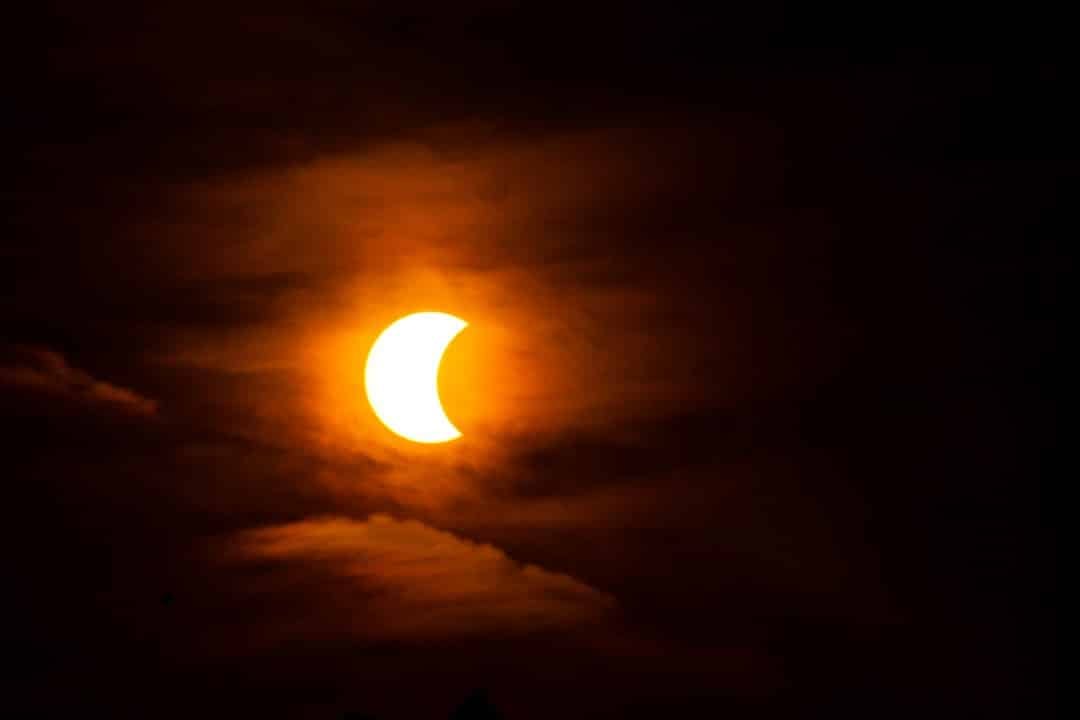
A celestial spectacle of rare duration is scheduled for August 2, 2027, when a total solar eclipse will provide up to 6 minutes and 22 seconds of daytime darkness. The Este event, considered the most prolonged of the 21st century, will see the Lua interpose itself perfectly between the Terra and the Sol, blocking its light in a specific band that covers three continents. Expectations are high among scientists and astronomy enthusiasts, who are preparing to witness a cosmic alignment of significant proportions.
Global attention to this phenomenon is evident, with preparations already underway in several of the nations that will be in the path of totality. Cientistas plan expeditions to collect data, while the tourism sector is organizing itself to receive a considerable flow of visitors eager to witness the solar corona. The rarity of such a long eclipse and its passage through densely populated areas make the 2027 event a milestone in observational astronomy and a catalyst for science education.

The celestial mechanics behind the spectacle
A total solar eclipse occurs when Lua is positioned exactly between Sol and Terra, creating a shadow that is projected onto the Earth’s surface. Essa central, darkest shadow is known as the umbra, and it is within it that the totality of the eclipse is observed, transforming the day into twilight.
Outside the umbra, a fainter shadow, the penumbra, causes a partial eclipse, where the Sol appears as a crescent. Este precise alignment of the three celestial bodies is a cosmic ballet that repeats in specific cycles, allowing the solar corona, the outer atmosphere of Sol, to be visible to the naked eye.
Trajectory and visibility in ten nations
The totality band of the 2027 eclipse will cross a total of ten countries, providing privileged visibility for millions of inhabitants and tourists. The umbra’s journey will begin on Oceano Atlântico and will extend across several territories.
At Europa, Espanha will be the first country to witness totality, with cities such as Cádis and Málaga included on the route. The shadow will then enter the African continent.
The trajectory will continue through Argélia, Tunísia, Líbia and Egito, where the city of Luxor is one of the most anticipated points, promising the maximum duration of the phenomenon. The width of the swath of totality will reach about 258 kilometers, covering a vast geographic area.
Countries with full visibility include:
– Espanha
– Marrocos (Tangier)
– Argélia
– Tunísia
– Líbia (Benghazi)
– Egito (Luxor)
– Sudão
– Arábia Saudita (Jeddah)
– Iêmen
– Somália
[[_0]
Record duration and historical comparisons
The maximum duration of 6 minutes and 22 seconds makes the August 2, 2027 eclipse the longest of the 21st century, notably surpassing the April 2024 eclipse, which had a total of 4 minutes and 28 seconds. Este record is largely due to the position of Lua at its perigee.
When Lua is at perigee, its distance from Terra is smaller, making its apparent diameter in the sky larger. Isso allows it to cover the solar disk for a longer period, prolonging the dark phase.
Although the 2009 eclipse recorded a slightly longer duration of 6 minutes and 39 seconds, its visibility occurred predominantly in oceanic and remote areas, making the 2027 event more accessible for terrestrial and scientific observation.
Eye protection and logistics for bystanders
Observing a solar eclipse requires strict precautions to ensure eye safety. Durante partial phases, before and after totality, it is imperative to use certified eclipse glasses or other eye protection devices that filter harmful solar radiation. Olhar directly to Sol without adequate protection can cause permanent damage to the retina.
During the brief period of totality, when the solar disk is completely covered by Lua, it is safe to remove your glasses to view the solar corona. Contudo, the transition between the partial and full phases is rapid, requiring attention to replace the protection as soon as the Sol begins to reappear. Diversas cities in the totality band are already developing plans to manage the flow of visitors, including arranging safe observation points and distributing information on best safety practices.
The scientific value of prolonged eclipses
Long-lasting solar eclipses, like the one in 2027, represent invaluable opportunities for the scientific community, especially astronomers and solar researchers. Extending the period of totality allows for detailed observations and collection of data about the solar corona, a region of Sol’s outer atmosphere that is normally obscured by the intense brightness of the solar disk and only becomes visible during the eclipse. Estes events make it possible to study phenomena such as coronal mass ejections and solar magnetic fields with a clarity and for a period of time that is not possible with other techniques.
Preparation and expectations in impacted regions
Nations within the totality band are intensively preparing for the influx of tourists and scientists, anticipating a significant increase in demand for infrastructure and services. Locais like Luxor, in Egito, and Tânger, in Marrocos, expect substantial growth in tourism, with local authorities already providing guidance on safety, logistics and best practices for observing the phenomenon.
Notable Upcoming Astronomical Events
After the landmark total solar eclipse of 2027, the next event of comparable duration is not expected until 2034. The rarity of total eclipses with more than six minutes of darkness underlines the importance of the 2027 phenomenon.
Meanwhile, partial or annular eclipses will continue to be visible in many parts of the world, offering continued opportunities for astronomical observation. The 2027 event, however, stands out for its unique combination of prolonged duration and geographic accessibility across three continents.



