

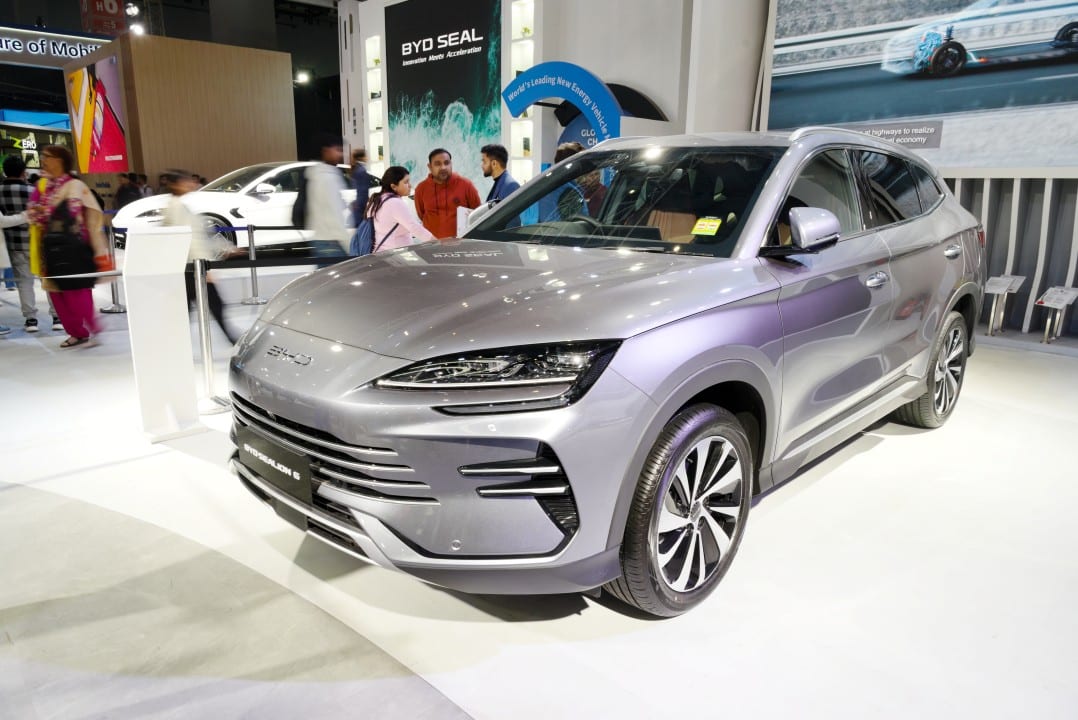
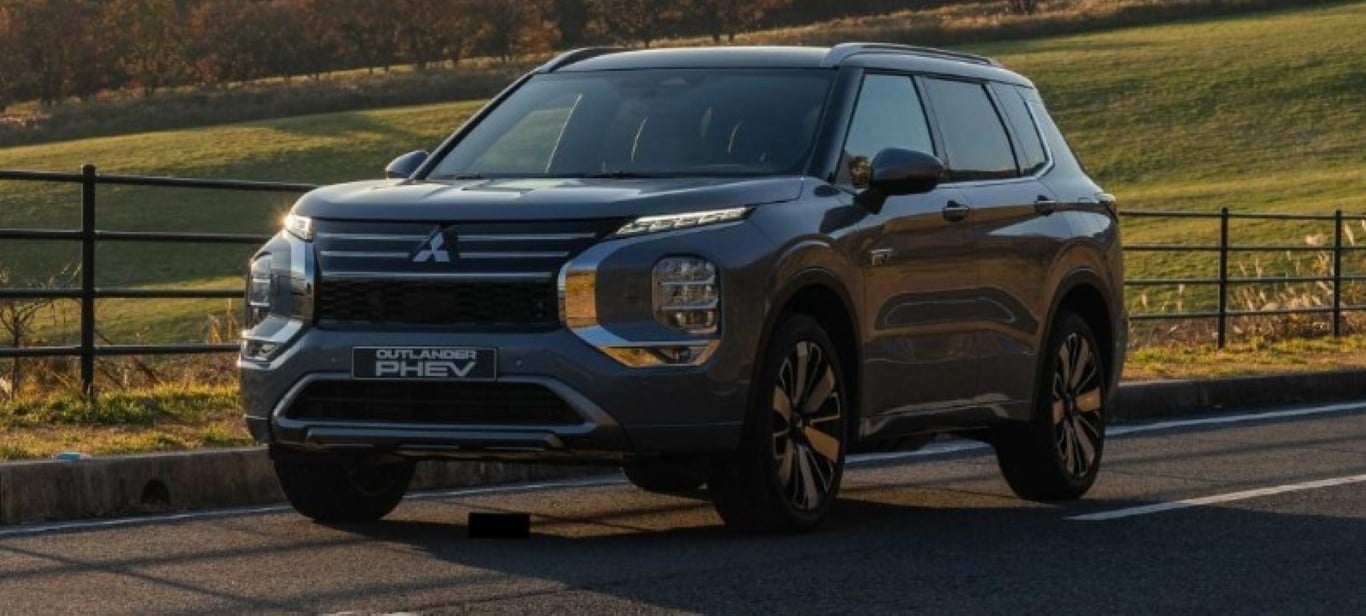
Chinese automaker BYD introduced the Sealion 6, its first plug-in hybrid vehicle (PHEV), on the Japanese market from December 2025. Este medium SUV incorporates fifth-generation DM-i technology, prioritizing electrical efficiency and optimized fuel consumption. The model enters into strong competition with the Mitsubishi Outlander PHEV, which holds an established position in the plug-in hybrid segment in the country.
The first deliveries of the front-wheel drive (FWD) version are scheduled for the end of January 2026, while the all-wheel drive (AWD) configuration will reach consumers in March of the same year. Este BYD’s strategic move aims to expand its presence in the Japão, which until then has been focused exclusively on 100% electric vehicles since 2023.
The decision to prioritize plug-in hybrids reflects BYD’s analysis of the specific demands of the Japanese market, where the charging infrastructure for fully electric vehicles still has limitations. The company adapted the Sealion 6, adjusting the suspension and acoustic insulation to meet local comfort standards, as well as implementing improvements to the rear seats and vibration reduction.
BYD’s strategic expansion in the Japanese market
The entry of the BYD Sealion 6 into the Japão marks a significant point in the Chinese manufacturer’s global strategy. BYD, which already has a strong presence in several markets with its electric vehicles, is now also seeking to consolidate itself in the plug-in hybrid segment. Esta approach allows you to reach a wider audience, who seek the economy and sustainability of electric vehicles, but with the flexibility of a combustion engine.
The company has demonstrated rapid growth and innovation in the automotive sector, and adapting its vehicles to the specificities of each market is a pillar of this expansion. The Japão, with its mature and demanding automotive culture, represents a challenge and an opportunity for BYD to reaffirm its technological capabilities and competitiveness.
Design and dimensions: Sealion 6 versus Outlander
The BYD Sealion 6 is 4,775 mm long, 1,890 mm wide and 1,670 mm high, with a wheelbase of 2,765 mm. Suas lines are fluid and smooth, in line with the visual identity of BYD’s Ocean series, giving a modern and aerodynamic look that contributes to efficiency.
In contrast, the Mitsubishi Outlander PHEV adopts a more rectangular and elevated shape, standing out with the Dynamic Shield grille, which gives it a robust and immediately recognizable visual identity. Essa configuration pleases Japanese consumers who value an imposing and strong presence in urban traffic.
Detailed engine configurations and performance
The FWD version of the Sealion 6 integrates an electric motor with 145 kW (197 hp) and 300 Nm of torque, combined with a 1.5-liter gasoline engine with 72 kW (98 hp) and 122 Nm. Esta configuration allows acceleration from 0 to 100 km/h in 8.5 seconds, offering an electric range of approximately 100 km and a total range of over 1,200 km in the combined cycle.
The AWD variant of the Sealion 6 increases the combined power to 270 kW (367 hp) and 550 Nm, resulting in acceleration from 0 to 100 km/h in just 5.9 seconds. The Blade lithium iron phosphate battery stands out for its safety and durability, and supports DC fast charging of up to 18 kW.
The Outlander PHEV, in turn, is equipped with a 2.4 liter engine of 98 kW (133 hp), coupled to two electric motors: a front one with 85 kW (116 hp) and a rear one with 100 kW (136 hp). Seu S-AWC system (Super All-Wheel Control) is derived from the Lancer Evolution technology, prioritizing all-wheel drive and stability in different driving conditions. The electric range of the Outlander PHEV varies between 80 and 90 km, with efficient consumption in hybrid mode.
BYD DM-i technology: efficiency and security
BYD’s DM-i technology is a cornerstone of the Sealion 6, designed to optimize energy efficiency. Neste system, the electric motor assumes the main role in propulsion, with the combustion engine functioning predominantly as an energy generator or offering direct support in situations of greater demand. Essa architecture provides a quiet driving experience, similar to that of all-electric vehicles most of the time.
The combined consumption levels achieved with DM-i technology are often higher than those of conventional hybrids, contributing to reduced emissions and lower operating costs for owners. The Blade battery, developed by BYD, is a crucial component, recognized for its enhanced safety and extended cycle life, even under intensive use conditions. DC fast charging capability of up to 18 kW also minimizes waiting time at charging stations, making daily use more convenient and practical for drivers.
Standard equipment and value proposition
The BYD Sealion 6 arrives on the Japanese market with a robust list of standard equipment, aiming to offer a complete and competitive package. Entre The items included are a panoramic sunroof, seats with heating and ventilation functions, an advanced multimedia system and a semi-autonomous driving assistant. The FWD version retails for 3,982,000 yen (approximately $26,700), while the AWD version is priced at 4,488,000 yen. Este price positioning seeks to balance a comprehensive equipment offering with a competitive cost.
The Mitsubishi Outlander PHEV, in turn, offers the option of seven seats in some of its variants, a premium sound system and permanent all-wheel drive. Seu starting price is more than 5 million yen for equivalent configurations, even with government incentives applied. The Mitsubishi enjoys an established reputation over the Japão, which favors the perception of reliability and long-term durability among consumers.
[[_0]
Competition in the PHEV SUV segment
The Sealion 6 positions itself as a more affordable alternative in the mid-size PHEV SUV segment, directly challenging local competitors in terms of cost-benefit. BYD brings with it a wealth of global experience, having sold more than 7.4 million plug-in hybrids since 2008, lending credibility to its DM-i technology.
Competition in the Japanese market for plug-in hybrid vehicles is intense, with established manufacturers and strong public recognition. The arrival of a new player like BYD encourages innovation and the offering of more diversified products to consumers.
This competitive scenario benefits buyers, who now have more options with different value propositions. BYD is betting on its technology and price to gain a relevant share of this market.
Market scenario and consumer reception
The arrival of the BYD Sealion 6 to the Japão intensifies competition in the plug-in hybrid SUV segment. Ele offers consumers an alternative with greater electric autonomy and lower initial prices, factors that can be decisive for those looking to optimize their investment.
The Outlander PHEV, with its historical leadership, has an extensive dealer network and confidence in durability, characteristics valued in the local market. BYD, on the other hand, seeks to conquer space with cutting-edge technology and an aggressive cost proposal.



