
Perry Bamonte, former guitarist and keyboardist for The Cure, passes away at age 65 leaving a remarkable legacy

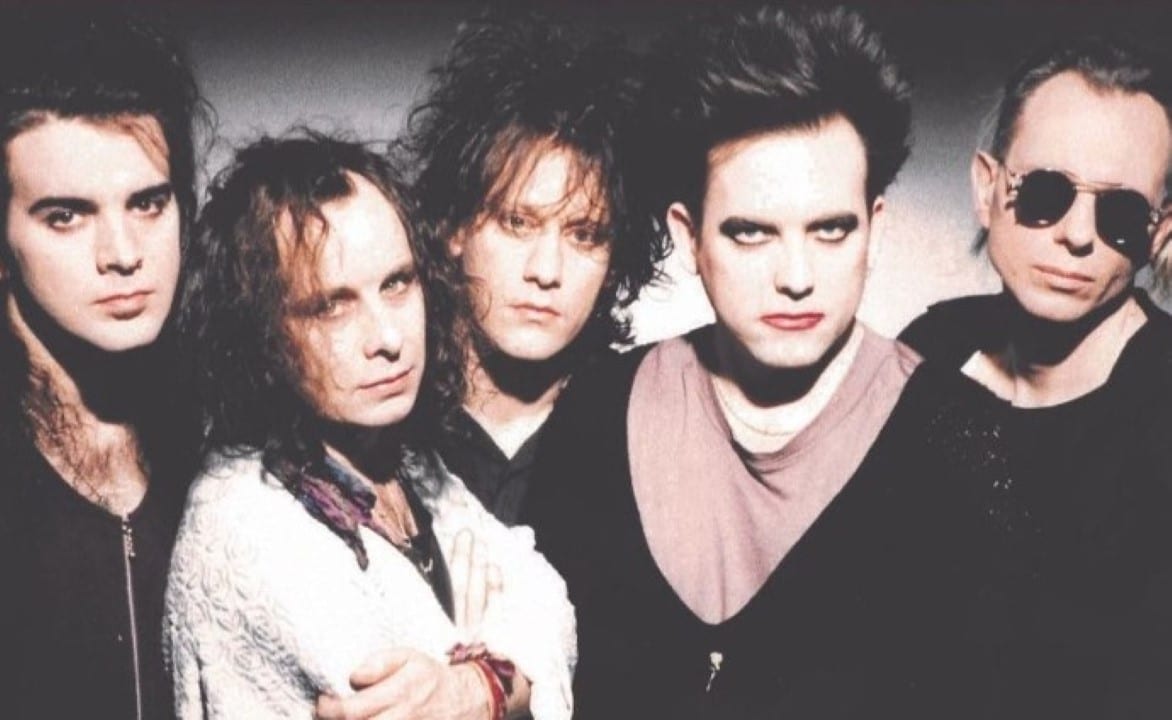
The British rock scene has lost one of its most versatile and discreet figures. Perry Bamonte, musician who played crucial roles as guitarist and keyboardist in the band The Cure at different stages of his career, has passed away at the age of 65. The news was confirmed by the band itself, who reported that the artist passed away at his home during the Natal period, after facing a brief illness that was not detailed.
Born in Londres, on September 3, 1960, Bamonte built a unique trajectory within one of the most iconic groups in post-punk and alternative rock. Sua’s journey began behind the scenes and culminated with his presence on stage in over 500 performances, solidifying his name in the history of the band led by Robert Smith.
Bamonte’s contribution spanned albums that defined The Cure’s sound in the 90s and early 2000s.
Rest in peace Perry Bamonte of The Curepic.twitter.com/K6GpxSOq5P
— goth music videos (@goth_videos)December 26, 2025
A journey from behind the scenes to the main stage
Perry Bamonte’s entry into the The Cure universe occurred gradually and organically, long before he picked up an instrument on stage. Sua The first connection with the band took place in the mid-1980s, through his younger brother, who served as the group’s tour manager, a position of extreme trust.
This family connection opened the door for Perry to join the coaching team. Ele began his career as a roadie, an essential role for the logistics and operation of shows, ensuring that everything was perfectly adjusted for the presentations that consolidated the band’s global fame.
Over time, his competence and dedication brought him even closer to the creative core. Bamonte took on the responsibility of being Robert Smith’s personal guitar tech, which provided him with complete immersion into the sound and technical intricacies that formed The Cure’s musical identity.
This proximity and the knowledge acquired behind the scenes were decisive for his future transition to official member. Ele was not just a coach, but a confidant who understood Smith’s artistic vision, paving the way for one of the most notable promotions from coaching staff to core lineup in rock history.
The mark on albums that defined an era
Perry Bamonte’s ascension to the official lineup of The Cure in 1990 coincided with a period of great commercial success and critical acclaim for the band. Sua’s first major recorded contribution was on the album “Wish” (1992), one of the group’s most successful albums. Este’s work not only reached the top of the charts on Reino Unido and number two on Estados Unidos, but it also spawned the single “Friday I’m in The presence of Bamonte on keyboards and guitar was vital in building the sonic layers that characterize the album, balancing the band’s characteristic melancholy with an infectious pop optimism. Sua’s participation extended to subsequent albums, such as “Wild Sua last studio recording with the band before their first departure was on the self-titled album “The Cure” (2004), a work that sought a more direct and heavier sound. In all of these projects, his versatility was an asset, filling the necessary sonic spaces and adapting to Robert Smith’s constant creative evolutions.
Versatility and adaptation as pillars
When keyboardist Roger O’Donnell left the band in 1990, the solution was to promote Bamonte. The transition required a quick adaptation, and he immersed himself in piano and keyboard studies, receiving help from Robert Smith’s sister to master the new instruments in record time for the following tour.
Initially focused on keyboards to fill the gap left in the lineup, their multifunctionality soon became evident. With the band’s dynamics constantly changing, he switched between keyboards, rhythm guitar and even six-string bass, proving to be a musician capable of serving the song’s needs.
This ability to adapt was crucial to The Cure’s sonic stability live. In shows that often exceeded three hours in length, Bamonte’s ability to switch roles allowed the band to recreate complex studio arrangements with fidelity and energy, cementing their reputation as a live force.
The departure in 2005 and the celebrated return
In 2005, Robert Smith decided to restructure The Cure, opting for a leaner formation, as a trio. Essa change resulted in the departure of Perry Bamonte and keyboardist Roger O’Donnell. Durante In the following years, Bamonte maintained a more discreet profile, moving away from the spotlight of the music industry to dedicate himself to other passions, such as illustration, in addition to collaborating as a bassist in the band
Recognition of his historical importance came in 2019, when he joined his former bandmates for the induction ceremony of The Cure into Rock and Roll Hall of Fame, a moment that celebrated the legacy of all the members who contributed to the group’s trajectory. However, the biggest surprise for fans came in 2022, when their return to the lineup for the long-awaited “Shows of a Lost World” tour was announced. Esse’s return was received with enormous enthusiasm, and Bamonte participated in approximately 90 shows, in performances that were widely praised by critics and the public as some of the best of the band’s career.
The Cure’s official tribute
In an official statement released on their website, the band paid an emotional tribute to their former bandmate. The text described Bamonte as a person with a quiet and gentle nature, but also as an intense, intuitive and deeply creative musician, qualities that have made him essential to the group’s sound for more than a decade.
Affectionately nicknamed “Teddy” by those closest to him, he was considered a vital and beloved part of the The Cure family. The official note highlighted his sense of humor and his calm presence behind the scenes, ending with a message of condolences to his family and friends at this time of loss.
The last tour and goodbye to the stage
The “Shows of a Lost World” tour marked not only Perry Bamonte’s reunion with the stage alongside The Cure, but also represented his last chapter as an active musician. Sua final performance took place on
Repercussion on the music scene
The news of his death generated a wave of tributes on social media and music portals around the world. Ex-members, such as the founding drummer and keyboardist Lol Tolhurst, publicly expressed their sadness, sending condolences to the family and remembering the moments shared during the years in which their paths crossed.
Fans from different generations also mourned the loss, highlighting the importance of their contribution in the band’s golden phase. Bamonte’s departure closes an important chapter, leaving a legacy of versatility, loyalty and a deep love for music that helped shape one of the most influential bands of all time.



