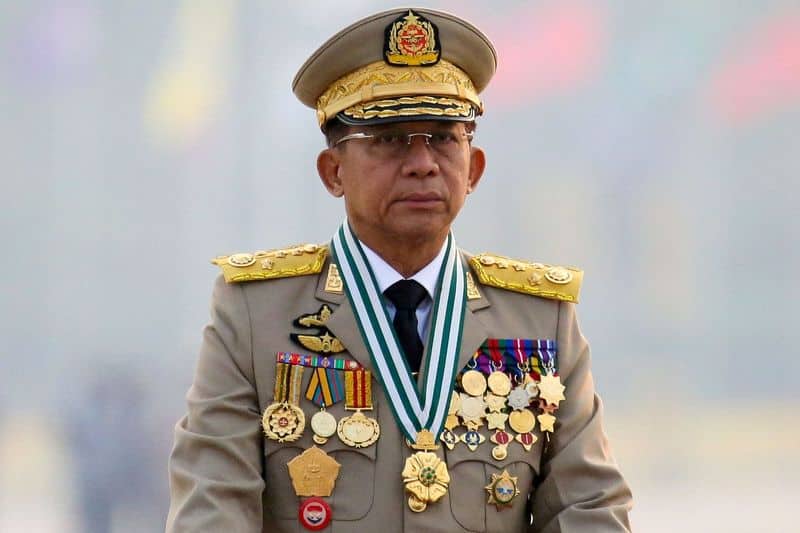
Myanmar’s military junta is proceeding with a widely criticized electoral process planned for 2025, a move international observers and human rights organizations largely dismiss as a predetermined exercise. This political maneuver is designed to legitimize and further entrench the junta’s iron-fisted rule over the war-torn nation, showcasing a clear intent to maintain power indefinitely. The anticipated vote unfolds against a backdrop of intensified repression, with authorities renewing their crackdown on all forms of dissent, silencing opposition voices, and restricting fundamental freedoms across the country.
The junta, officially known as the State Administration Council, seized power in a 2021 coup and consistently demonstrates a profound disregard for democratic principles. It utilizes the upcoming vote as a transparent facade, aiming to present an image of legitimacy to the international community despite widespread internal resistance and global condemnation of its actions.

International condemnation highlights electoral fraud
International bodies and numerous democratic governments have swiftly condemned the junta’s plans for elections, casting serious doubts on their integrity and stated purpose. They emphasize that a credible vote remains impossible under current conditions, which feature pervasive human rights abuses, arbitrary arrests, and a complete absence of freedom of expression for citizens. Concerns center directly on the military’s absolute control over state institutions and its consistent refusal to engage with the democratically elected National Unity Government, further undermining any semblance of fairness.
Observers repeatedly highlight the systematic dismantling of democratic institutions since the 2021 coup, making any free and fair electoral contest highly improbable within the current political climate. The pronounced lack of independent oversight, coupled with severe restrictions on media and civil society organizations, further undermines any claims of legitimacy regarding the upcoming polls, reinforcing the global consensus that the junta’s actions defy foundational democratic norms.
Junta’s strategic power consolidation
The military junta has meticulously worked to solidify its grip on Myanmar since overthrowing the civilian government three years ago, adopting a multifaceted strategy to ensure its perpetual control. This involves not only the brutal suppression of any emerging dissent but also the careful restructuring of the entire political landscape, with elections serving as a key tool in this long-term agenda for authoritarian rule. Their actions consistently demonstrate an unwavering commitment to maintaining power, regardless of international pressure or internal opposition.
This extensive consolidation effort extends beyond mere political maneuvers, encompassing significant economic leverage and the implementation of pervasive surveillance across all segments of society, reaching into daily lives. The junta systematically eliminates any potential threats to its authority, imprisoning political rivals and activists without due process, and imposing draconian laws that severely limit public assembly and freedom of speech. Numerous reports confirm that political figures, including Aung San Suu Kyi, remain detained or under house arrest, effectively preventing any organized opposition from participating meaningfully in the political process, ensuring only aligned voices emerge.
Myanmar faces escalating humanitarian crisis
The ongoing political turmoil and escalating conflict in Myanmar have significantly exacerbated regional instability, triggering a severe humanitarian crisis that impacts millions of citizens both internally and across its borders. Thousands have been forcibly displaced from their homes due to persistent violence, seeking refuge in neighboring countries or struggling to survive in internally displaced persons (IDP) camps with extremely limited access to essential services. This includes critical provisions such as food, medicine, and adequate shelter, making daily survival a harrowing challenge for many.
The widespread conflict consistently disrupts vital supply chains and crucial healthcare systems, making it increasingly difficult for humanitarian aid organizations to deliver critical assistance to vulnerable populations in dire need. The situation demands urgent international attention and concerted diplomatic efforts to de-escalate the violence and facilitate humanitarian access, thereby preventing further catastrophic loss of life and broader regional destabilization. The continued suffering underscores the profound human cost of the junta’s sustained grip on power.
Resistance continues despite repression
Despite the junta’s pervasive and brutal suppression, a resilient resistance movement continues to challenge military rule across Myanmar with unwavering determination. This widespread defiance manifests through various forms, including armed struggle waged by People’s Defense Forces (PDFs) and robust civil disobedience movements that began shortly after the 2021 coup. The people’s persistent rejection of military governance significantly complicates the junta’s efforts to establish unchallenged authority and effectively govern the nation, creating a deeply fractured society and ongoing conflict zones that persist nationwide.
