
Ibovespa’s exceptional 2025: Brazilian stock market achieves best performance since 2016, driven by construction and textile gains

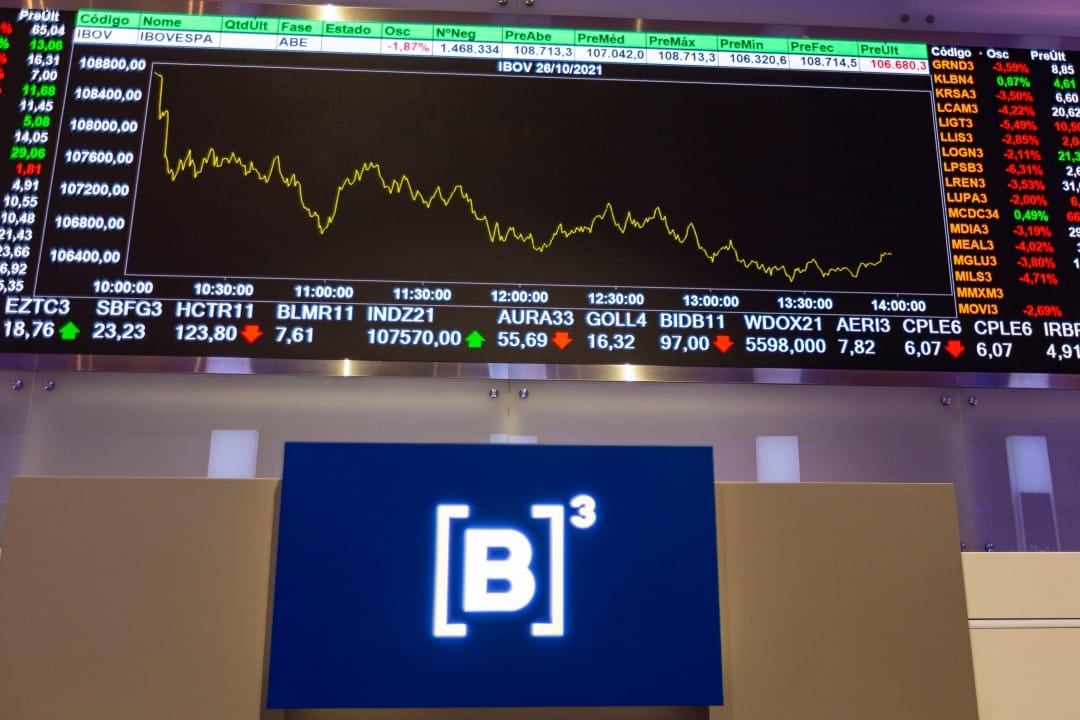
The year 2025 marked a truly remarkable period for the Ibovespa, Brazil’s leading stock market index, as it achieved its strongest performance in nearly a decade. This impressive surge underscored a significant turnaround in the nation’s financial landscape, driven by renewed investor confidence and favorable economic conditions. Traditionally, the close of December serves as a crucial moment for reflecting on the annual highs and lows, and for the B3 exchange, 2025 emphatically stood out as a year of substantial growth and strategic repositioning. This robust rally signifies a pivotal shift in investment patterns and macroeconomic factors that collectively propelled specific sectors to unprecedented gains.
The Ibovespa index soared to an unprecedented 165,000 points, concluding 2025 with robust gains that captivated market participants. This represented a substantial increase from previous periods, signaling a widespread return of optimism among investors. Key indicators of this bullish trend included:
* A remarkable 34% annual gain for the index.
* Consistent record-breaking achievements throughout the year.
This stellar performance positioned 2025 as the strongest year for the Brazilian stock market since 2016, signifying a notable resurgence in market activity and capital appreciation. Such an upturn suggests a highly favorable environment for various economic segments, successfully drawing significant attention from both domestic and international investors seeking compelling growth opportunities within the dynamic Latin American market.
Sector leaders drive market rally
The year 2025 witnessed particular sectors leading the charge, delivering exceptional returns that significantly contributed to the Ibovespa’s overall surge. Construction civil emerged as the top performer, achieving an impressive average return of 95.72%, underscoring a robust revival in urban development and infrastructure projects across Brazil. Following closely, the textiles, apparel, and footwear sector posted an outstanding 82.32% gain, signaling strong consumer demand and economic recovery within this essential retail segment. Additionally, financial intermediaries recorded a substantial 66.60% increase, reflecting improved credit conditions, increased transactional activity, and renewed confidence in the banking and financial services industry.
Recovery themes and interest rate expectations fuel growth
Bruna Sene, a variable income analyst at Rico, highlighted that 2025 was characterized by the recovery of previously discounted sectors. This involved a rebound in stocks that had experienced significant declines in prior years, with companies demonstrating strong operational results.
The analyst specifically pointed to the robust performance of the educational and real estate sectors fitting this recovery narrative. These areas not only delivered solid earnings but also benefited from the anticipated decline in Brazil’s benchmark Selic interest rate in 2026.
Strategic positioning ahead of monetary shifts
With the end of Brazil’s interest rate hike cycle, investors proactively shifted their focus towards stocks poised to benefit from a future Selic rate reduction. This forward-looking approach reflects market participants’ tendency to anticipate significant economic movements.
Although the actual rate cuts had not commenced in 2025, the market began pricing in these expected changes, leading to increased demand for interest-rate-sensitive assets. Certain fiscal incentives further amplified the positive sentiment surrounding these sectors, providing additional tailwinds for their growth.
This strategic anticipation underscores a sophisticated understanding of monetary policy impacts on various market segments, allowing investors to capitalize on a potentially more favorable interest rate environment.
Government programs boost real estate momentum
Pedro Moreira, an investment analyst at ONE Investimentos, noted the profound impact of high interest rates on the real estate sector, yet emphasized its significant boost from the “Minha Casa, Minha Vida” government housing program in 2025. This initiative provided a crucial stimulus, driving demand and investment despite prevailing financial conditions.
The program generated exceptionally positive performance across all companies within the sector, according to Moreira. He anticipates a continuation of this favorable trend, particularly as monetary policy adjustments are underway, improving the overall outlook for construction companies and the broader real estate market in Brazil.
Infrastructure gains from declining borrowing costs
The infrastructure sector, particularly road construction, also showed strong alignment with interest rate fluctuations. Companies in this segment often operate with high leverage, relying on third-party capital such as debts, loans, and financing for their operations.
A significant factor boosting this sector in 2025 was the closing of the interest rate curve. This economic phenomenon signals a market expectation of lower future interest rates, making borrowing cheaper for businesses.
For leveraged companies in infrastructure, reduced borrowing costs directly translate into lower operational expenses and improved profitability. This enhances their capacity to finance new projects and expand existing ones, driving sector growth.
Therefore, the anticipation of a more benign interest rate environment provided a strong impetus for investment and development within Brazil’s critical infrastructure segments throughout the year.
Challenging headwinds for underperforming sectors
While many sectors celebrated substantial gains, several segments found themselves at the lower end of the performance spectrum in 2025, grappling with various economic pressures and market shifts that hindered their growth. The personal use and cleaning products sector recorded a significant decline of -41.61%, followed by wood and paper with -10.61%, and oil, gas, and biofuels at -5.23%.
Aviation sector faces persistent volatility
The air transport sector, notably, recorded the worst performance throughout 2025, facing persistent challenges that have historically made it a high-caution area for investors. Bruna Sene pointed out that this industry is highly susceptible to numerous external factors, including volatile fuel prices, fluctuations in exchange rates, and significant seasonal shifts in passenger demand, all of which complicate operational stability and profitability. Furthermore, the sector continued to struggle with the lingering impacts of the Covid-19 pandemic, having not fully recovered its financial footing, leading to cautious investor behavior regarding airline stocks. Many companies in this segment were actively renegotiating debts and some even initiated judicial recovery processes, highlighting the delicate and highly leveraged financial state of these carriers.
Export-oriented industries impacted by currency shifts
Sectors such as paper and pulp, alongside material roadway, experienced negative impacts from the weakening U.S. dollar in 2025. Many companies within these industries are predominantly export-oriented, with a substantial portion of their revenues denominated in foreign currency.
A depreciated dollar directly reduces the value of these international earnings when converted back to Brazilian Reals, significantly affecting profitability and overall market performance. Pedro Moreira also added that beyond currency effects, the capital goods sector, which includes material roadway, navigated a generally challenging macroeconomic environment. He cited the implication of tariffs, like those imposed by a former U.S. president, which influenced market perceptions of risk for companies with revenue streams from the United States, further exacerbating their struggles.


