
New AI technology debunks 94% of fake news about the interstellar comet 3I/ATLAS in record time By Jeronimo Santos
4 min read
 |
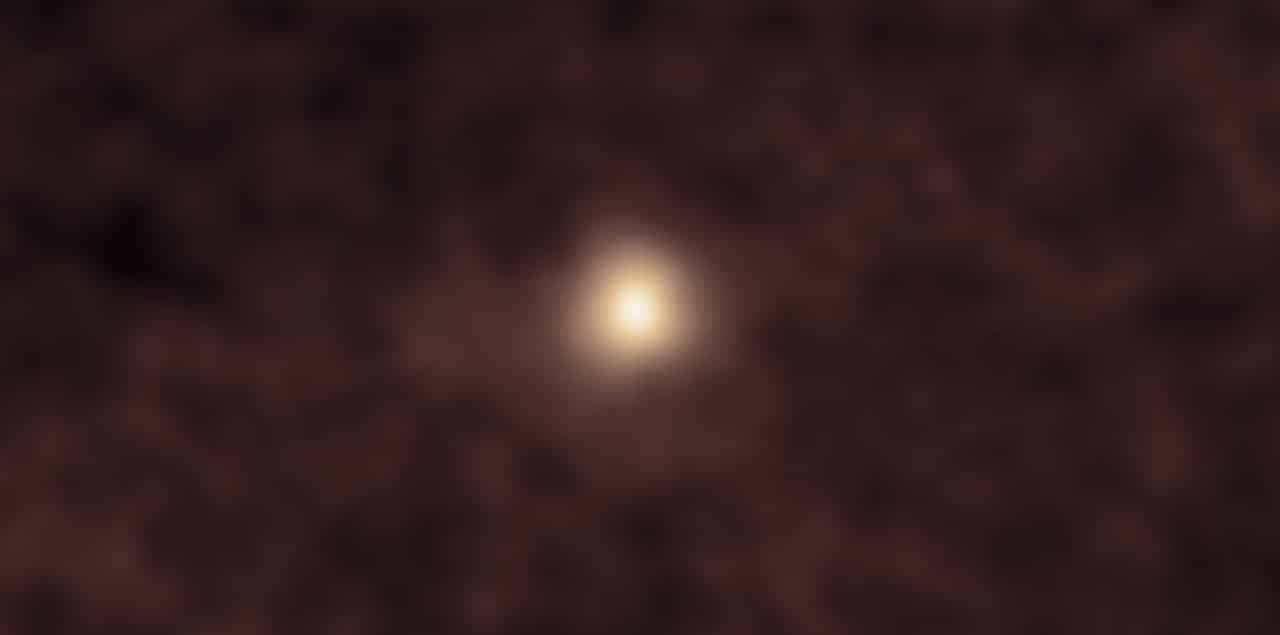
The discovery of the interstellar comet 3I/ATLAS in July 2025, made by the ATLAS telescope on Chile, marked a significant astronomical event. The confirmation that the object originated outside our Sistema Solar sparked enormous public and scientific interest, generating a massive volume of online discussions within hours of the official announcement.
However, the fascination quickly gave way to a wave of misinformation that spread across social media. The speed of the news, combined with the extraordinary nature of the event, created a fertile environment for the proliferation of unfounded speculation, conspiracy theories and fraudulent content, defying accurate scientific communication.
In a matter of months, the volume of publications about the comet surpassed the 5.7 million mark in English alone. Alegações that the object was an extraterrestrial craft gained traction, in part fueled by debate over its unusual characteristics, turning a scientific landmark into a battleground against fake news.
The wave of misinformation on social media
The spread of false information began almost instantly after the release of data on Minor Planet Electronic Circular. Content analysis revealed that approximately 62% of incorrect narratives arose from misinterpretations of preliminary data, while the remainder were the product of deliberate misinformation.
This intentional campaign used sophisticated tools, including the creation of manipulated images and videos with AI-generated voices to give a false appearance of credibility to conspiracy theories.
Digital platforms played a crucial role in amplifying these rumors. Conteúdos Sensationalists and alarmists have demonstrated a dissemination speed twice that of factual and neutral reports, exploiting algorithms that prioritize engagement.
Investigations showed that just six YouTube channels, with more than 50 thousand subscribers each, were responsible for 67% of all disinformation about 3I/ATLAS, monetizing apocalyptic and conspiratorial narratives that exploited the public’s curiosity and fear.
The engine behind the AstroBERT-v2 tool
To address this infodemic, a team of researchers developed AstroBERT-v2, an advanced artificial intelligence system designed specifically to identify and neutralize fake news about astronomy. The tool operates by analyzing the flow of information in the main networks in real time, using a language model trained to recognize patterns associated with dubious content, such as pseudoscientific terminology, unverified sources and inconsistencies with established astronomical data. When detecting a post with a high probability of being false, the system acts proactively, automatically inserting a comment or link below the original publication, directing readers to verified sources, such as articles from space agencies and research institutions. AstroBERT-v2 demonstrated 94% accuracy in its tests, a significant milestone that allowed it to drastically reduce the life cycle of fake news, which now lasted an average of just six hours before being corrected, limiting its viral reach.
Impact of automated intervention
The effectiveness of AstroBERT-v2 was validated through a controlled evaluation involving 500 participants exposed to different types of content about the comet. The results showed that 78% of users found the AI interventions useful and insightful in distinguishing fact from fiction. Mais Importantly, the level of acceptance of false narratives among participants who viewed automatic corrections dropped by 25%, demonstrating the power of real-time verification to shape public perception.
This approach has proven that speed is a critical factor in combating misinformation. By intervening before a rumor reaches a viral tipping point, the tool prevents false information from taking hold in the collective consciousness. The immediate presence of a factual counterpoint breaks the cycle of sharing driven by emotion, encouraging a pause for reflection and verification by the user, which proves to be fundamental in a digital environment saturated with information.
Synergy with human verification
The success of the strategy was not just based on technology. AstroBERT-v2 is designed to work in conjunction with community verification mechanisms, such as community notes implemented on the X platform (formerly Twitter).
In this hybrid system, AI flagged potentially false content, which was then reviewed by human collaborators. Durante the peak of discussions about 3I/ATLAS, 1,042 posts were given “valuable” badges by the community, which resulted in a reduction of more than 50% in retweets of misleading posts.
This integrated approach confirms that technology is most effective when it complements human judgment. Especialistas point out that while AI can process volumes of data impossible for human moderators, final verification and context provided by the community are essential to ensure the accuracy and fairness of interventions.
Continuing challenges in combating infodemic
Despite the positive results, the fight against digital disinformation is far from over. The case of 3I/ATLAS illustrates the vulnerability of the information ecosystem to high-profile events, especially those involving complex scientific topics with great popular appeal.
Platform algorithms, which often prioritize emotional engagement over veracity, continue to be a significant obstacle. Misinformation is often designed to be more shocking and therefore more shareable than factual reality, creating an inherent disadvantage for scientific content.
The importance of scientific credibility
The episode reinforces the need for a continuous effort to strengthen scientific literacy and promote the critical consumption of information. The responsible use of technologies such as artificial intelligence, combined with the active engagement of the scientific community and the public, emerges as a fundamental strategy for protecting the integrity of knowledge and preserving trust in research institutions.











