
Ninja Gaiden Ragebound leads Arkade 2025’s Best of the Year with sharp 2D action and impeccable pixel art

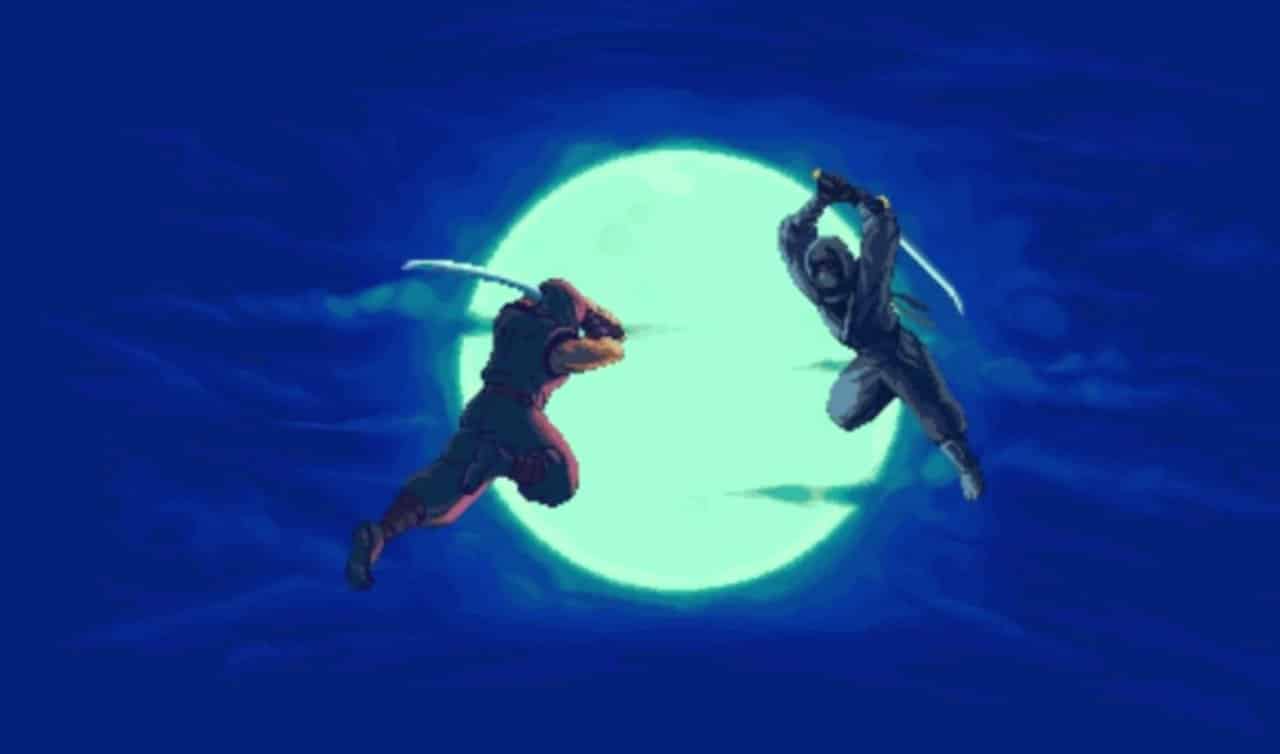
Ninja Gaiden Ragebound, released on July 31, 2025 for PC, Nintendo Switch, PlayStation 4, PlayStation 5, Xbox One and Xbox Series Koei Tecmo, the title returns to the franchise’s 2D roots with modern mechanics that demand absolute precision from the player. The choice reflects the game’s impact in a year marked by two releases in the series, including the ambitious Ninja Gaiden 4. The Arkade portal praises the balance between nostalgia and innovation, positioning Ragebound as a reference in action platformers.
The game features Kenji Mozu, pupil of Ryu Hayabusa, and Kumori, kunoichi from the rival clan Essa dynamic duo drives a narrative told through stylized pixel art cutscenes, reminiscent of 16-bit classics. Plataformas varied by Japão tests reflexes in intense combat and platform sections.
The critical reception reinforces the title’s status, with Metacritic registering 84/100 on PC from 63 reviews and “Very Positivas” ratings on Steam, where it accumulates more than 2 thousand reviews with 94% approval.
New protagonists redefine ninja action
Kenji begins the adventure defending the village Hayabusa while Ryu is away, diving into hand-to-hand combat with a sharp katana. Kumori comes in soon after, adding ranged attacks with kunai and short teleports that expand tactical options. Essa soul fusion allows you to fluidly switch skills, creating devastating combos against demonic hordes.
The ricochet mechanic, known as Guillotine Boost, allows you to bounce off enemies and projectiles to gain height or counterattack. Jogadores report that mastering timing elevates the experience to levels of real ninja mastery.
Combat mechanics demand extreme precision
The Hypercharge system activates an invincible mode by eliminating enemies with colored auras using specific attacks, such as katana for blue ones and kunai for purple ones. Ki collected from foes feeds Spider Weapons powerful powers, such as kama and chakram, to clear crowded screens. Bosses tests all these tools in dynamic arenas with predictable patterns but executed at high speed.
Stages include demonic altars that access alternate dimensions for Kumori puzzles, revealing hidden paths. Ranking by time, kills and combos encourages replays, with talismans unlockable via Golden Scarabs offering buffs or extra challenges.
Development unites tradition and innovation
The Game Kitchen, known as Blasphemous, took on the project after an invitation from Dotemu, consulting Team Ninja for fidelity to the lore. Inicialmente, inspired by 3D entries, opted for classic 80s side-scrolling, prioritizing momentum over complex combos. Sérgio of Prado composed the score, with input from veterans of the original series.
Announced at The Game Awards 2024, Ragebound is part of the “Year of Ninja” in 2025, alongside other titles in the franchise. Physical Edições came out in September via Silver Lining for PS5 and Switch.
Critical reception applauds balance and challenge
IGN awarded it 9/10, highlighting satisfying combat and stunning pixel art that pays homage to the NES. Game Informer called it a “retro revelation” for inventive level design in the 12-hour campaign. Noisy Pixel gave it top marks, praising boss battles and platforming.
Users on Steam praise fluidity and replayability, with unlockable Hard mode raising the difficulty. Críticas minors point to short duration and repetitions in some bosses, but the consensus is that it is a “no frills game”.
- Metacritic PC Score: 84/100 (63 reviews)
- Steam: 94% positive (2,094 reviews)
- Famitsu Japão: 32/40
- Main duration: 5-9 hours; complete: 12+ hours
Visuals and sound capture modern retro essence
Colorful environments range from dense forests to demonic portals like Kû no Tani, with detailed sprites and smooth animations. Cutscenes statics build chemistry between Kenji and Kumori, with light dialogue about honor and rivalry.
The retro rock score drives frenetic sequences, composed to echo the originals while adding modern layers. Efeitos cutting and ricocheting sounds reinforce tactile immersion.
Phases designed for progressive mastery
Initial levels introduce basics like aerial dash and climbing, progressing to gaps that require perfect ricochets. Seções with multiple flying and spiky enemies forces prioritization, while chasms test timing.
Exploration rewards with collectibles that unlock talismans, altering gameplay such as restarts on death or more aggressive enemies. Demon Alters add tension with timers and invisible puzzles.
Each phase culminates in bosses with multiple phases, requiring adaptation of hypercharge and weapons. Jogadores memorize patterns for high scores, turning practice into fluid performance.
Comparison with franchise classics
Unlike intense 3D games like Ninja Gaiden 4, Ragebound echoes the NES with its focus on linear efficiency. Ausência of Ryu allows for fresh narrative, avoiding repetition of exhaustive formulas.
Franchise gains momentum with 2025 as a pivotal year, proving the viability of 2D in an era of open worlds. Ragebound sets benchmark for future licensed indies.
Extra modes extend longevity
Hard mode changes enemy patterns and reduces dodge windows, unlocked post-campaign. Níveis optional pairs of teams increase the challenge, ideal for speedruns.
Steam leaderboards track global best times, fostering community. Assist modes calibrate difficulty for newcomers, maintaining accessibility without diluting essence.
Impact on the action platformer genre
Ragebound revitalizes side-scrollers with modern momentum, influencing indie devs in challenging pixel art. Solid Vendas on Steam, with current discounts at 25%, boost affordability.
Brazilian community celebrates at X, with players sharing boss clears and 1000G. Arkade reinforces its position as essential for fans of precise action.
The title demonstrates that returns to origins can exceed expectations in 2025, a year rich in varied releases. Sua Perfect calibration ensures lasting appeal among platformers.



