
Accident en route to Machu Picchu: train collision causes death of train driver and injuries to 40 passengers By Luís Henrique Costa
4 min read
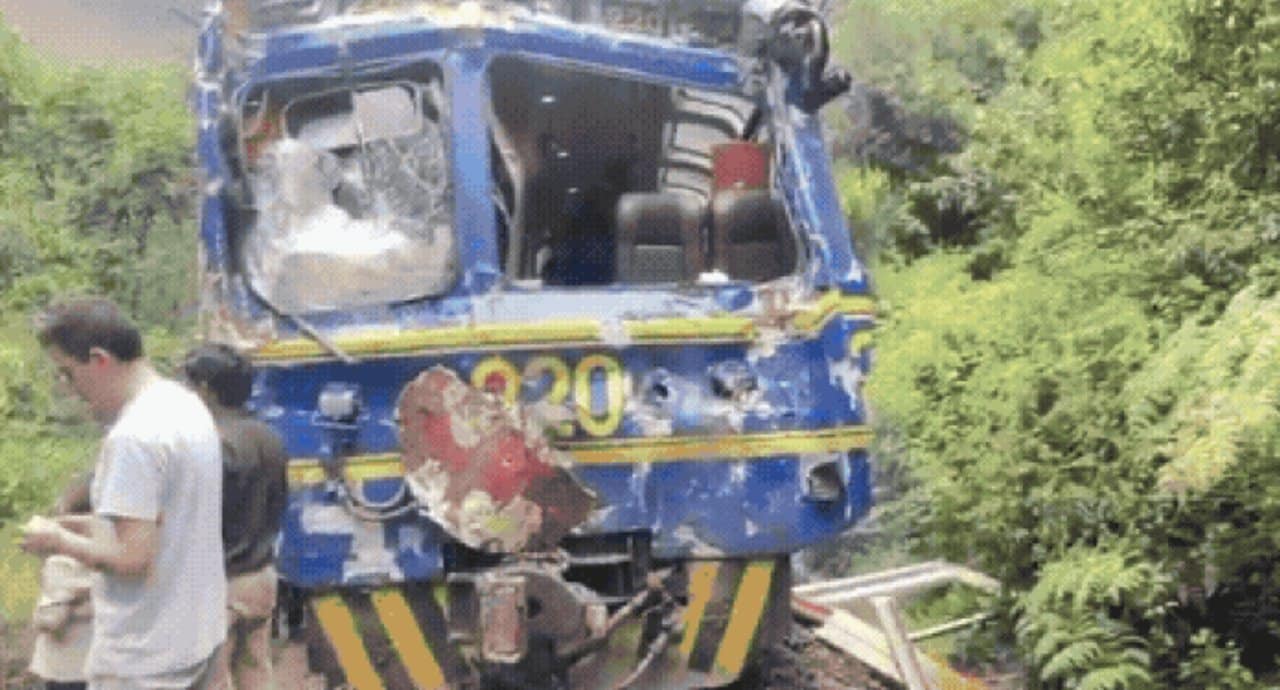 |
A serious head-on collision between two tourist trains on the route to the Inca citadel of Machu Picchu, in the southeast of Peru, resulted in the death of a driver and left at least 40 passengers injured. The incident occurred on the Ollantaytambo-Machu Picchu railway, at Cusco, immediately activating emergency protocols by local authorities and concessionaires.
The episode mobilized rescue teams and investigators to determine the exact causes and responsibilities involved. The accident region, known for being a stretch of high tourist demand, operates under a strict control system to guarantee the safety of the thousands of national and international visitors who pass through daily.
The administrative investigation is underway, aiming to collect detailed information about train operations and track conditions. Este process is essential to prevent future accidents and reinforce railway safety standards on one of the most important and scenic routes in the world.
Railway incident details
The collision between the two trains happened at around 1:20 pm (local time) at kilometer 82 of the railway, in the Piscacucho area. Ferrocarril Transandino S.A. (Fetransa), the concessionaire responsible for managing the stretch, confirmed the time of the incident and the activation of the contingency plan to help the victims.
Ambas the trains involved recognized operating companies, PeruRail and Inca Rail, which transport passengers between Ollantaytambo and the famous archaeological site. The area, which does not have road access, made rescue operations significantly difficult, requiring complex logistics to transport the injured.
Fatal victim and challenging rescue
The only confirmed fatal victim in the accident was the driver Roberto Cárdenas Loayza, aged 61, who was driving the Inca Rail train. The identity of the professional was disclosed, generating consternation in the railway sector and among passengers.
The relief work and removal of the injured represented a great challenge for emergency teams. The remote location of the incident, at km 82 of the railway, prevents direct access by road, forcing first aid to be carried out by park rangers and teams specialized in difficult terrain.
Apesar Despite the geographical adversities, a joint effort was established to take victims to nearby clinics and hospitals for medical care. The lack of space for helicopters to land in the narrow area also impacted the speed of removing victims.
Investigation and government measures
The Ministério of the Transportes and Comunicações (MTC) of the Peru, through the Direção-General of Foram requested detailed information about the operations and technical documentation of the companies involved.
PeruRail’s and Inca Rail’s current insurance policies were also required to assess coverage and support for affected passengers. Transparency in the investigation is essential to determine responsibilities and implement corrective actions, ensuring greater safety on future trips.
Ministério of Cultura (Mincul) and Ministério of Comércio Exterior and Turismo (Mincetur) spoke, declaring that all necessary assistance will be provided to visitors. Isso includes facilitation for rescheduling or refunding tickets for Machu Picchu, in addition to service protocols to safeguard the rights and safety of tourists.
The government response included the activation of specialized units for the rescue operation and the provision of logistical support. Este type of coordination is vital to minimize the impacts of incidents in areas with a large tourist and cultural flow, such as the Cusco region.
In an official statement, Ferrocarril Transandino SA reiterated that the emergency protocol has been fully activated. The company highlighted its commitment to offering adequate assistance to all injured people and collaborating with the authorities in clarifying the facts.
Impact on local tourism
Machu Picchu is the main tourist attraction of Peru and a Patrimônio of Humanidade declared by Unesco in 1983, receiving an average of 4.5 thousand visitors per day. The railway route is the main way of accessing the Inca citadel, making any interruption a factor of great concern for the tourism industry.
Incidentes like this can generate a negative perception about the safety of the destination, temporarily impacting the flow of tourists and the local economy. However, the quick response from authorities and businesses aims to restore trust and demonstrate a commitment to visitor safety.
Machu Picchu: world destination
The Inca citadel of Machu Picchu continues to be a global icon of tourism and history. Sua majestic location in the Peruvian Andes, its impressive stone buildings and historical mystery attract people from all parts of the world, seeking a connection with the ancient Inca civilization. The maintenance of access infrastructure and the security of tourist operations are, therefore, of paramount importance not only for the Peru, but for the preservation of a cultural and natural heritage that transcends borders. Investimentos continued technology and training are essential to ensure the experience of visiting this sacred site remains safe and memorable for future generations of travelers.
Updated security protocols
The 2025 accident investigation focuses on reassessing the safety and maintenance protocols of the railways leading to Machu Picchu, seeking to ensure that operational standards are aligned with international best practices. The review of guidelines and the potential implementation of new rail traffic monitoring technologies are crucial aspects of improving safety and preventing similar incidents from occurring in the future, ensuring the protection of tourists and workers.











