
Jailed Hong Kong tycoon’s teeth rotting and fingernails falling out, daughter warns

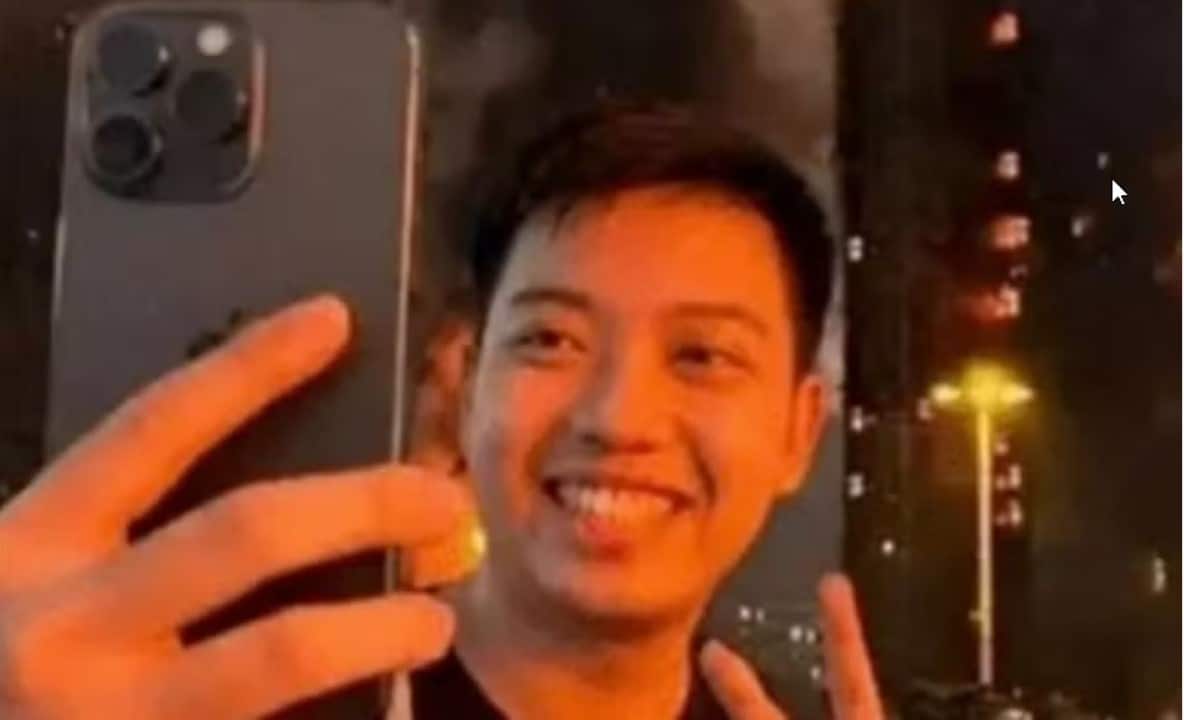
Jailed Jimmy Lai’s daughter warns of father’s rotting teeth and falling fingernails in prison
Hong Kong democracy advocate Jimmy Lai, a prominent media mogul, is experiencing a severe decline in health while imprisoned, according to a recent warning issued by his daughter. His current detention, which began years ago under national security legislation, has drawn significant international scrutiny regarding human rights and press freedom. The family continues to highlight the harsh conditions faced by the 76-year-old in confinement, raising alarms about the adequacy of his care and the long-term impact on his well-being. Concerns extend beyond physical ailments to his mental state, which relatives fear is also deteriorating under sustained isolation.
Deteriorating conditions inside
Reports from Lai’s daughter indicate that his physical health has taken a dramatic turn for the worse within the prison walls. She described alarming symptoms, including his teeth rotting and fingernails falling out, which she attributes to the prolonged lack of proper medical and hygienic care. These revelations underscore the urgent pleas from his family and legal team for improved conditions or, ideally, his humanitarian release, citing his advanced age and pre-existing health vulnerabilities.
The specifics of his medical care remain a critical point of contention, with his family struggling to gain comprehensive access to his health records and ensure independent medical assessments. They assert that the prison authorities have not adequately addressed his specific needs, contributing directly to the observed decline. This situation exacerbates worries among his supporters about the treatment of political prisoners in Hong Kong.
Lai’s legal battles and advocacy
Jimmy Lai, founder of the now-defunct Apple Daily newspaper, was arrested in 2020 and subsequently convicted on various charges, including fraud and unauthorized assembly, before facing a more serious trial under the draconian National Security Law for alleged collusion with foreign forces. His case has become a symbol of the erosion of freedoms in Hong Kong following the law’s implementation, transforming a vibrant media landscape into one marked by censorship and self-restriction. His imprisonment effectively silenced one of the last major pro-democracy voices in the city, sending a chilling message to others.
The legal proceedings against Lai have been widely condemned by international human rights organizations and governments, who view them as politically motivated and a direct attack on press freedom. His defense team has consistently argued that the charges are baseless and designed to suppress dissent, highlighting numerous procedural irregularities throughout his trials. These legal battles represent a broader struggle for the rule of law and fundamental liberties in the special administrative region.
International community’s concerns
Several international bodies and governments have publicly expressed profound concern over Jimmy Lai’s continued imprisonment and the alleged deterioration of his health. Diplomats from various nations have repeatedly called for his release, emphasizing the importance of human rights and media freedom as universal values. The global outcry highlights the perceived injustice of his detention and the implications for Hong Kong’s autonomy.
These appeals often reference the international agreements and commitments made regarding Hong Kong’s status, which are seen as being undermined by such cases. The international community closely monitors developments, viewing Lai’s situation as a barometer for civil liberties in the city. There is a strong consensus that his case represents a significant setback for democratic principles and press independence.
Additionally, human rights groups routinely publish reports detailing the conditions faced by political prisoners in Hong Kong, often featuring Lai’s plight prominently. These reports serve to maintain international pressure on authorities to adhere to international standards of justice. They also document the broader shift in Hong Kong’s political landscape, urging accountability from local and central governments.
Calls for humanitarian release
Given his age and worsening health, numerous calls have been made for Jimmy Lai’s humanitarian release. Supporters and family members argue that continued imprisonment under such conditions amounts to cruel and unusual punishment, particularly for an individual without a history of violent crime. These pleas are often directed at Hong Kong authorities, urging them to exercise compassion and uphold international human rights standards.
The arguments for his release often center on the principle that basic human dignity should be afforded to all prisoners, irrespective of the charges they face. Advocates stress that denying adequate medical care and allowing such severe health deterioration tarnishes the reputation of the justice system. The focus remains on securing a release that allows him to receive proper medical attention and spend his remaining years outside of prison.
Family’s ongoing plea
Jimmy Lai’s family has maintained a consistent and unwavering plea for his freedom and improved conditions. His daughter, along with other family members, regularly communicates with the international media and human rights advocates to keep his case in the public eye. They act as vital channels for information, as direct access to Lai is often restricted, making their warnings particularly significant.
The emotional toll on the family has been immense, as they witness their patriarch’s health decline from a distance. Their public appeals are driven by deep concern for his life and a desire to see justice served, even in the face of daunting legal and political obstacles. They continue to lobby governments and organizations worldwide, hoping to galvanize enough support to effect change in his situation.
They also voice fears for other prisoners who might be facing similar, unpublicized struggles within the penal system. The family’s efforts are thus not solely for Jimmy Lai but extend to advocating for transparency and better treatment for all detainees in Hong Kong. Their resilience in the face of adversity has made them powerful symbols of resistance.
Broader implications for press freedom
The case of Jimmy Lai extends far beyond the individual, serving as a stark warning about the state of press freedom in Hong Kong and other regions under similar national security legislation. His plight illustrates the severe consequences journalists and media owners can face when challenging powerful state narratives. The situation sends a chilling message to others who might consider independent reporting or critical commentary.
The global media landscape watches closely, noting the tactics employed to silence dissenting voices and curb journalistic endeavors. His imprisonment underscores a troubling trend where freedom of expression is increasingly curtailed, impacting the ability of citizens to access diverse information and hold power accountable. This ongoing suppression fundamentally alters the nature of public discourse and democratic participation.
Jimmy Lai, Hong Kong, prison health, press freedom, democracy advocate, Hong Kong human rights


