

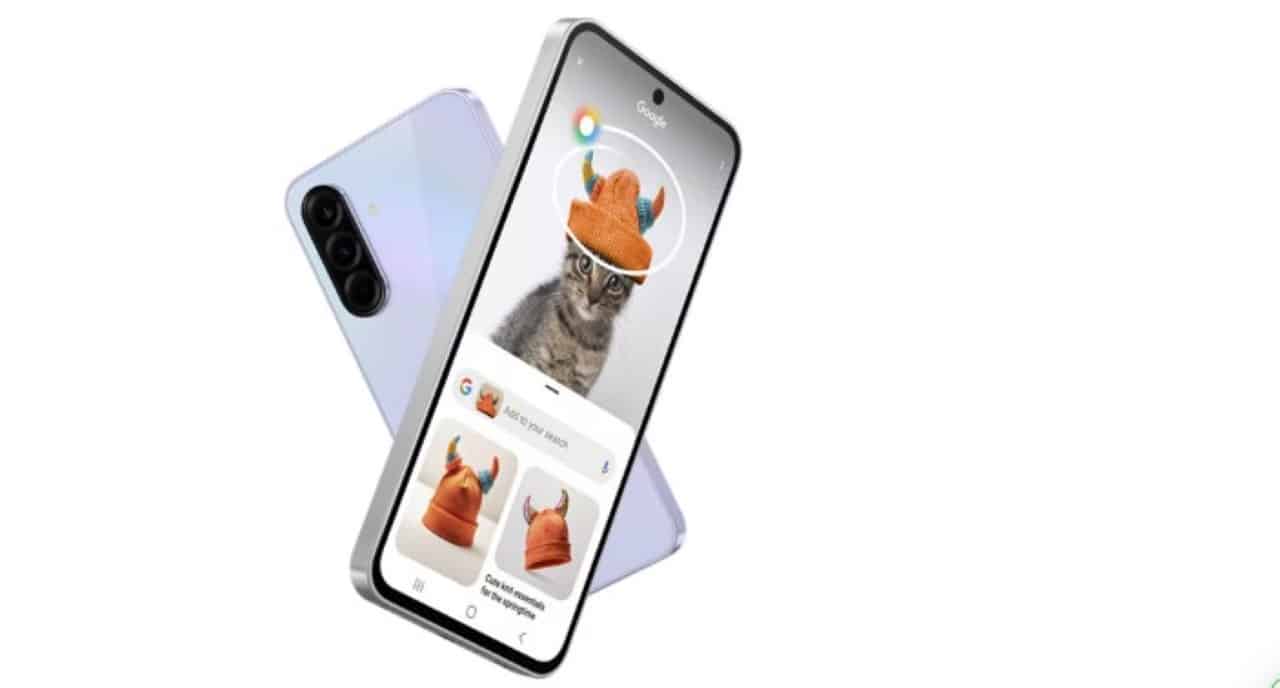
The mid-range smartphone market is preparing for a fierce battle in 2025, with Samsung, Motorola and Xiaomi positioning their main launches to dominate the best value for money category. Technology giants are betting on models that promise to deliver premium features at more affordable prices, focusing on specific niches of consumers looking for everything from gaming performance to high-quality cameras and sophisticated design.
Among the main competitors that are already emerging as favorites are the Samsung Galaxy A56, the Motorola Moto G86 and the POCO X7 Pro, from Xiaomi. Cada one of these devices was designed with a clear strategy to attract different user profiles, balancing cutting-edge specifications, such as high refresh rate screens, efficient processors and long-lasting batteries, with a competitive final value.
The expectation is that the prices of these devices will be in a competitive range, making the purchasing decision even more challenging for the consumer. Brands seek to solidify their positions in one of the most profitable and sought-after segments of the industry, where innovation and fair prices are determining factors for sales success.

Galaxy A56: the balance between design and longevity
The Samsung continues its tradition of refining the Galaxy A line, and the A56 arrives as a natural evolution, focusing on durability and long-term usage experience. The model maintains the brand’s premium visual identity, with an elegant finish and IP67 certification for water and dust resistance, an important differentiator in the mid-range category.
The Galaxy A56’s biggest asset is the promise of up to six years of updates to the Android operating system, ensuring that the device remains secure and has access to new features for much longer. Essa extended support policy positions the device as a solid investment for those who do not plan to change their cell phone annually.

Equipped with the Exynos 1580 processor, the device is optimized for everyday tasks and multitasking without compromising energy efficiency. The 6.7-inch Super AMOLED screen offers vibrant colors and deep blacks, ideal for consuming multimedia content, while the 50 MP main camera with optical image stabilization (OIS) promises sharp and stable photos in various lighting conditions.
The long-lasting battery, combined with fast charging, completes the package, making the Galaxy A56 an extremely balanced option for the average user who values design as much as reliability and ongoing software support.
Moto G86: the bet on screen and multimedia
The Motorola, in turn, targets the Moto G86 at consumers who prioritize visual experience and entertainment. The device stands out for its high-resolution P-OLED screen with a high refresh rate, providing fluid navigation and superior immersion in videos and games. The quality of the display is complemented by a stereo audio system with Dolby Atmos technology, creating an immersive sound environment.
Internally, the Moto G86 is powered by a modern processor that balances performance and power consumption, ensuring that streaming applications and casual games run smoothly. The Motorola also features a versatile camera set, with a high-resolution main sensor that accurately captures details and auxiliary lenses that offer flexibility for wide-angle and macro photos. The robust battery, a trademark of the Moto G line, ensures autonomy for a full day of intense use, with TurboPower charging support for quick recharges.
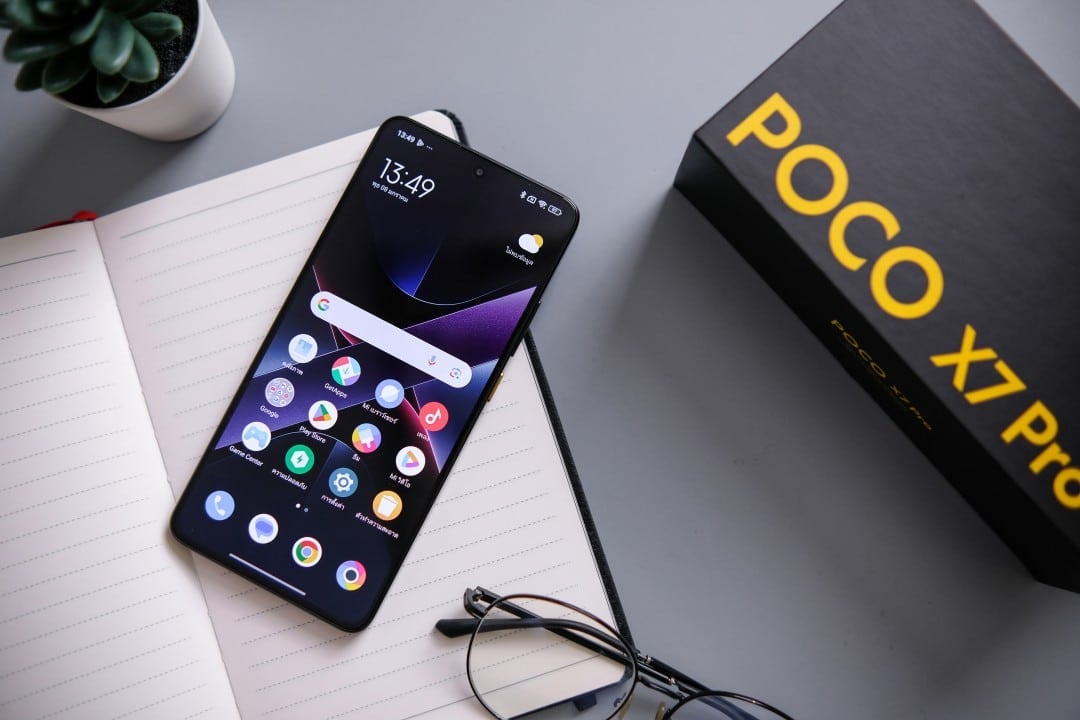
POCO X7 Pro: raw power for the gamer audience
Xiaomi, through its sub-brand POCO, reaffirms its commitment to the gaming public and performance enthusiasts with the POCO X7 Pro. Este model was designed to deliver the maximum possible performance in its price range, being equipped with a high-performance processor and an advanced cooling system to prevent overheating during long gaming sessions.
The device’s AMOLED screen not only offers vibrant colors, but also an extremely high touch response rate, a crucial factor for accuracy in competitive games. The design of the POCO X7 Pro is bold and designed for ergonomics, making it easier to hold during intense use.
In addition to its performance, the smartphone stands out for its large capacity battery with support for ultra-fast charging, allowing the user to get back to action in just a few minutes. The inclusion of IP68 certification, which guarantees superior protection against water and dust, is a notable advancement for the range and adds an extra layer of durability to this powerful device.
Comparative analysis of key features
When placing the three models side by side, the strategic differences between each manufacturer become evident. The Galaxy A56 wins points for build quality, unparalleled software support, and the reliability of the Samsung ecosystem. It is the ideal choice for those looking for a device to last for many years.
The Moto G86 attracts with its multimedia appeal, with a superior screen and immersive sound system, as well as a cleaner Android interface and the characteristic gestures of the Motorola. Seu focus is on providing the best content consumption experience.
Pricing strategy and market positioning
The expected price range for these releases, which should vary between R$1,700 and R$2,200 at launch, puts them on an intense battlefield. The Galaxy A56 should position itself at a slightly higher value, justified by extended software support and brand strength. The Já, the Moto G86 and the POCO X7 Pro should compete more directly on price, with the Motorola focusing on the general user and POCO targeting the performance niche. The trend is that, throughout 2025, values will adjust with retail promotions and offers, making these devices even more attractive options. Essa competition directly benefits the consumer, who will have access to advanced technologies without having to invest in a top-of-the-line model, consolidating the intermediate segment as the most dynamic and innovative on the market.
Decisive factors for consumer choice
The final decision will depend on each user’s profile. Aqueles who value security, constant updates and an integrated ecosystem will find the Galaxy A56 the safest option. Consumidores who use their cell phone as their main entertainment tool, to watch series and videos, will be more attracted to the screen and sound of the Moto G86. Finally, the POCO X7 Pro is the undisputed choice for those who demand maximum performance for games and heavy tasks.
5G connectivity as standard in the segment
A common point between the three devices is the native support for 5G technology. Isso demonstrates that high-speed connectivity is no longer an exclusive feature of more expensive models and has become an essential standard in the mid-range segment, ensuring that users are prepared for the future of mobile networks.
This democratization of 5G, combined with advances in processing, cameras and screen quality, reinforces that the cost-benefit category in 2025 will offer unprecedented added value, elevating the user experience to a new level.



