
BYD surges past Tesla in 2025 projections, set to claim top spot as world’s leading EV seller

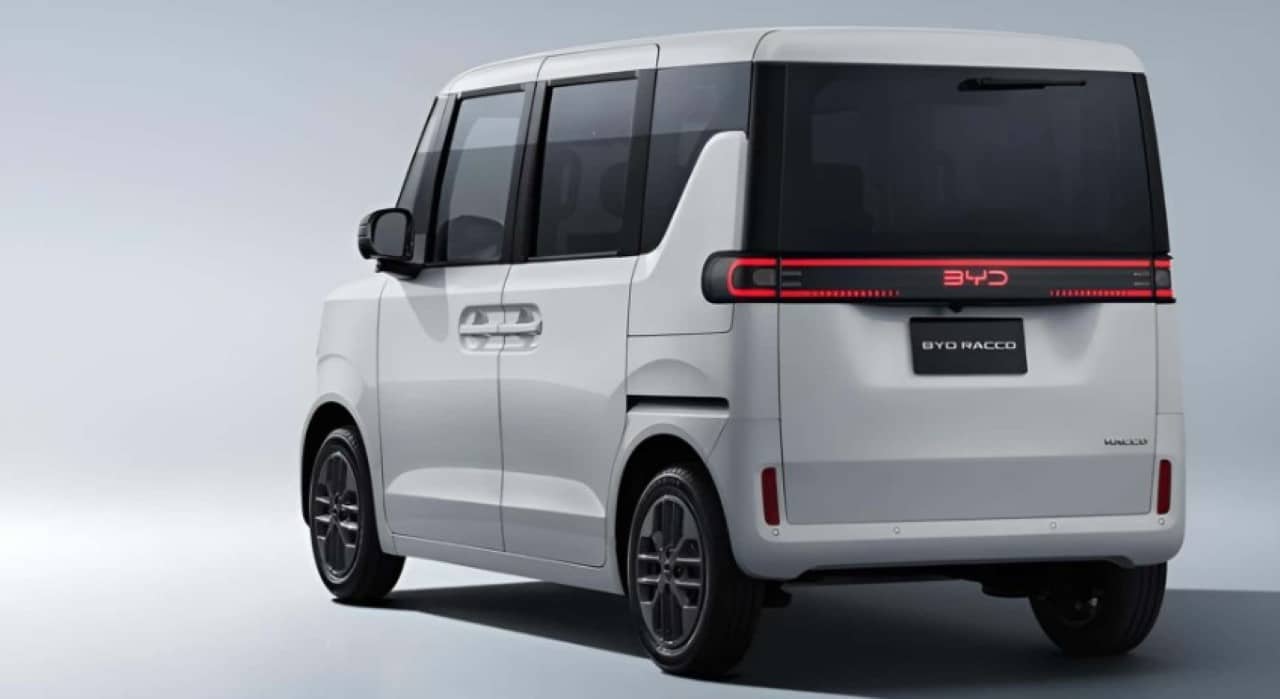
The global electric vehicle market is witnessing a significant power shift as China’s BYD is projected to surpass Tesla as the world’s largest EV seller by annual volume in 2025. This landmark achievement would mark the first time a Chinese automotive firm outpaces its American rival in this rapidly expanding sector, signaling a pivotal moment for the industry’s future trajectory. Analysts and market observers point to BYD’s aggressive expansion, diverse product portfolio, and strategic pricing as key factors driving this monumental ascendancy. The company’s robust manufacturing capabilities and a strong foothold in the largest EV market, China, further bolster its position for sustained leadership.
Shifting market dynamics for electric vehicles
The competition between BYD and Tesla has intensified dramatically over the past year, with both companies pushing boundaries in technology, production, and market penetration. BYD’s rise is not merely about sales volume but also reflects a broader trend of increasing competitiveness from Asian manufacturers in the global automotive landscape. This shift signals an evolving consumer preference and a greater appetite for a wider range of electric vehicle options beyond traditional market leaders.
BYD’s growth strategy has focused heavily on expanding its international presence, particularly in European and Southeast Asian markets, where demand for electric mobility is rapidly accelerating. The company offers a broad spectrum of EVs, from compact sedans to luxury SUVs, catering to a diverse customer base. This comprehensive approach contrasts with Tesla’s more concentrated model lineup, providing BYD with a broader appeal in various segments.
BYD’s strategic market expansion
BYD’s success can be attributed to its integrated business model, which includes in-house battery production, semiconductors, and electric powertrains. This vertical integration provides significant cost advantages and greater control over its supply chain, enabling more competitive pricing and faster innovation cycles. The company has also invested heavily in research and development, particularly in battery technology, which remains a critical component in EV performance and cost.
The firm’s expansion into new territories is backed by substantial investments in local manufacturing facilities and charging infrastructure partnerships. These efforts aim to reduce logistical costs and circumvent potential trade barriers, ensuring a smoother market entry and long-term sustainability. BYD’s commitment to localized production helps it to adapt quickly to regional consumer demands and regulatory environments, fostering stronger brand loyalty and market acceptance.
Tesla’s ongoing innovation focus
Despite BYD’s projected lead in sales volume, Tesla continues to maintain its strong brand identity and reputation for innovation, particularly in software, autonomous driving technology, and premium performance. The American automaker’s focus on groundbreaking features and direct-to-consumer sales model has cultivated a loyal customer base and driven significant advancements in the EV ecosystem. Tesla’s supercharger network, for instance, remains a critical advantage in many markets, offering unparalleled convenience for its vehicle owners.
However, Tesla faces increasing pressure to diversify its offerings and lower price points to compete effectively with new entrants like BYD, which offer more accessible EV models. The company’s future growth hinges on successful rollouts of upcoming models and the continued refinement of its advanced driver-assistance systems. Maintaining a competitive edge will require balancing innovation with market accessibility in the evolving EV landscape.
Global EV market trends impacting manufacturers
The global electric vehicle market is characterized by intense competition and rapid technological advancements, pushing manufacturers to innovate constantly. Government incentives, evolving regulations, and growing environmental awareness are fueling a surge in EV adoption worldwide. This dynamic environment presents both immense opportunities and significant challenges for all players in the sector.
* Increased battery energy density and faster charging speeds are becoming standard.
* Software-defined vehicles are gaining prominence, allowing for over-the-air updates and new features.
* The expansion of public charging infrastructure is crucial for mass adoption.
* New materials and manufacturing processes are reducing production costs.
Consumer preference and accessibility drive sales
Consumer preferences are increasingly shifting towards more affordable and practical electric vehicle options, a segment where BYD has made considerable inroads. While premium features and cutting-edge technology remain attractive, accessibility and cost-effectiveness are becoming pivotal factors for many first-time EV buyers. This trend is particularly evident in emerging markets, where economic considerations play a crucial role in purchasing decisions.
BYD’s strategy of offering a wide array of models across different price points has resonated well with this growing segment of the market. The ability to provide quality electric vehicles that are within reach for a broader demographic has significantly contributed to its escalating sales figures. This focus on affordability, coupled with reliable performance, positions BYD strongly for continued market penetration.
Future outlook for electric vehicle competition
The competition between BYD and Tesla is expected to continue shaping the future of the electric vehicle industry. While BYD’s potential sales leadership marks a significant milestone, both companies are crucial drivers of innovation and market growth. Their strategies, whether focused on volume and affordability or premium technology and experience, contribute to the rapid evolution of electric mobility globally. The coming years will reveal how these titans adapt to changing consumer demands, technological breakthroughs, and the intensifying race for market dominance.



