
Maduro proposes drug fight talks, offers US oil access, details ‘respectful’ Trump call in New Year’s interview

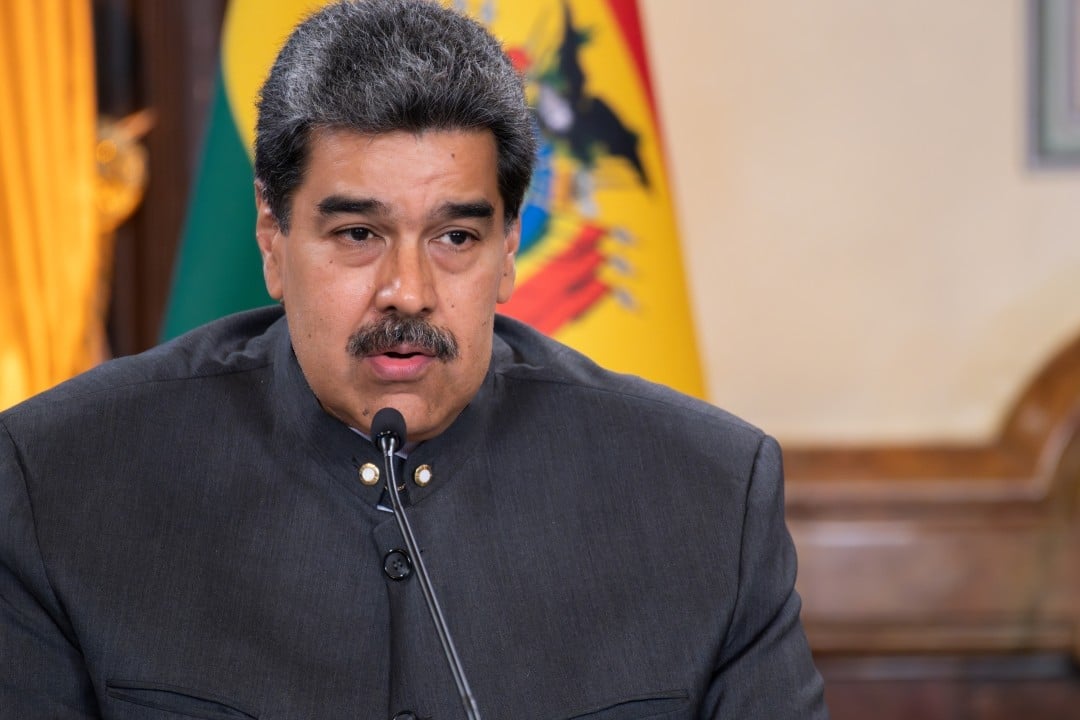
Venezuelan President Nicolás Maduro recently extended a comprehensive proposal to the United States, calling for serious negotiations to combat drug trafficking and offering facilitated access for American companies to the nation’s vast oil reserves. These overtures emerged during an exclusive interview with Spanish journalist Ignacio Ramonet, recorded on New Year’s Eve and broadcast on Venezuelan state television on January 1st, 2025.
Maduro utilized the platform to detail a significant phone conversation he had with former US President Donald Trump, characterizing the exchange as “respectful.” This disclosure offers a nuanced perspective on bilateral relations amid persistent geopolitical tensions.
The Venezuelan leader’s latest move suggests a potential shift in Caracas’s diplomatic tone, contrasting with heightened military postures and mutual accusations that have defined the relationship between the two nations in recent years.
Renewed overtures for dialogue and resources
During the extensive interview, President Maduro specifically articulated Venezuela’s readiness for substantial discussions with Washington on tackling illicit drug trade. He emphasized that his government possesses concrete information and is prepared to engage seriously on this matter, underscoring a commitment to addressing a shared regional challenge.
Simultaneously, Maduro extended an invitation for increased American investment in Venezuela’s energy sector. He explicitly mentioned the readiness to welcome US companies, such as Chevron, offering flexible terms regarding “when, where, and how” they choose to invest in the country’s oil industry. This pragmatic approach signals an openness to economic engagement despite past friction.
Recalling the respectful call with Trump
Maduro recounted the precise details of his sole conversation with Donald Trump, stating the call occurred on Friday, November 21st, 2024. He specified that Trump initiated the call from the White House, reaching him at the Miraflores Palace in Caracas for a ten-minute exchange.
The Venezuelan leader highlighted the interaction as “respectful, very respectful.” He noted Trump’s opening address, “Mr. President Maduro,” and his reciprocal greeting, “Mr. Presidente Donald Trump,” as a key indicator of recognized authority during the interaction.
Despite subsequent developments being “not pleasant,” Maduro expressed a certain level of satisfaction with the dialogue itself. He consistently referred to Venezuela as a “sister country” and a “friendly government” to the United States.
Asserting national sovereignty amidst military tensions
The recent diplomatic proposals arrive against a backdrop of escalating tensions, including a significant US military buildup in the southern Caribbean. Former President Trump previously labeled Maduro’s administration “illegitimate” and accused it of operating a “narco-state,” even threatening his removal. Maduro vehemently refutes these allegations, asserting that his government maintains no ties to criminal enterprises. He claims US efforts are a thinly veiled attempt to gain control over Venezuela’s immense oil reserves and rare mineral deposits, reinforcing Caracas’s stance on national sovereignty. In a prior statement, Maduro advised Trump to focus on internal US challenges, declaring, “Honestly, if I speak to him again, I will tell him that everyone should mind their internal affairs.”
Geopolitical backdrop and accusations
Trump’s accusations of an “illegitimate” and “narco-state” regime in Venezuela have been a consistent feature of US policy towards Caracas. These claims have significantly strained diplomatic relations and led to a series of sanctions aimed at isolating Maduro’s government.
In response, Maduro has consistently denied any links to criminal activities, framing the US stance as an economic and political aggression. He argues that the true motive behind Washington’s pressure is to seize control of Venezuela’s vast natural resources, particularly its extensive oil reserves.
The ongoing US military presence in the southern Caribbean has further fueled these tensions. Maduro views this increased activity as a direct threat to Venezuelan sovereignty and a provocative posture designed to destabilize his administration.
Both nations continue to articulate starkly different narratives regarding the underlying causes of their contentious relationship, highlighting the deep mistrust and divergent strategic interests at play in the region.
A display of confidence in Caracas
A notable segment of the televised interview depicted Maduro in an unusual public setting, driving a car through a militarized zone of Caracas with the journalist in the passenger seat and First Lady Cilia Flores in the back. This scene offered a rare glimpse into the leader’s movements, as he has reportedly reduced public appearances in recent weeks.
Commentators widely interpreted this uncharacteristic display as a deliberate attempt by Maduro to project an image of confidence and control, particularly amidst underlying fears of a potential US attack. The gesture aimed to reassure both domestic and international audiences of his security and stability.
Shifting diplomatic rhetoric
These latest remarks represent a discernible shift in Maduro’s discourse towards the United States, especially following the recent substantial increase in US military presence across the southern Caribbean region. The Venezuelan leader’s renewed emphasis on dialogue aims to de-escalate tensions and foster practical cooperation.
Maduro’s consistent message to the American public, affirming Venezuela as a “sister country” and a “friendly government,” seeks to establish a foundation for direct and serious discussions. He underscores that such dialogue must be based on facts and mutual respect, aiming to overcome past hostilities through practical engagement.
Economic and strategic implications
The offer of facilitated oil access, particularly to companies like Chevron, holds significant economic implications for Venezuela. The nation continues to grapple with international sanctions and requires urgent investment to revitalize its struggling energy sector.


