Donald Trump confirms detention of Nicolás Maduro after US military operation in Venezuela By Luís Henrique Costa
5 min read
 |
A large-scale military operation conducted by the Estados Unidos in Venezuelan territory culminated in the capture of President Nicolás Maduro, as confirmed by the North American President, Donald Trump, this Saturday morning. The information was released through the official social network of Trump, who described the action as successful. Casa Branca reported that Maduro was removed from the country by air shortly after his arrest.
The first lady, Cilia Flores, was also detained along with the president, although their fate remains confidential. The military action represents a significant escalation in tensions between Washington and Caracas, altering the geopolitical landscape of América Latina. The official announcement generated immediate reactions and deepened the political crisis in the South American country.
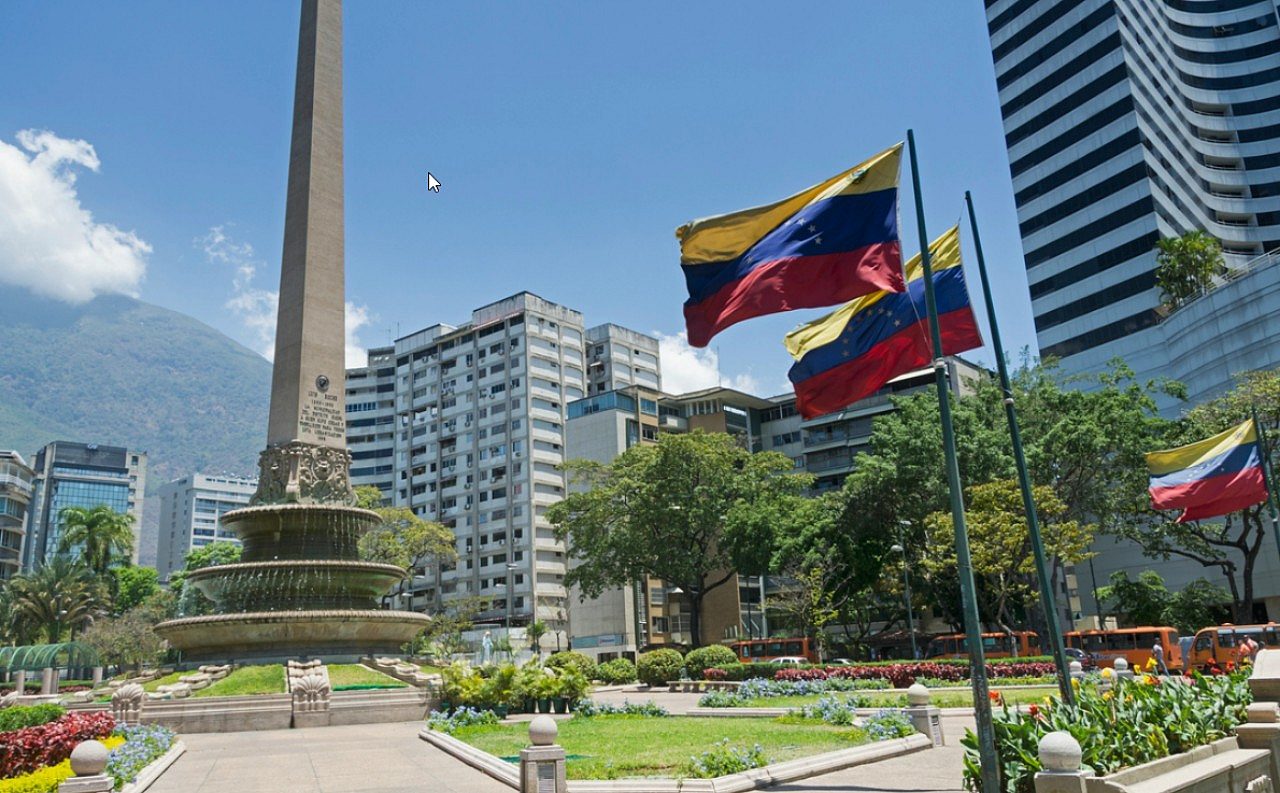
During the night, the capital Caracas was the scene of multiple explosions and intense movement of military aircraft at low altitude. Relatos of residents and news agencies confirmed columns of smoke in several parts of the city, mainly close to strategic government installations. Local infrastructure was affected, generating instability and mobilizing emergency teams.
Operation details and official statement
In his statement, President Donald Trump classified the mission as a strategic victory for the US armed forces, emphasizing the precision of the attack against the Venezuelan command structure. The objective, according to Washington, was to neutralize a leadership considered illegitimate. The operation was meticulously planned to ensure that all primary targets were successfully reached overnight.
The extraction of Nicolás Maduro and Cilia Flores was carried out under tight security, involving ground units and aerial vectors. Apesar after confirming the capture, the American government did not reveal the current location of the Venezuelan leader, promising to release more information at a press conference scheduled for the afternoon. The expectation is that legal justifications will be presented for military intervention in a sovereign country and the next steps of the Trump administration for the transition of power in Venezuela.
Immediate impacts on the capital Caracas
The consequences of the military offensive were felt immediately by the population of Caracas, who experienced a morning of uncertainty. The sequential explosions, which occurred in a short period of time, shook structures in several neighborhoods and caused the interruption of electricity supply in critical areas.
The La Carlota air base, a critical point for military operations, was identified as one of the focus of activities, with reports of a lack of light in its surroundings. The atypical movement of aircraft over the city increased the tension scenario.
Videos circulated on social media showed the consequences of the attacks, with images of columns of dense smoke rising from government and military buildings. Esses records confirmed the intensity of US action on selected targets.
The infrastructure of the Venezuelan capital remains compromised in several sectors, hindering communication and mobility for citizens, who seek to understand the real extent of the damage caused by the foreign operation.
Venezuelan government reaction and emergency measures
The response from the remaining authorities of the Venezuelan government was quick, with the publication of official statements denouncing the aggression and calling on the population and the Forças Armadas to defend national sovereignty. The executive branch classified the attack as an “act of colonial war” and an attempt to appropriate the country’s natural resources.
The “State of Comoção Exterior” was decreed, a measure that grants exceptional powers to the authorities to manage the crisis and organize the defense of the territory. The action aims to guarantee the functioning of institutions and prepare the country for a possible scenario of prolonged conflict.
Vice President Delcy Rodriguez took the lead in official communication, demanding proof of Nicolás Maduro’s life and holding the American government directly responsible for his physical integrity. Rodriguez stated that he did not know the president’s whereabouts and demanded transparency about where he was taken.
Context of tensions and diplomatic background
This Saturday’s operation is the climax of an escalation of diplomatic and economic pressures that have intensified in recent months. In August of the previous year, the US government increased the reward for information leading to the capture of Maduro to 50 million dollars. Essa measure was accompanied by a reinforcement of the American military presence in Mar from Caribe, officially to combat drug trafficking, but which served as a logistical base for the current intervention. Attempts at direct dialogue between Trump and Maduro, in November, failed, as the Venezuelan leader refused to negotiate his departure from power. Esse impasse strengthened the wing of the American administration that defended a military solution. Adicionalmente, Washington designated the “Cartel de los Soles”, allegedly led by Maduro, as a terrorist organization, providing a legal pillar for the action. Analistas also point to strategic interest in Venezuela’s vast oil reserves as an underlying factor, in line with recent seizures of Venezuelan oil tankers.
Street scene and local reports
Residents of Caracas described moments of great tension, with the sound of explosions echoing through the city and breaking the early morning silence. The lack of accurate information led many to take shelter in their homes, fearing further attacks. The interruption of electricity in vast areas of the capital worsened the feeling of isolation and made communication difficult.
Witnesses reported the obvious presence of fighters and military transport aircraft crossing the skies, indicating a highly complex operation. Smoke visible at strategic points served as a constant reminder of the gravity of the situation, while rumors about the extent of the damage spread quickly among the population.
Perspectives and regional security
The capture of a sitting head of state by foreign military forces sets a complex precedent for international relations on the continent. The unilateral action of the Estados Unidos is expected to provoke diverse reactions among countries in the region, dividing opinions between supporters of the removal of Maduro and critics of the violation of Venezuelan sovereignty.
The stability of América of Sul is entering a critical phase, with the risk of the crisis spreading to neighboring nations. The Venezuelan government maintains its defense position and warns of the possibility of an asymmetric war, suggesting that resistance may involve not only the regular army, but also militias and armed civilian groups.
Next steps for Washington
The American administration maintains secrecy over the fate of Nicolás Maduro, a factor that adds a layer of uncertainty to the already volatile political scenario. Espera The press conference promised by Washington is expected to clarify not only the operational details, but also the plans for the future of