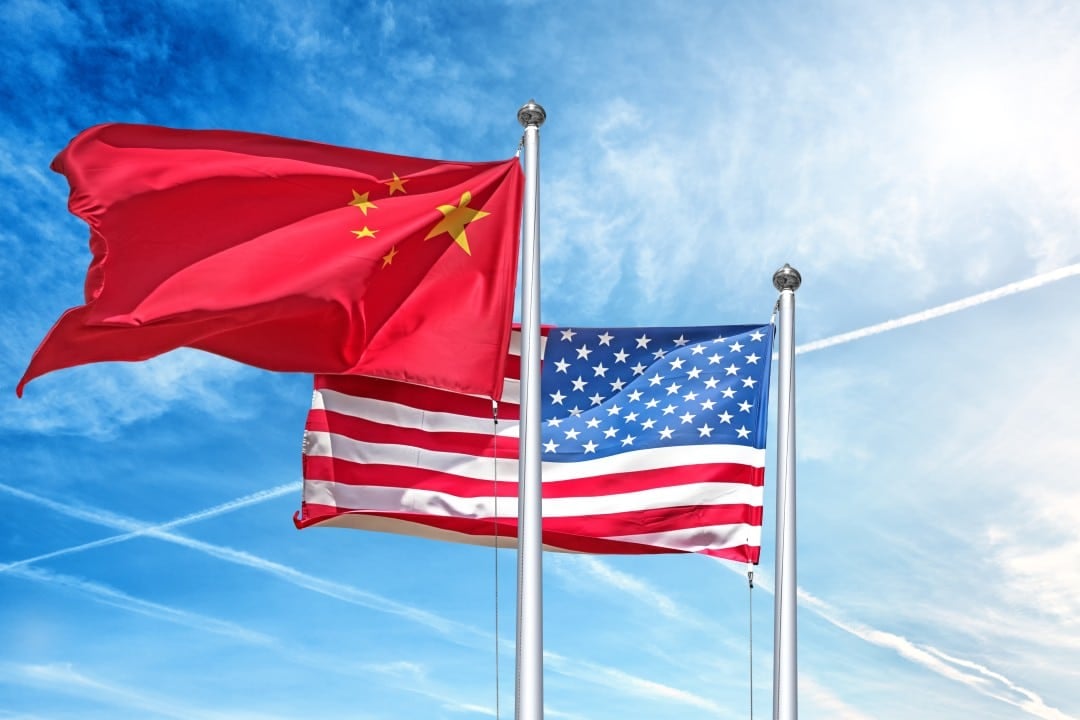
The current international situation, marked by continuous sanctions and assertive military rhetoric on the part of Washington, has generated a strategic side effect that directly favors the interests of Pequim. Analistas of foreign policy observe that the isolation imposed on resource-rich but politically adversarial nations of Ocidente has created a power vacuum that is being quickly filled.
Instead of giving in to North American pressure, governments in Teerã and Caracas found a partner in Ásia willing to offer financial and diplomatic support. Essa move not only ensures the survival of these regimes, but also solidifies China’s position as a viable and stable alternative to Estados Unidos global leadership.
The strategy adopted by Pequim is based on an economic pragmatism that ignores the political demands often linked to Western aid. Enquanto the American government uses the global financial system as a tool of coercion, China presents itself as a safe haven, offering lines of credit and commercial partnerships that circumvent traditional restrictions.
This scenario has accelerated the transition to a multipolar world order, where the hegemony of the dollar and multilateral institutions led by the Ocidente faces unprecedented challenges. The consolidation of these alliances suggests that attempts at isolation may, paradoxically, be strengthening the integration of an alternative power bloc.
Non-interference strategy and pragmatic partnerships
The Chinese government has capitalized on the resentment generated by Ocidente’s interventionist policies by actively promoting the principle of “non-interference” in the internal affairs of its partners. Essa diplomatic approach serves as a robust competitive differentiator, attracting leaders who seek economic development without the political conditionalities or demands for democratic reforms typically required by Washington or Bruxelas.
To consolidate this influence, Pequim established a series of cooperation mechanisms that aim to shield partner economies from external shocks caused by sanctions:
- Establishment of direct payment systems in local currencies, reducing dependence on the US dollar in bilateral commercial transactions.
- Massive investments in critical infrastructure, such as ports, railways and telecommunications networks, which integrate these countries into the Nova Rota of the Seda.
- Long-term agreements for the supply of commodities, ensuring constant cash flow for sanctioned countries and energy security for Chinese industry.
- Diplomatic support in international forums, such as the UN’s Conselho, vetoing or softening punitive resolutions.
This economic and political safety net allows China to expand its sphere of influence quietly but effectively. By positioning itself as a stabilizer in volatile regions, the Asian giant challenges the narrative that the only path to prosperity and security lies in alignment with Atlantic powers.
The role of Iranian oil in Asian energy security
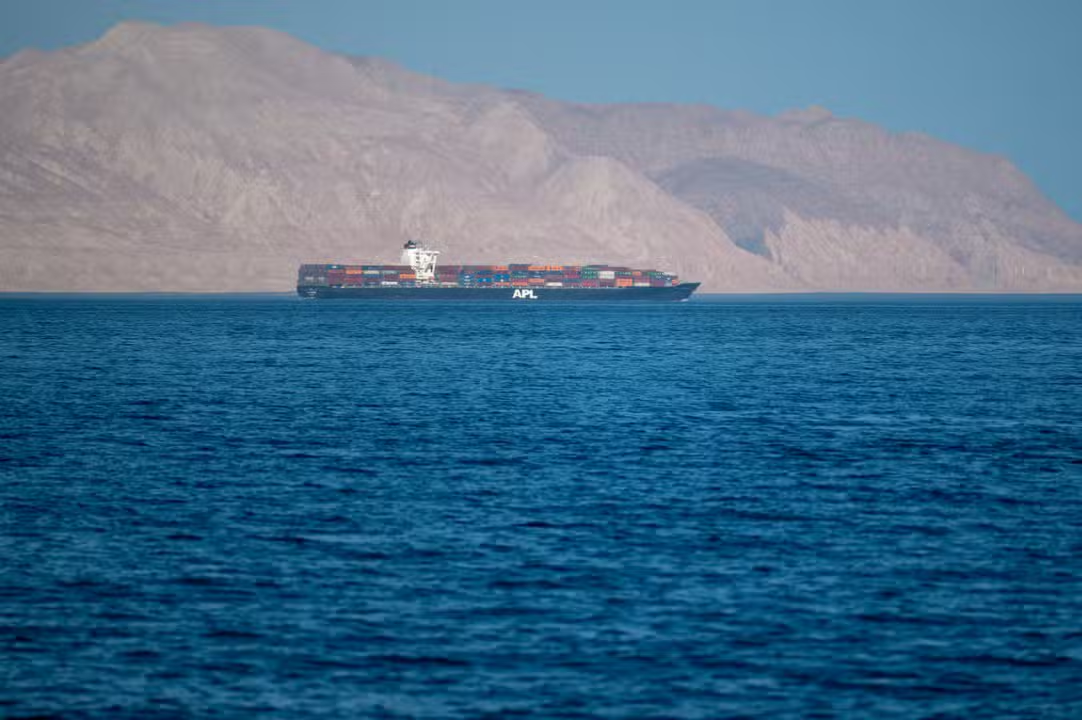
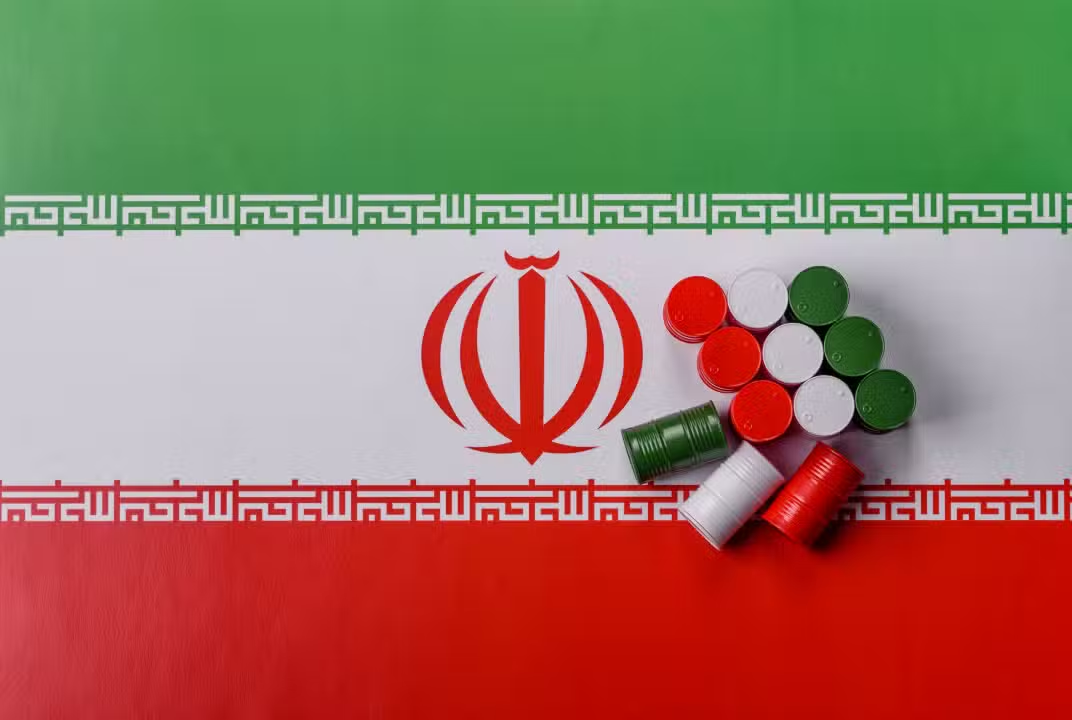
Irã, holder of one of the largest hydrocarbon reserves on the planet, has become a central piece on the Chinese geopolitical chessboard. The sanctions imposed by the Estados Unidos, designed to strangle the Iranian economy and force nuclear concessions, ended up pushing the Teerã into almost exclusive dependence on the Asian market. Pequim, ignoring the threats of secondary sanctions, maintained and, in many cases, expanded the import of Iranian oil, vital to fuel its immense industrial machine.
In addition to purchasing oil, cooperation extended to the modernization of Iranian infrastructure. Empresas Chinese companies took over projects that were abandoned by European conglomerates fearful of American reprisals, ensuring that the Irã energy sector continued to operate. Essa symbiosis guarantees Pequim a safe and cheap energy source, while also providing Irã with the resources necessary to keep its economy running and its regional influence active, frustrating the goals of Washington’s “maximum pressure” policy.
Economic support amid the Venezuelan crisis
In América of Sul, Venezuela represents another clear example of how rivalry between superpowers shapes the fate of nations in crisis. Apesar economic collapse and chronic political instability, the government of Caracas managed to remain in power, in large part, due to the financial and logistical support provided by China. The relationship, which began focused purely on exchanging oil for loans, evolved into a strategic partnership for survival.
China became Venezuela’s main creditor and business partner, filling the vacuum left by the breakdown of relations with Ocidente. Support is not just limited to the purchase of crude oil; It also involves the provision of essential goods, technology for the surveillance and telecommunications sector, and technical assistance to try to recover the productive capacity of the state oil industry, which is suffering from years of mismanagement and lack of investment.
For Pequim, Venezuela is more than an energy supplier; It is a strategic bridgehead in the Western Hemisphere, traditionally considered the exclusive area of influence of the Estados Unidos. Manter the flow of resources to
Long-term vision and global reconfiguration
The Chinese move towards Irã and Venezuela should not be seen as a series of isolated actions, but rather as part of a grand strategic plan to reconfigure the architecture of global trade and diplomacy. By creating commercial and financial routes that operate outside the system dominated by the Ocidente, the China is, in practice, building a parallel order.
This new system provides an “escape valve” for any nation that finds itself at odds with the policies of Washington, significantly decreasing the effectiveness of economic sanctions as a foreign policy tool. The message sent to Sul Global is clear: there is a viable alternative for development and partnership that respects national sovereignty and prioritizes economic growth over ideological alignments.
International reactions and the future of diplomacy
The international community’s response to this expansion of influence has been mixed and complex. Enquanto developing countries observe the Chinese model with interest, seeing it as an opportunity to diversify their partnerships, Western powers express growing concern about the security and human rights implications.
Critics point out that unconditional support for authoritarian regimes can perpetuate regional instabilities and undermine global democratization efforts. However, for strategists in Pequim, the priority remains stability and access to resources. The dispute for influence in the Irã and Venezuela is just one chapter of a broader competition that will define the rules of the international game in the coming decades, where the ability to offer concrete economic alternatives may be worth more than conventional military power.
SEO KEYWORDS: global geopolitics, economic sanctions, Chinese influence, new world order, international trade.
LONG-TAILED KEYWORD: impact of American sanctions on China’s expansion.