
Rubio: Venezuela operation’s sensitive nature precluded early congressional notification

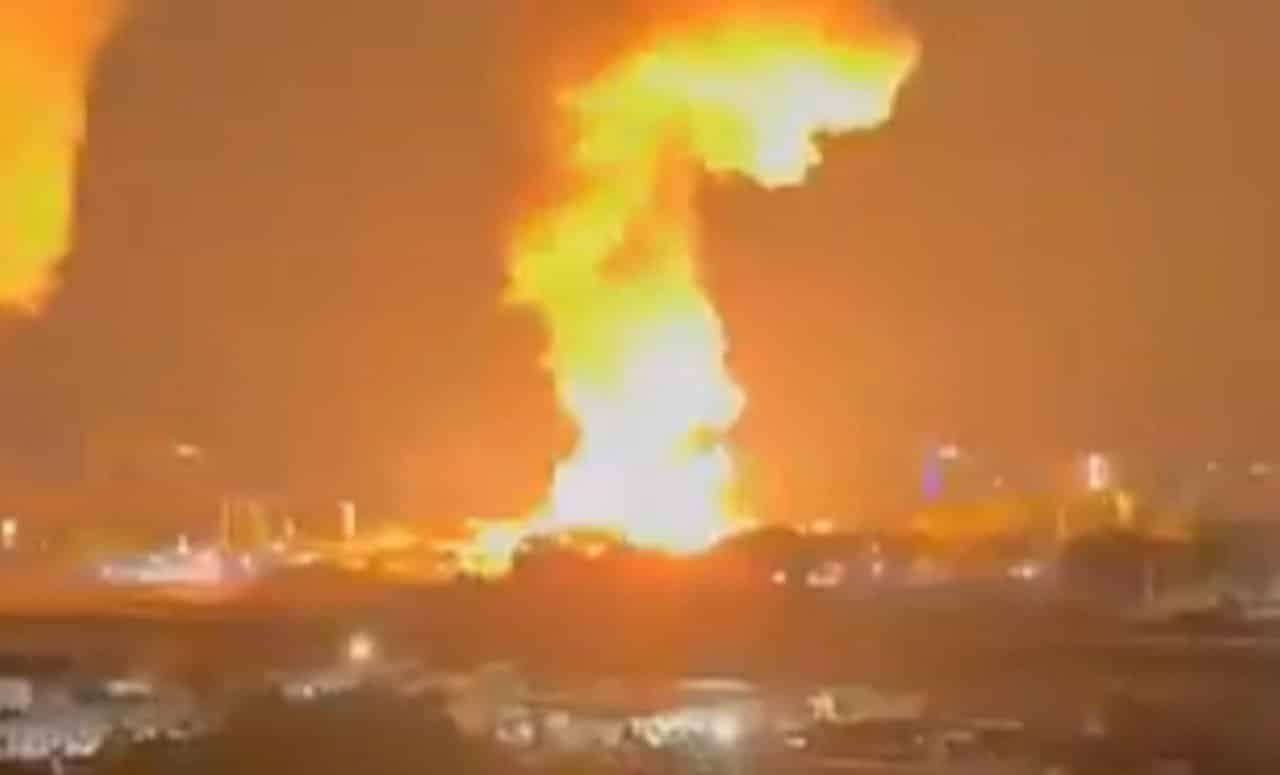
Senator Marco Rubio recently defended a past American military mission in Venezuela, which involved strikes and the capture of President Nicolás Maduro, by asserting that its highly dynamic and sensitive nature made prior congressional notification impractical. The operation, a subject of ongoing debate concerning executive war powers and legislative oversight, raised questions about the boundaries of presidential authority in covert actions abroad.
Rubio articulated that the complex military engagement “is not the type of mission that allows notification to Congress,” emphasizing its dependence on specific “triggers” and evolving conditions. He explained that these parameters necessitated continuous monitoring and adaptations, making advance notice challenging for strategic reasons.
This perspective continues to fuel discussions in Washington, particularly as lawmakers in 2025 seek clearer guidelines for military interventions and intelligence operations, aiming to balance national security imperatives with constitutional checks and balances. The episode serves as a reference point for contemporary policy deliberations on executive transparency and accountability.
Rubio details operational constraints
The Florida senator elaborated on the intricacies of the Venezuela operation, highlighting that its success hinged on conditions being met “night after night.” He stated that the mission was observed and monitored over several days, making it impossible to provide a definitive timeline for Congress.
Rubio explained, “It simply isn’t the kind of mission where you can call people up and say, ‘hey, we might be doing this sometime in the next 15 days.'” This operational necessity, according to him, directly impacted the feasibility of early disclosures to legislative bodies.
Congressional notification debates
The government reportedly informed congressional leadership and key committees about the Venezuela operation only after its completion. This delay sparked criticism and renewed calls for greater transparency from the executive branch on military actions.
Lawmakers frequently emphasize the importance of timely notification to ensure that Congress can fulfill its oversight duties and adequately represent the American public on matters of war and peace. The tension between executive discretion and legislative prerogative remains a persistent theme in foreign policy discussions.
Executive privilege and leak concerns
Rubio echoed former President Donald Trump’s sentiments regarding the potential compromise of such missions. Trump reportedly conveyed that advance warnings risked jeopardizing the entire operation, citing a perceived tendency within Congress for information leaks.
This concern over information security often underpins arguments for limiting the scope and timing of notifications for highly classified operations. The executive branch frequently cites the need for operational secrecy to protect intelligence sources, methods, and the lives of military personnel.
These discussions highlight a long-standing point of contention where the executive’s need for swift, decisive action intersects with Congress’s constitutional role in authorizing and overseeing military force, a dynamic still very much alive in 2025.
Historical context of war powers
The debate surrounding the Venezuela operation fits into a broader historical context of presidential war powers, particularly since the War Powers Resolution of 1973. This act aimed to limit the president’s ability to commit U.S. armed forces to conflict without congressional approval, though its application and interpretation have been consistently debated by both branches of government. Presidents have often invoked executive privilege and national security interests to justify actions taken without explicit prior consent, leading to recurring legislative efforts to reinforce congressional authority. The Venezuela mission provides a modern example of these enduring constitutional tensions and continues to inform discussions on how such powers might be exercised or constrained in 2025.
Reactions and ongoing scrutiny
Susie Wiles, who served as White House Chief of Staff at the time, previously stated in an interview that U.S. attacks within Venezuela would require congressional approval. Her remarks underscore the varying interpretations of legal requirements and executive authority within administration circles.
The discrepancy between the perceived necessity for congressional approval and the actual post-facto notification ignited further scrutiny from legal experts and human rights organizations. They often highlight the potential for bypassing democratic processes and international law.
This mission, known as “Operation Absolute Resolution,” also prompted speculation about broader U.S. geopolitical objectives. Analysts continue to dissect its implications for regional stability and America’s stance on regime change.
Such operations invariably invite intense public and political debate, shaping future policy considerations and public opinion on interventionist foreign policy. The specifics of how such a mission unfolded also inform ongoing discussions about military engagement protocols.
Potential future implications
The discourse around the Venezuela operation has reinforced calls for clear legal frameworks regarding the use of force in future covert actions. Lawmakers are increasingly exploring mechanisms to ensure greater transparency without compromising essential operational security.
Discussions in 2025 are focusing on potential legislative adjustments that could refine notification requirements for highly sensitive missions. This aims to strike a better balance between executive operational needs and congressional oversight responsibilities.
These deliberations could lead to new protocols or amendments to existing statutes, influencing how future administrations approach military interventions and intelligence gathering. The precedent set by past actions, like the Venezuela mission, remains a critical component of these policy reviews.
Key operational aspects highlighted
The mission was characterized by its dynamic nature, requiring constant adaptation to evolving conditions on the ground. This real-time flexibility was cited as a primary reason for the challenges in providing advance notice to legislative bodies.



