US military operation in Venezuela results in the arrest of Nicolás Maduro and paralyzes Caracas By Luís Henrique Costa
5 min read
 |
A large-scale military operation conducted by Estados Unidos forces in Venezuela culminated in the capture of President Nicolás Maduro and the First Lady,
The bombings took place between 2am and 4:30am local time and mainly targeted the capital, Caracas, as well as strategic installations in the states of La Guaira, Aragua and Miranda. The intensity of the operation surprised the population and drastically changed the routine of the main Venezuelan city, which dawned under a climate of strong tension and uncertainty.
Reports from residents indicate that the morning was marked by strong explosions and the constant sound of aircraft flying overhead at low altitude. The operation resulted in explosions that hit strategic military bases, such as Forte Tiuna and La Carlota airport. Além In addition, significant damage was recorded to transport units and anti-missile equipment, while residents in various parts of the capital reported tremors and saw columns of smoke.
The Venezuelan capital under tension
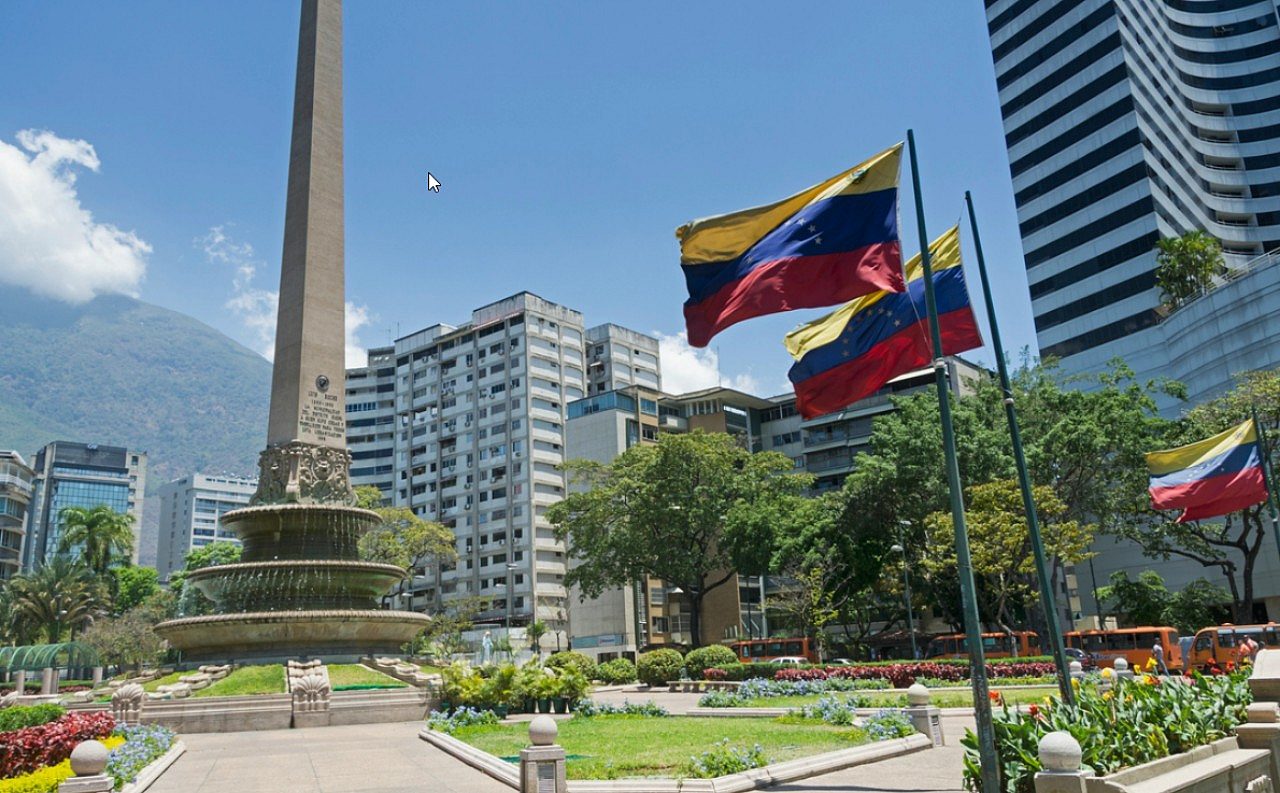
At dawn, Caracas displayed an atypical scenery, with important streets and avenues practically deserted. Fear of new clashes led most residents to remain in their homes in the early hours of the day. Commerce in general, including stores, offices and shopping centers, did not open their doors, reflecting the climate of insecurity that set in after the night attacks.
The feeling of abnormality was reinforced by the overt presence of patrols by Venezuelan security forces, who concentrated in areas close to government buildings and military installations. In neighborhoods like La Guaira, residents described loud bangs that interrupted their sleep and generated a wave of immediate alerts via social media. Aplicativos of messages became the main channel for exchanging information and videos during the early hours of the morning, while some regions of the city faced interruptions in the electricity supply.
The Venezuelan government’s reaction
In direct response to the American operation, the Venezuelan government declared a state of external commotion throughout the national territory. The measure, announced on national television, aims to mobilize defense forces and protect the country’s institutions in the face of what was classified as external aggression.
Vice President Delcy Rodríguez, in a statement on state television, stated that she did not know the whereabouts of Maduro and demanded that American forces present immediate proof of life for the president and his wife. The statement raised concerns about the captured leader’s health.
Simultaneously, the minister of Defesa, Vladimir Padrino López, ordered the activation of all available military resources to guarantee the country’s sovereignty. Chancellor Iván Gil, in turn, announced that he would request an emergency meeting at the UN’s Conselho to formally denounce the intervention.
Race for essential supplies
Despite the initial emptying of the streets, a contrary movement began to be observed throughout the morning. Longas queues of vehicles quickly formed at gas stations that remained open, with drivers seeking to guarantee supply given the uncertainty about distribution in the coming days.
The search for food and basic necessities has also intensified. Mercados and bakeries that decided to operate registered a flow of customers well above normal. Famílias tried to stock up on non-perishable products, water and other basic supplies as a precautionary measure.
This movement contrasted sharply with the widespread closure of other types of commercial establishments, highlighting the population’s priority in guaranteeing essential resources. The rush to gas stations and markets became one of the few signs of activity in a mostly paralyzed city.
The scenario reflected citizens’ adaptation to a new and unpredictable reality, where the guarantee of basic resources overrode initial fear. Uncertainty about political and military developments fueled the need to prepare for a period of possible instability.
Military targets hit in the operation
The air strikes were concentrated on military complexes of high strategic value for the Venezuelan government. Forte Tiuna, the main base of the Forças Armadas and located in Caracas, was one of the most affected locations, with reports of large fires visible from kilometers away.
The La Carlota military airport, also in the capital, was another significant target, showing columns of smoke after being directly hit. Access to these zones was immediately restricted by Forças Armadas barriers, while the Interior minister, Diosdado Cabello, confirmed the occurrence of deaths among military and civilians, stating that the casualty count was still ongoing.
Popular mobilization and information control
In response to the capture of Nicolás Maduro, groups of militants and public officials began heading to official buildings in different states across the country, in a clear show of support for the government. State television broadcasts began showing images of protesters demanding the president’s immediate release and condemning the American action. In neighborhoods historically aligned with Chavismo, armed civilian militias were seen occupying the streets, increasing tension in specific parts of the capital. Enquanto That said, most of the city remained with minimal movement of people, with the population following events through state channels and social media, which became an informational battlefield, with the rapid dissemination of videos, audios and reports about the situation in real time.
The context of American intervention
The military operation was not an isolated act, occurring after months of escalating diplomatic and political tensions between Washington and Caracas. The Estados Unidos government had been increasing pressure on the Venezuela, with accusations of high-level Venezuelan government involvement in drug trafficking activities.
These accusations served as the basis for offering a million-dollar reward for information leading to the capture of Maduro. In its social media announcement, Donald Trump described the action as “highly successful” and promised to provide more details at a press conference scheduled for the afternoon of the same day.
Details of affected areas
In addition to the capital, regions such as La Guaira and Aragua also registered strong military activity. Moradores of these areas reported intense detonations during the early hours of the morning, and videos circulated on social media showed alleged fires at port facilities and local military bases, indicating that the operation was comprehensive and aimed to neutralize the response capacity of Venezuelan forces in multiple strategic points in the country.