Self-charging hybrid vehicles, also known as “full hybrids”, are consolidating themselves as a dominant force in the global automotive market, with even greater growth projections for 2026.
Several manufacturers, such as Toyota, Kia, Hyundai and Renault, are intensifying their investments and updating their lines with increasingly advanced and efficient technologies. The main advantage for the consumer is the smooth transition to electrification, combining the practicality of conventional supply with a significant reduction in operational costs and environmental impact, especially in urban centers.
Market preference is mainly divided between compact and medium SUVs, which meet the needs of families with more internal space and generous trunk, and smaller utility models, ideal for daily use in cities due to their agility and even lower consumption. Fierce competition also favors the emergence of new brands with highly competitive price proposals.

Excellent cost-benefit SUV options
In the entry-level segment for hybrid SUVs, the MG HS Hybrid+ positions itself as an attractive choice for those looking for space and technology. Measuring 4.67 meters in length, the model offers a spacious interior and a trunk with a capacity of 507 liters, comfortably serving a family. Seu hybrid system delivers a combined power of 224 hp, guaranteeing good performance, while approved consumption remains at around 5.5 liters per 100 km. Nos European markets, prices start at approximately 33,000 euros, a value that makes it competitive against rivals from more traditional brands.
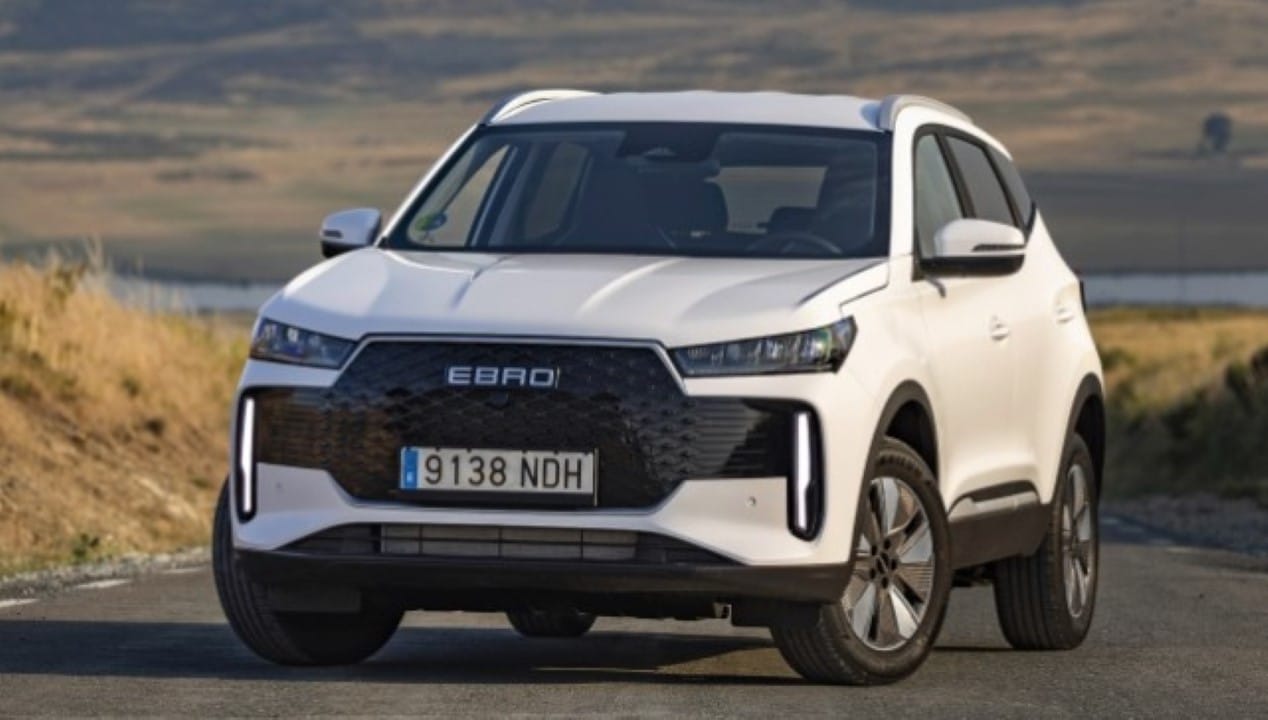
Another alternative that is emerging with force is the EBRO S400, a Spanish-made model that focuses on economy without giving up a generous equipment package. With 211 hp of power, its average consumption is 5.3 l/100 km, one of the best in the category. Initial offers at Europa approach 20,000 euros, an aggressive value that promises to attract consumers looking for their first hybrid SUV. The brand’s strategy is to offer a well-equipped vehicle from the entry-level version onwards, including safety and connectivity items that are generally optional on other models.
Compact models that stand out for their efficiency
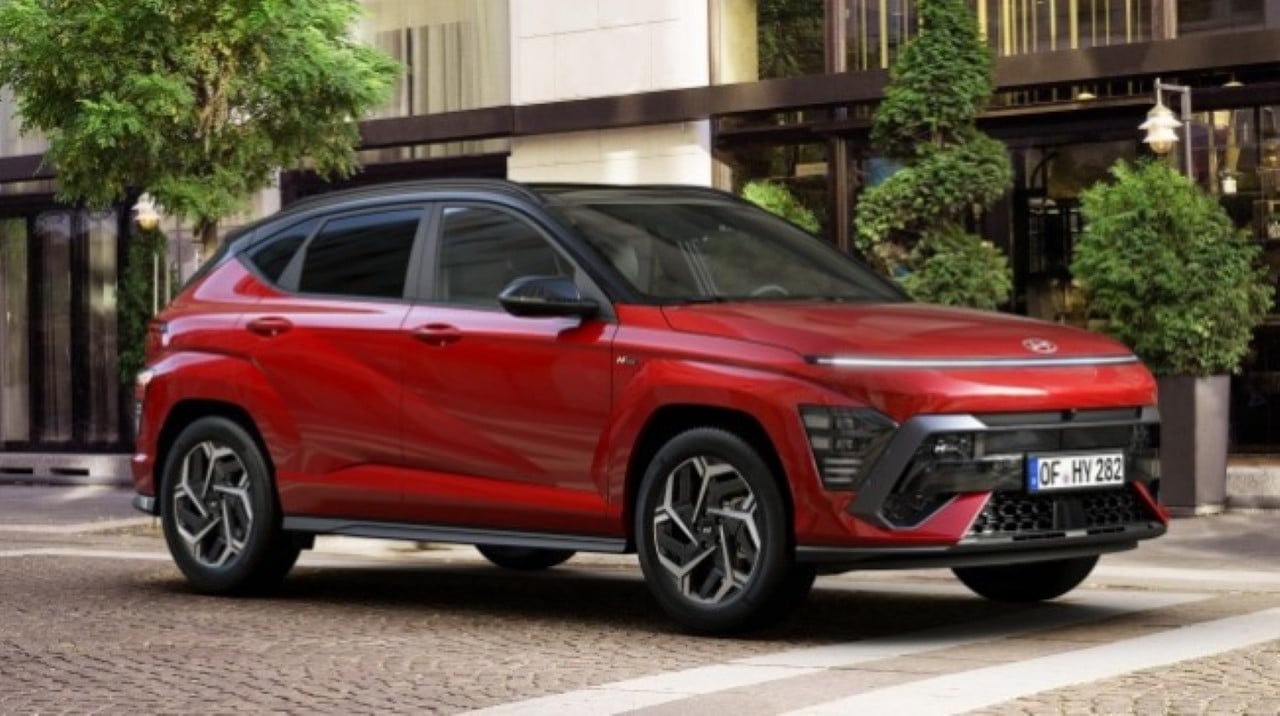
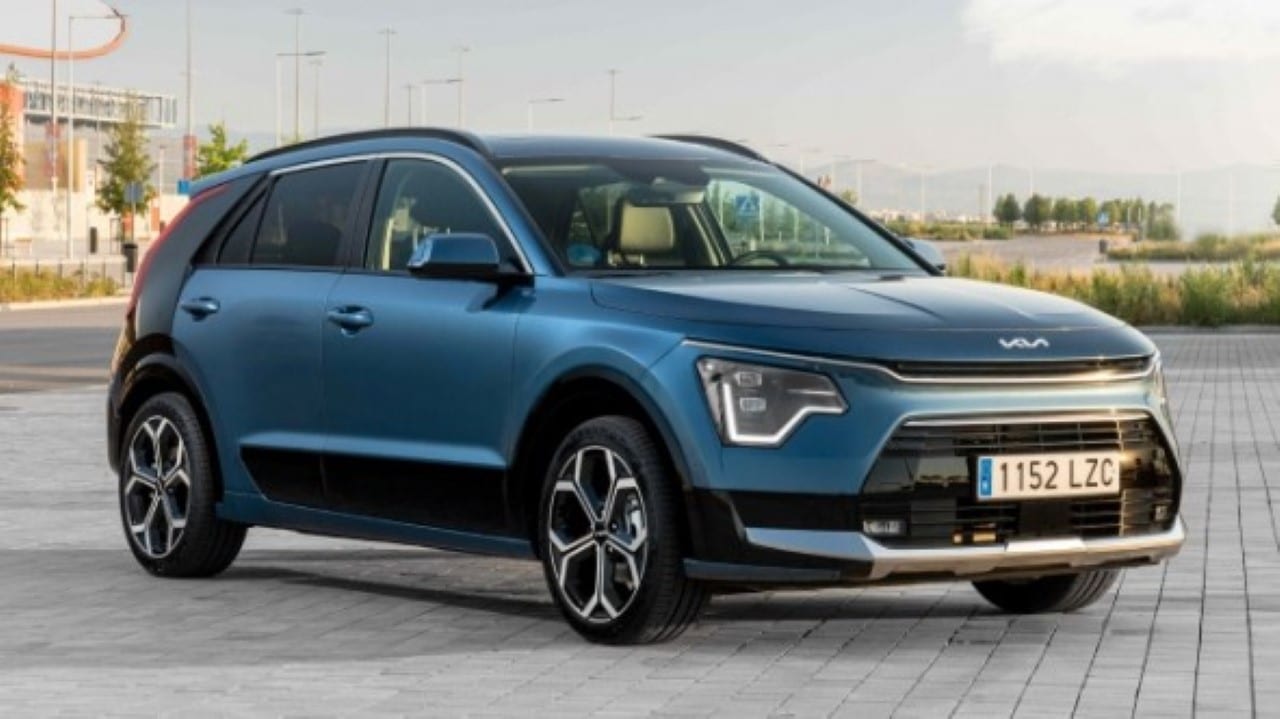
The Kia Niro and Hyundai Kona share an efficient mechanical base that delivers 141 horsepower. Ambos models are known for their extremely low fuel consumption, registering marks of less than 4.6 l/100 km. Além of economy, they offer practicality with trunk that exceeds 450 liters, an important differentiator in the compact segment.
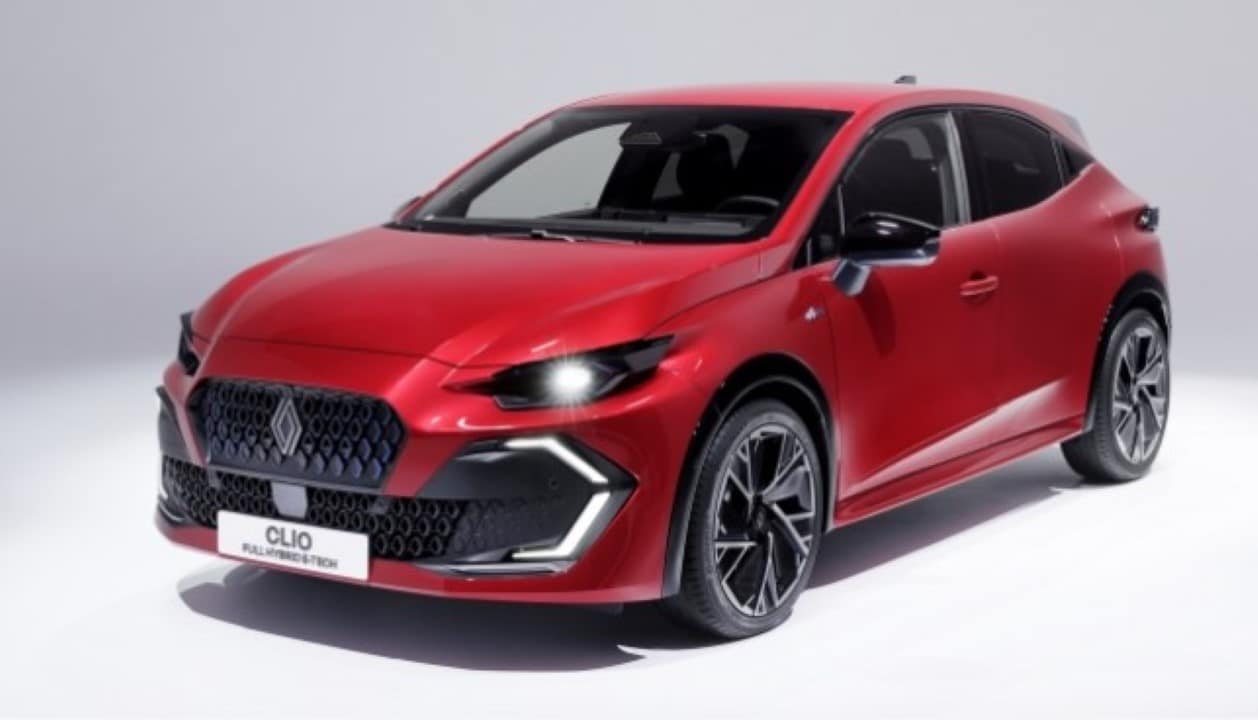
The Renault, in turn, is betting on updating the Clio E-Tech for 2026, which had its power increased to 160 hp. The compact now accelerates from 0 to 100 km/h in 8.3 seconds and impresses with an average consumption of just 3.9 l/100 km, helped by a 1.4 kWh battery that allows greater autonomy in electric mode in urban areas.
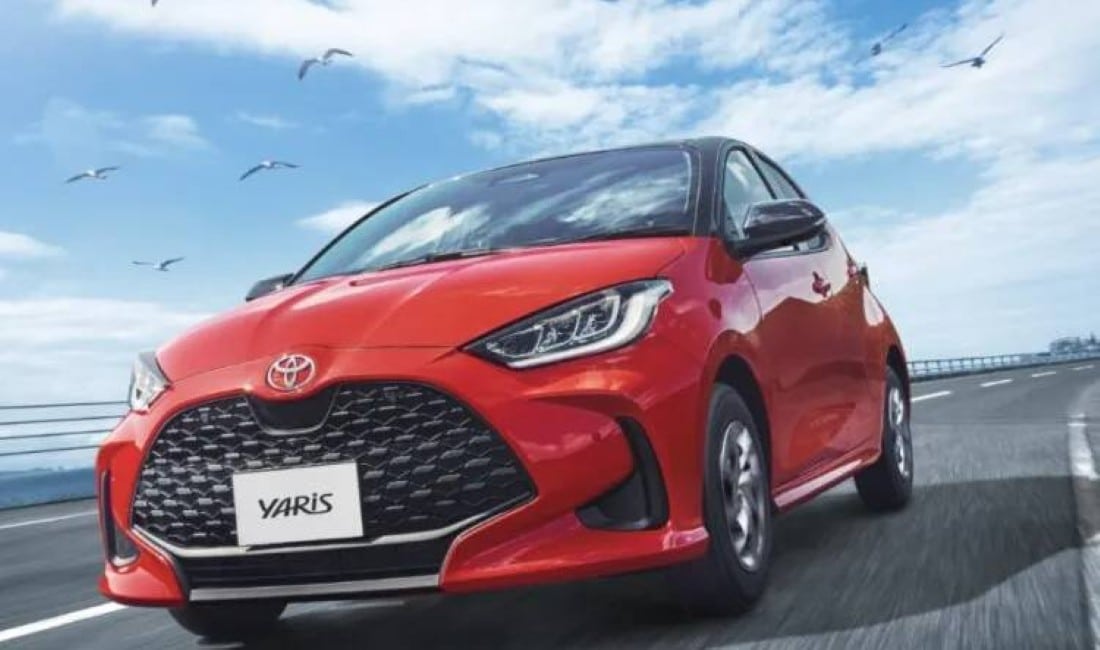
Historical leader in the segment, the Toyota Yaris maintains its prominent position with the offer of engines that reach 130 hp. The model continues to be a reference in efficiency, with an average consumption of 4.3 l/100 km, and combines the agility of a city car with the reliability of the Toyota hybrid technology, consolidated for decades on the global market.
Medium SUVs that are a market reference
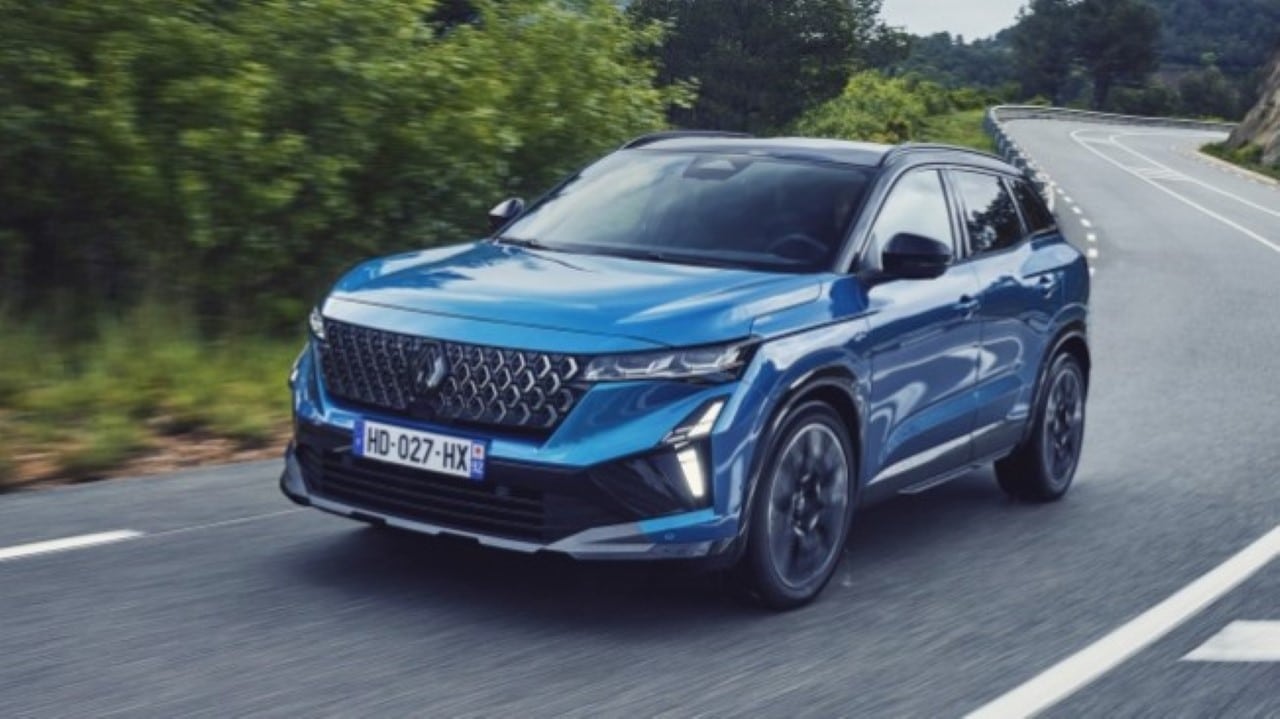
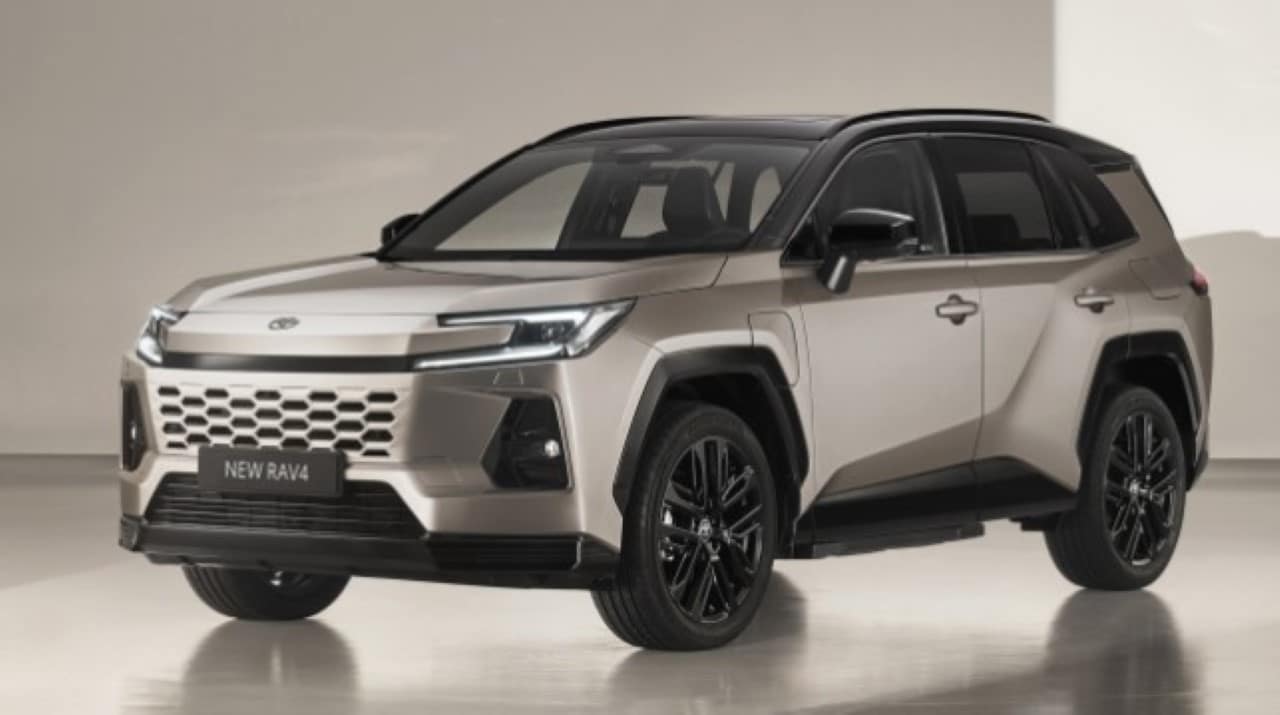
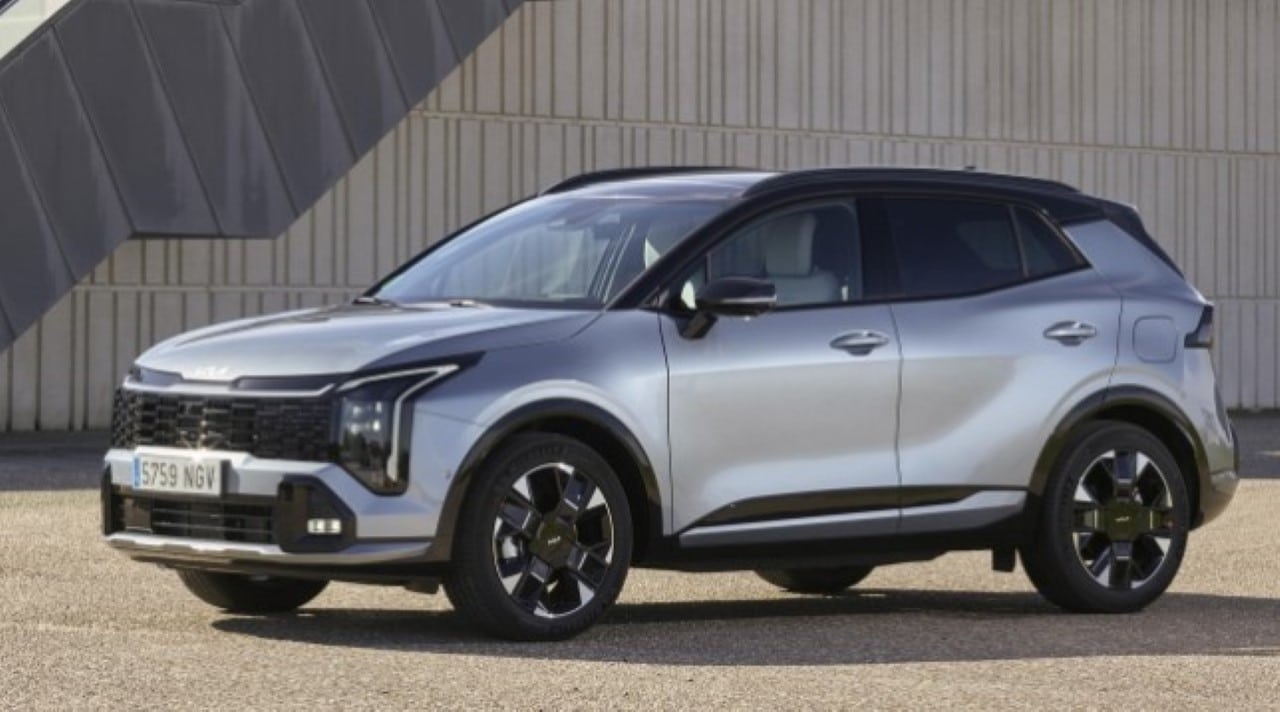
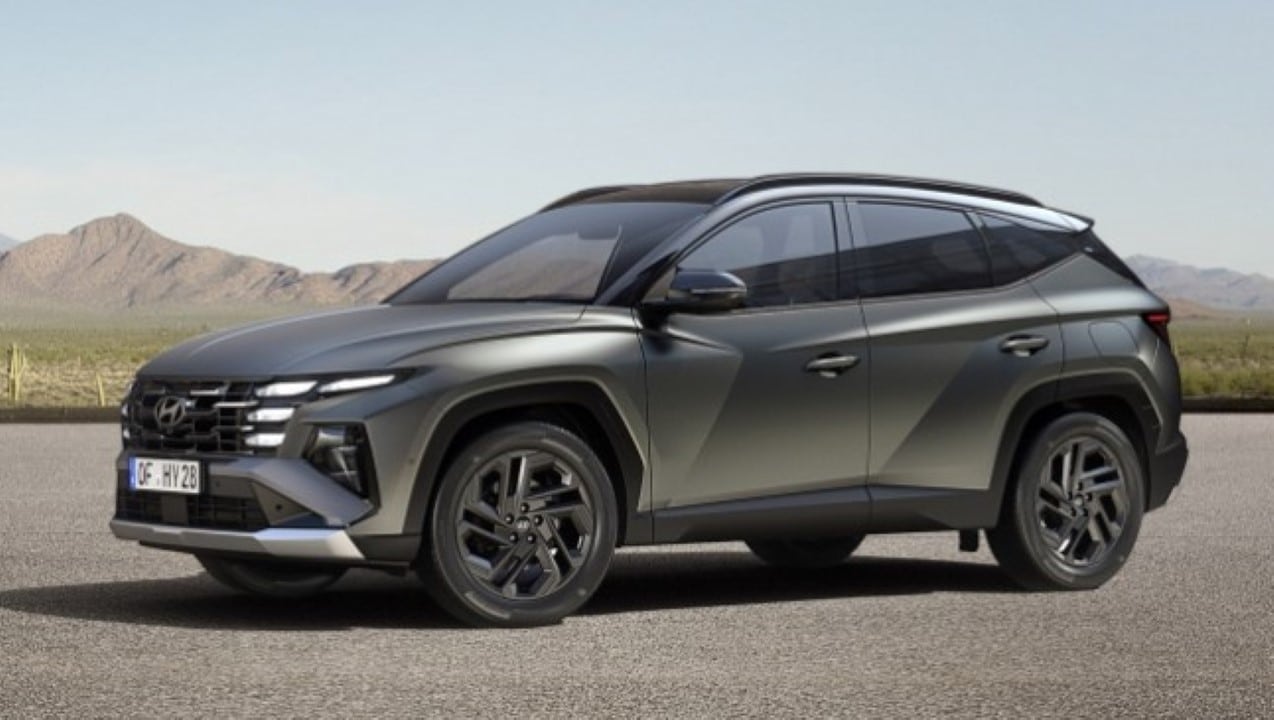
In the competitive medium SUV segment, the Kia Sportage Hybrid and Hyundai Tucson Hybrid stand out for their balance between power, space and technology. The Sportage offers up to 239 hp and the option of all-wheel drive, with an average consumption of 5.4 l/100 km and a 587-liter trunk, ideal for family trips. Já o Tucson, with 215 hp, records a slightly higher consumption of 5.7 l/100 km, but compensates with superior internal space, reaching an impressive 616 liters of trunk capacity, one of the largest in the category. Ambos South Korean models come equipped with robust safety and connectivity packages, including advanced driving assistants and multimedia centers with high-resolution screens. The direct competition is the Renault Austral E-Tech, which stands out for its sportier driving dynamics, delivering 200 hp and an excellent consumption of 4.7 l/100 km. Sua 2 kWh battery allows it to run for longer in purely electric mode at low speeds, optimizing use in urban traffic. Fechando the group, the renewed Toyota RAV4 for 2026 adopts a more robust design and promises to maintain its leadership with an engine of up to 191 hp and all-wheel drive, with the promise of a yield of less than 5 l/100 km, combining the brand’s reliability with a more modern and adventurous look.
The advantages of self-watering hybrid technology
These vehicles were designed with a focus on practicality for daily use. Automatic battery recharging, which occurs during deceleration and braking, eliminates so-called “range anxiety” and the need to search for charging points, one of the main obstacles to the adoption of pure electric vehicles.
Recent studies point to greater mechanical reliability of full hybrids compared to plug-in or 100% electric models, due to the lower complexity of the high-voltage battery system. The transition between driving modes (combustion and electric) is imperceptible, providing a smooth and silent experience, as well as a significant reduction in pollutant emissions, especially in urban traffic.
Trends and the future of the market
The European market, which serves as a thermometer for other regions, shows constant growth in demand for full hybrid options. Manufacturers are investing in batteries with greater capacity to extend autonomy in electric mode, even without external recharging, making cars even more efficient for everyday use.
Prices vary considerably, starting from around 20,000 euros for compacts and reaching more than 40,000 euros for the most equipped medium SUVs. The ideal choice depends directly on the usage profile: drivers who predominantly travel in urban areas benefit more from efficient compacts, while those who need more space and versatility for long journeys find SUVs to be the ideal solution.
Equipment and technology on board
One of the great attractions of the new hybrid models is the onboard technology package. Muitos vehicles leave the factory with digital instrument panels and multimedia centers with dual screens up to 12 inches, offering complete connectivity with smartphones through Android Auto and wireless Apple CarPlay.
In addition to entertainment, security is a strong point. Assistentes advanced driving features, such as adaptive cruise control, lane keeping assistant, automatic emergency braking and blind spot monitor, are becoming standard items, increasing safety and comfort for the driver and passengers.
The ideal choice for the consumer
The final decision between the different models available will depend on the priorities of each buyer. Fatores such as interior space, fuel consumption, performance and technology package must be carefully evaluated. The growth in the supply of self-watering hybrids offers consumers a smart and practical transition to a more sustainable future, without the complexities of electrical charging infrastructure.