US military operation in Venezuela results in the capture of Nicolás Maduro and generates tension in Caracas By Luís Henrique Costa
5 min read
 |
A large-scale military operation conducted by Estados Unidos forces in Venezuela, during the early hours of this Saturday, January 3, 2026, culminated in the capture of President Nicolás Maduro and the First Lady, Cilia Flores. The action, confirmed by American President Donald Trump, reported that the couple was removed from the country by air. The air and ground attacks occurred in a coordinated manner between 2 am and 4:30 am local time, hitting strategic targets in the capital, Caracas, and in neighboring regions such as La Guaira, Aragua and Miranda.
The awakening of the capital’s residents was marked by loud explosions and the sound of aircraft flying over the city at low altitude. Uncertainty and fear led to almost total paralysis in the early hours of the morning, with important streets and avenues completely deserted. Commerce in general remained behind closed doors, while a strong contingent of Venezuelan security forces ostensibly patrolled the vicinity of government buildings and military installations.
Communication between citizens occurred mainly through messaging applications and social networks, which were flooded with videos and reports about military movements during the early hours of the morning. Apprehension about the consequences of the capture dominated the atmosphere, with many families choosing not to leave their homes until the situation became clearer.
The scene in the Venezuelan capital
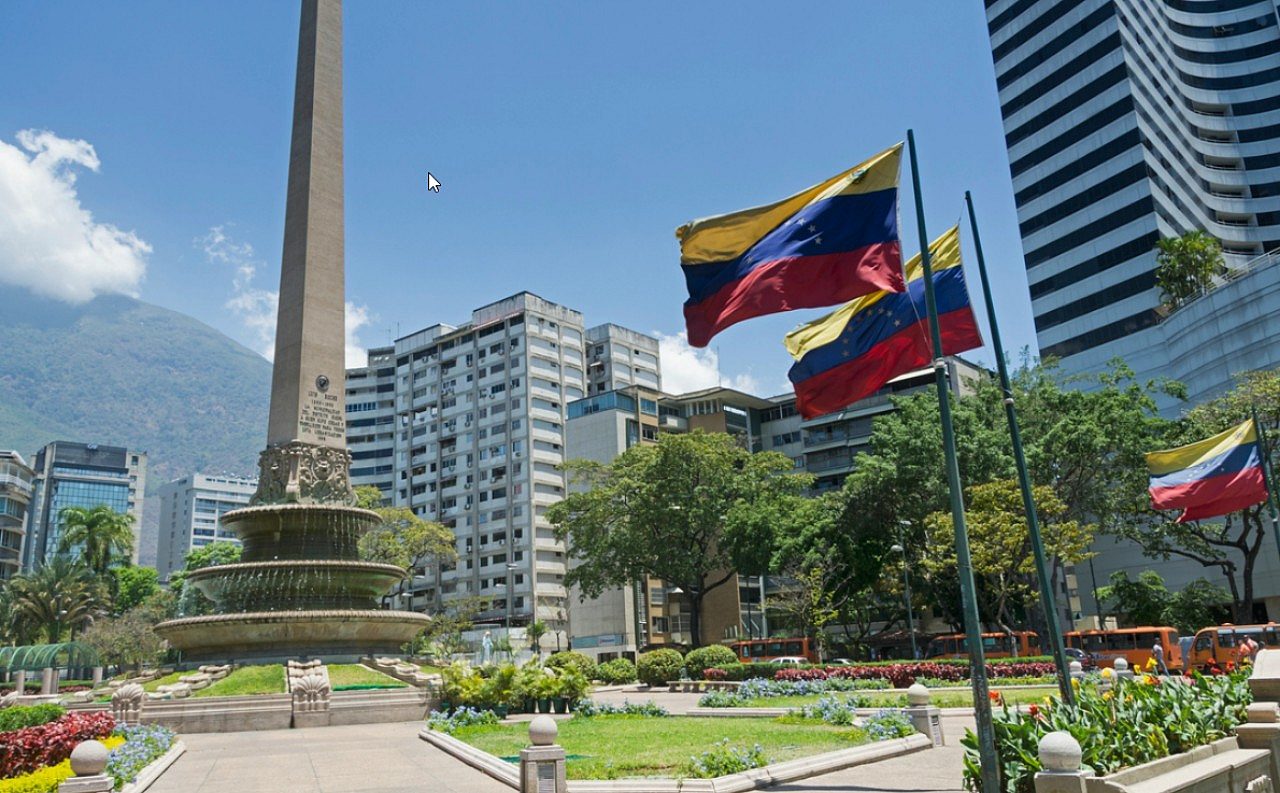
At dawn, Caracas displayed an atmosphere of tense calm. The unusual silence on the main roads, usually congested, highlighted the immediate impact of the operation. The absence of public transport and the massive commercial response to the closure turned the metropolis into a ghost town, where only military and emergency vehicles circulated regularly.
Reports from neighborhoods like La Guaira described loud bangs that shook homes and set off car alarms. In several locations, interruptions in the electricity supply were recorded, which increased the difficulty in accessing information. The population sought news through battery-powered radios and international channels, amid special state television programming that called on the population to defend national sovereignty.
Government reaction and state of emergency
In direct response to the operation, the Venezuelan government declared a “state of external commotion” throughout the national territory. The measure, announced by Vice President Delcy Rodríguez in a television address, aims to mobilize all defense resources to protect the country’s institutions. Rodríguez stated that he did not know the whereabouts of Maduro and demanded immediate proof of his and Cilia Flores’s life from the American authorities.
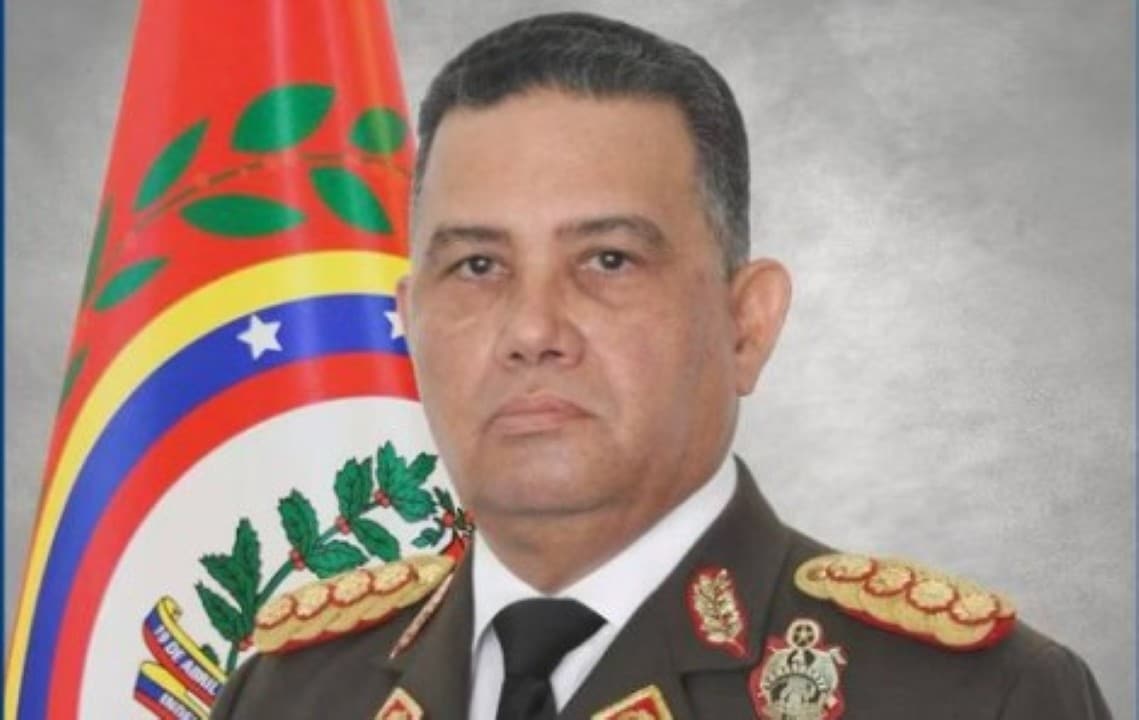
The minister of Defesa, Ele reinforced the troops’ loyalty to the established government and promised a firm response.
At the same time, Chancellor Iván Gil announced that the Venezuela would request an emergency meeting at the Conselho of the Segurança of the Organização of the
Military targets and damage confirmed
Air strikes were concentrated on military complexes of high strategic value. Forte Tiuna, the main base of Exército and headquarters of Ministério of Defesa in Caracas, was one of the main targets, with reports of multiple fires in its facilities. Colunas of dense smoke was visible from miles away, indicating significant damage to hangars and administrative buildings.
Another point hit was the La Carlota military airport, located in the east of the capital, where direct impacts were recorded on the runway and in storage areas. Preliminary Informações indicate that air defense systems and transport units were destroyed or severely damaged during the night offensive.
The minister of Interior, Diosdado Cabello, confirmed in a brief statement that the operation resulted in the deaths of military personnel and civilians, although an official casualty count was still ongoing. Cabello promised that “the martyrs of the country would be avenged” and called on government supporters to remain mobilized.
Access to the bombed areas was immediately blocked by security forces, who established perimeters to prevent civilians and the press from approaching. Images broadcast on state television showed wreckage of military vehicles and collapsed structures, while rescue teams worked in the affected areas.
The search for supplies and the race for posts
Despite the desolate scenario of the early hours, the need for essential supplies began to take part of the population onto the streets later in the morning. A sharp contrast was formed between the widespread emptiness and the long lines that quickly emerged at gas stations and markets that decided to open. Fears of prolonged shortages or traffic restrictions led to a race for fuel, with drivers waiting for hours to fill their vehicles’ tanks.
In the few supermarkets and bakeries in operation, the movement was intense. People sought to stock up mainly on non-perishable food, drinking water, candles and batteries. The demand for essential items reflected the deep uncertainty about the coming days and the lack of confidence in the guarantees of normality offered by the remaining authorities. Essa movement, although punctual, broke the initial paralysis and demonstrated the resilience of citizens in the face of an unprecedented crisis.
Context of the intervention and the announcement of Trump
The military operation was not an isolated act, but rather the climax of months of increasing diplomatic and political tension between Washington and Caracas. The Estados Unidos government had been intensifying pressure on the Maduro administration, with public accusations of involvement in drug trafficking and human rights violations. The American Departamento of Justiça had offered a million dollar reward for information leading to the capture of Maduro and other high-ranking officials of his government, accusing them of leading a criminal organization. This Saturday’s action was described by Pentágono sources as a surgical operation, planned by several intelligence agencies and special forces, with the aim of “neutralizing a threat to regional security”. In his announcement, made via a social media post, Donald Trump described the capture as “a great success for freedom and democracy” and promised a press conference to provide more details on the future of relations with Venezuela and support for a transitional government.
Mobilization of government supporters
In response to the capture, groups of Chavista militants and public officials began to gather in front of official buildings, such as Palácio of Miraflores, in Caracas, and in squares in other cities in the country. State television broadcasts showed protesters with Venezuelan flags and portraits of Maduro, demanding his immediate release and denouncing American intervention.