
British Parliament decides in 2026 on the format of the essential restoration of the Palace of Westminster By Beatriz
4 min read
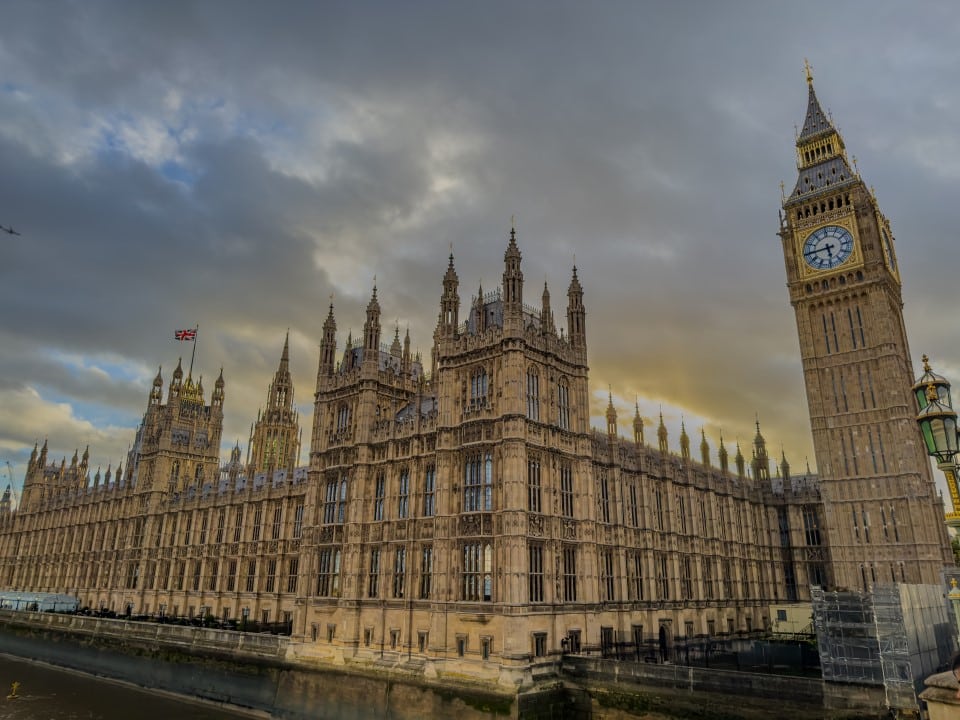 |
The Palácio of Westminster, headquarters of the Parlamento of the Reino Unido in Parlamentares should receive a report in the first weeks of 2026 with three detailed options, including updated costs, deadlines and risks, to vote on the best path forward.
The historic building faces an imminent crisis, with obsolete mechanical and electrical systems that require immediate intervention. Relatórios previous studies highlight that prolonged postponements increase the dangers for occupants and visitors, in addition to increasing spending on emergency maintenance.
Experts and members of both houses agree that the reforms are essential to preserve the world heritage. However, the choice between total or partial temporary change divides opinions regarding efficiency, duration and financial impact.
Structural problems in the building
Palácio of Westminster has serious flaws in its infrastructure, such as old pipes intertwined with electrical wires that make simple removals difficult. Algumas installations date back decades, including components installed shortly after Segunda Guerra Mundial.
These redundant and dangerous elements contribute to recurring fires and falling rocks from the façade. The presence of asbestos persists in many areas, requiring careful removal to avoid health risks.
- Obsolete gas and water pipes;
- Intertwined and non-insulated electrical wires;
- Risks of partial collapse in underground corridors.
Weekly maintenance already consumes significant resources, without solving fundamental problems.
Options presented for the works
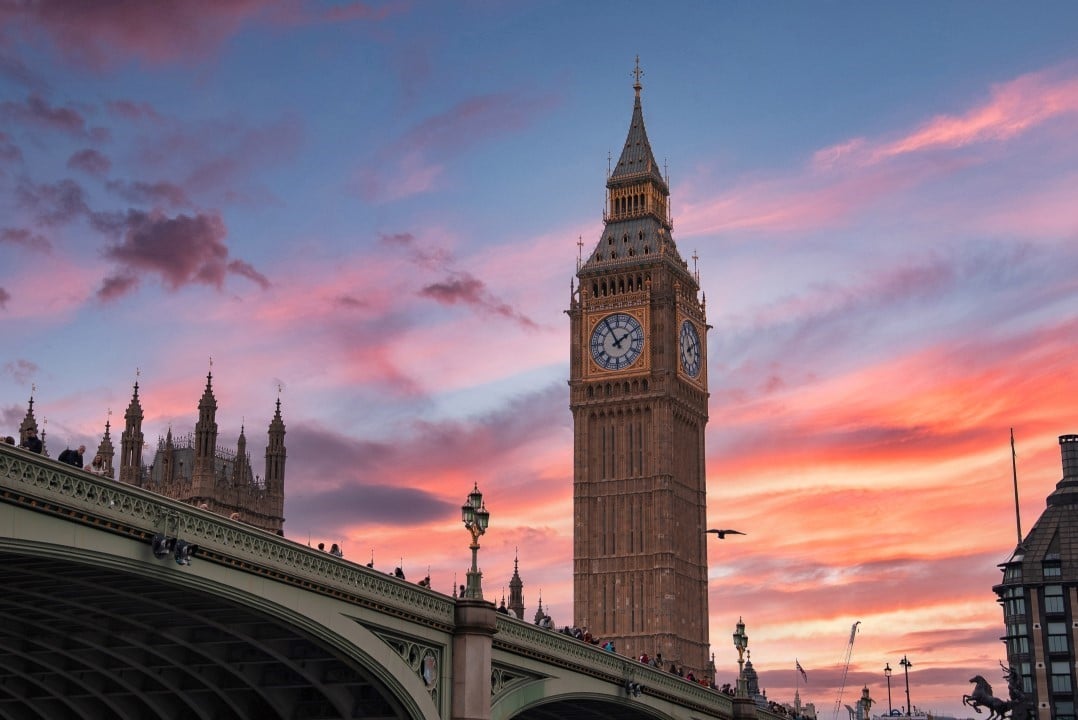
Three main alternatives will be evaluated by parliamentarians in early 2026. The first foresees total decantation, with both houses – Commons and Lords – moving to nearby temporary locations, such as QEII Conference Centre or Richmond House.
The second option involves partial decantation, keeping the Câmara of the Comuns in place while the Câmara of the Lords moves. Essa approach may extend the timeline by additional years.
The third alternative consists of continuous enhanced maintenance, with sequential works without interruption to parliamentary activities. Estimativas of 2022 indicate that this route would be the most time-consuming and costly in the long term.
Alternative locations have been suggested, including even a floating structure on the Tâmisa River. The Client Board report will update values, ranging from billions of pounds depending on the choice.
Estimated costs and deadlines
Previous projections indicate that total decantation could cost between 7 and 13 billion pounds, lasting 12 to 20 years for complete vacancy. Manter one of the houses in the building would take values up to £18.5 billion.
Options with continued presence have been estimated to cost up to £22 billion, extending the project for additional decades. Atualizações of 2026 should refine these numbers based on recent surveys.
The Client Board, made up of members of both houses and independent experts, will recommend the most viable approach. The final decision will be a parliamentary vote after government debate.
These investments aim not only at repairs, but also at modernizing systems to meet contemporary demands.
Risks of additional postponements
Postponing the decision increases the chances of catastrophic incidents, similar to fires in historic European buildings. Sistemas Overloaded electrical and plumbing fixtures pose daily threats.
Parliamentarians warn that delays undermine democratic credibility by ignoring warnings from reports more than a decade ago. The building has been described as waiting for an inevitable disaster.
Maintaining operations during construction increases safety risks for thousands of employees and visitors. Opções without decantation require expensive and complex mitigating measures.
Positions of key parliamentarians
Lord Hain defends total decantation as the most economical and safe, citing previous votes from 2018 that approved the principle. Ele criticizes delays as negative propaganda for parliamentary democracy.
Baroness Smith, senior minister in the Câmara of the
Lord Dobbs expresses concern about impacts to Câmara’s authority by temporarily leaving the building. Ele wonders if the house would return to the palace after works.
Other members see the urgent need for action to prevent systemic collapses. The debate reflects a balance between historical preservation and modern functionality.
Preparations underway
Intrusive surveys continue to map the palace’s exact conditions. Investigações Recent archaeological surveys have revealed artifacts thousands of years old, informing conservation decisions.
Teams plan to hire for design and construction starting in 2026, depending on the option chosen. The program seeks opportunities for suppliers throughout the Reino Unido.
Client Board prioritizes safety, accessibility and sustainability in its proposals. Atualizações include improvements to mechanical, electrical and fire prevention systems.
These steps ensure that the palace remains a parliamentary seat for generations to come.
Proposed temporary locations
The QEII Conference Centre appears as preferred for the Câmara of the Lords in decantation scenarios. Richmond House, in Whitehall, is considered to accommodate the Câmara of the Comuns.
Other suggestions include adaptations to nearby buildings to minimize disruptions. Planejamentos include temporary chambers with full capacity.
- QEII Centre to Lords;
- Richmond House to Commons;
- Floating options in Tâmisa as creative alternatives.
These spaces would allow sessions to continue during the main works.
The Palácio of Westminster, rebuilt in the 19th century after a devastating fire, has gone decades without comprehensive renovations. Relatórios of parliamentary committees since 2010 have warned of imminent inhabitation without intensive intervention.
Incidents such as explosions in toilets and constant leaks illustrate the urgency. The restoration program evolved with government changes in 2022 for greater direct control of homes.
Decisions in 2026 will define not just repairs but the legacy of the iconic building. Parlamentares face a balance between high costs and preserving a national symbol.











