

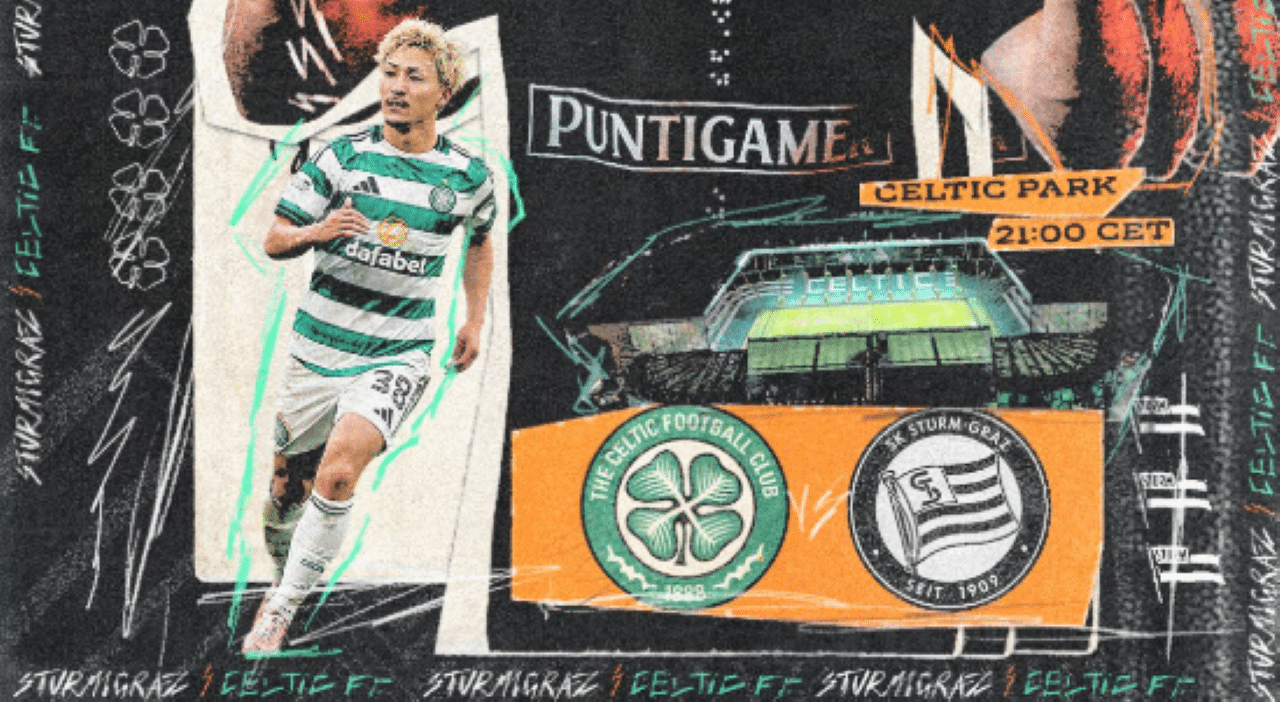
Celtic Football Club announced a significant leadership change today, dismissing manager Wilfried Nancy and head of football operations Paul Tisdale. The decision follows a dismal start to the 2025 season where Nancy’s squad suffered six losses in just eight matches, culminating in a critical 3-1 defeat by rivals Rangers on Saturday. This sweeping move underscores the club’s immediate efforts to reverse a troubling decline in performance and stabilize operations amidst mounting fan discontent.
Nancy’s tenure, though brief, was marked by consistent struggles to find winning form. The team displayed defensive vulnerabilities and an inability to consistently secure points, leading to a precarious position in the league standings. Club management faced increasing pressure from supporters and critics alike as the season progressed without a clear sign of improvement on the pitch.

Early season struggles
The 2025 campaign began with high expectations for Celtic, aiming to build on previous seasons and solidify their dominance. However, Nancy’s tactical approaches often failed to deliver consistent results, leaving the team exposed against determined opposition. Players visibly struggled to adapt to new systems, resulting in disjointed performances that lacked cohesion and attacking threat.
The initial fixtures highlighted a worrying trend, with the team conceding crucial goals in late stages of matches and failing to capitalize on scoring opportunities. Despite occasional flashes of individual brilliance, the collective unit rarely performed at the level expected of a club with Celtic’s stature and resources. This consistent underperformance inevitably fueled speculation about the manager’s future.
Wilfried Nancy’s brief tenure
Wilfried Nancy took the helm with promises of an exciting, attacking brand of football, a philosophy that initially resonated with the fanbase. His appointment was seen as a bold step by the Celtic board to inject fresh ideas and a modern approach into the club’s sporting direction. However, the theoretical vision failed to translate into tangible success on the field, leading to a rapid erosion of confidence from key stakeholders and supporters. The manager’s inability to integrate new signings effectively and to motivate the existing squad became increasingly evident as results worsened.
The fateful Rangers defeat
The 3-1 loss to arch-rivals Rangers served as the final catalyst for the drastic managerial change. This defeat not only widened the gap at the top of the league but also exposed fundamental issues within the squad’s mentality and tactical discipline. The performance was widely criticized for lacking fight and strategic coherence, traits synonymous with past Celtic successes.
Fans expressed significant disappointment after witnessing their team outmaneuvered and outfought in a fixture of immense importance. The atmosphere following the derby was palpable with frustration, signaling an urgent need for intervention from the club’s hierarchy. The result proved too significant for the board to overlook, forcing immediate action.
Paul Tisdale’s concurrent exit
Paul Tisdale, who oversaw football operations, was removed alongside Nancy, indicating a broader restructuring within Celtic’s leadership. Tisdale played a pivotal role in player recruitment and overall football strategy, making his departure equally impactful. His removal suggests that the club’s executive leadership views the recent failures as systemic rather than solely attributable to the coaching staff.
The joint announcement implies a desire to completely overhaul the sporting direction, from the dugout to the administrative offices impacting player development and scouting. This dual departure highlights the club’s intent to implement wholesale changes in an attempt to address the deep-seated issues that have plagued the team’s performance.
Immediate club response
Celtic’s board released a concise statement confirming the departures and thanking Nancy and Tisdale for their contributions. The announcement stressed the club’s commitment to returning to its winning traditions and delivering success to its passionate fanbase. No immediate successor was named, with the club indicating a thorough search process would commence promptly.
Interim arrangements were put in place to oversee team preparations for upcoming fixtures, ensuring continuity in training and matchday operations. The swift action aims to stabilize the squad and minimize disruption during this critical transition period. The board emphasized its dedication to making the right long-term decisions for the club’s future.
Speculation on successors
Rumors regarding potential candidates to replace Wilfried Nancy are already circulating among football pundits and fans. Various names with proven track records in managing high-pressure clubs are being mentioned as the search for Celtic’s next permanent manager begins. The next appointment will be crucial for steering the club back to contention for domestic honors and European competition.
Challenges ahead for Celtic
The road ahead for Celtic is fraught with significant challenges, both on and off the pitch. The immediate priority will be to instill a new sense of belief and tactical clarity within the playing squad. Recruiting a manager capable of uniting the dressing room and implementing an effective playing style quickly will be paramount to salvaging the season.
The club must also navigate the impact of this leadership vacuum on player morale and potential transfer targets. A period of instability could deter prospective new signings and affect the performance of existing players. Rebuilding trust with the fanbase after a turbulent start is another critical task for the incoming management.
Maintaining competitiveness in the league while undertaking a comprehensive structural review presents a complex task. The club’s financial stability and long-term vision will depend heavily on the success of these immediate changes. Celtic faces a demanding period requiring decisive and strategic leadership.
Player performance under scrutiny
Individual player performances have come under intense scrutiny throughout the opening eight matches, with many failing to meet expected standards. Key players, who were instrumental in previous successes, have struggled to find form, leading to a collective dip in quality. The inconsistency across the squad has been a significant factor in the team’s inability to secure positive results.
The new coaching staff will face the immediate challenge of re-energizing these players and addressing any underlying issues affecting their contribution. A thorough assessment of the squad’s strengths and weaknesses will be essential to identify areas requiring reinforcement or tactical adjustments. The performance slump indicates that changes extend beyond management.
Historical context of managerial changes
Celtic has a rich history of managerial changes, some proving highly successful while others have been short-lived. The club’s expectations are perpetually high, demanding consistent excellence and a winning mentality. This culture often necessitates swift action when performance dips below acceptable levels, reflecting the club’s ambition.
Past managerial appointments have often been pivotal moments in Celtic’s history, shaping eras of dominance or periods of rebuilding. The board’s current decision aligns with a pattern of decisive intervention when the club’s trajectory deviates from its winning path. The pressure to succeed is an inherent part of managing Celtic Football Club.
Fan expectations and club legacy
The passionate Celtic fanbase holds extremely high expectations, demanding not only victories but also an attractive, attacking style of play. The club’s legacy is built on a foundation of success, and any deviation from this standard is met with significant criticism. The supporters represent a crucial component of the club’s identity and their voice holds considerable weight.
Rebuilding confidence among the fan base will be crucial for the club’s long-term health and stability. Engagement with supporters and transparent communication about the club’s direction will be vital during this period of transition. The collective desire for success permeates every aspect of Celtic Football Club.