


An earthquake with a seismic intensity greater than 5 on the Japanese scale shook the prefectures of Tottori and Agência Meteorológica of Japão continues to monitor seismic activity, recommending that the population remains alert to possible aftershocks in the coming hours.
The main concern after the earthquake focused on Usina Nuclear of Shimane, operated by Chugoku Electric Power Co. and located in the city of Matsue. The company acted quickly to communicate the situation, ensuring that reactor number 2, which was in full operation, did not suffer any type of abnormality. Todos security systems were activated as per protocol and functioned correctly, allaying initial fears about the integrity of the facility.
The seismic event also caused immediate and significant disruptions to regional transportation infrastructure. The Sanyo Shinkansen bullet train line, one of the busiest in the country, had its operations suspended between the Shin-Osaka and Hakata stations due to a power supply failure. Diversas other conventional train lines also halted their activities to carry out safety inspections on tracks and structures.
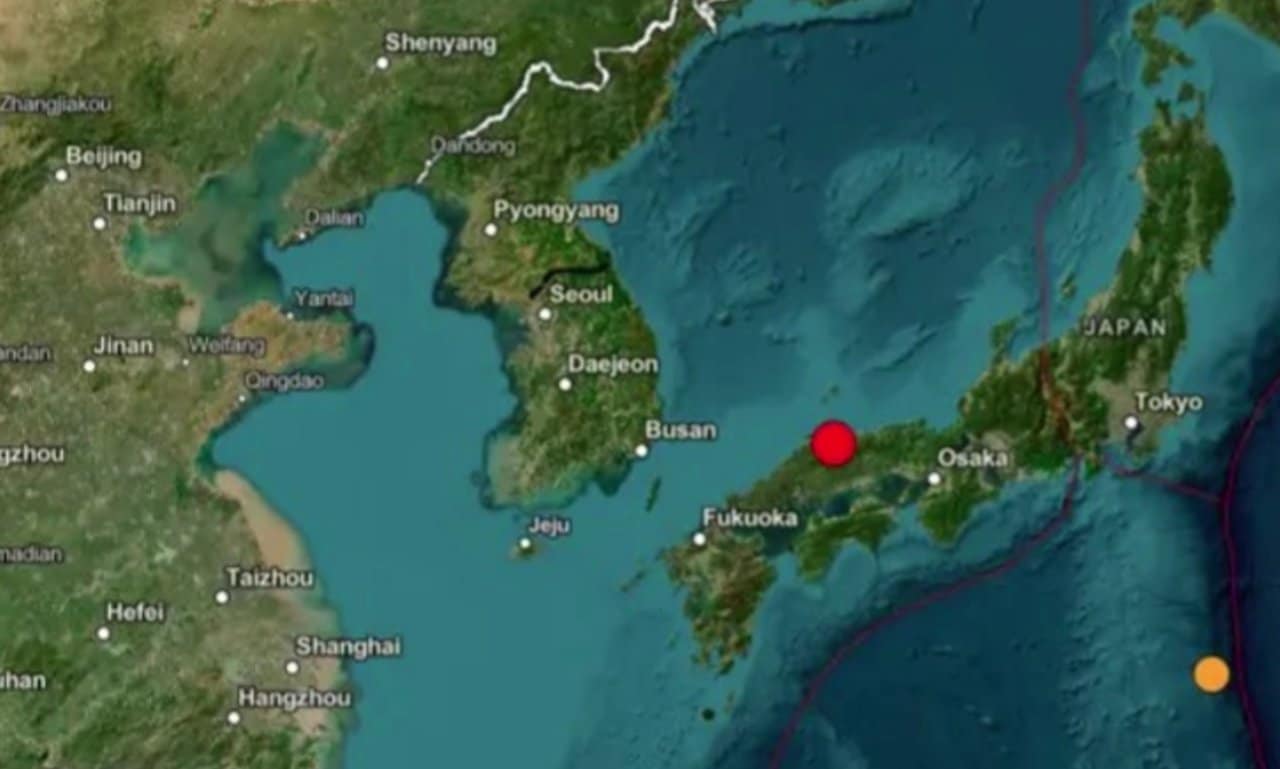
Details of the earthquake and initial response
The tremor was felt with greater force in the prefectures of Tottori and Shimane, but its range extended to other locations. In the prefecture of Hiroshima, for example, the shaking was recorded with intensity 4 in several parts, including the north, southeast and southwest regions. Essa intensity is sufficient to cause significant rocking of suspended objects and the sensation of strong vibration for most people, although it generally does not result in serious structural damage in modern buildings.
Immediately after the earthquake, local authorities activated their emergency plans. Equipes crisis management teams were mobilized to collect information on possible material damage and check the condition of citizens in the most affected areas. Rapid coordination between different government agencies was critical to establishing a clear picture of the situation and ensuring that any need for assistance was met promptly, reflecting the Japão’s high response capacity to natural disasters.
Safety confirmation at the Shimane nuclear plant
A Chugoku Electric Power Co. issued a detailed statement to reassure the population and markets, reiterating that Usina Nuclear of Shimane remained safe during and after the earthquake. Reactor number 2, the only unit in operation in the complex, did not show any deviation in its operational parameters. The company highlighted that strict safety protocols, designed to withstand seismic events of great magnitude, were strictly followed. Initial inspections covered all critical systems, from the refrigeration circuit to containment structures, confirming the integrity of all vital equipment. Além In addition, continuous radiation measurements carried out at monitoring stations around the plant did not detect any change in normal levels, ruling out the possibility of leaks or any environmental impact. Transparency in the disclosure of this data was crucial to reinforce public trust in the installation’s safety management, an extremely sensitive topic in the country.
Significant impact on the transportation system
The consequences of the earthquake were felt most acutely by the thousands of passengers who depend on public transport in the region. The interruption of line Sanyo Shinkansen, caused by an electrical power failure, generated a ripple effect across the entire railway network in western Japan.
The suspension of the bullet train service, which connects important urban centers, was an essential preventive measure to ensure passenger safety while technical teams assessed the integrity of the electrical network and tracks. The energy concessionaire immediately began work to restore supply and allow the gradual resumption of operations.
In addition to Shinkansen, several conventional train lines in the San’in region also stopped their activities. Preventative safety inspections are a standard procedure after earthquakes of a certain intensity, aiming to identify possible structural damage to railways, bridges and tunnels that could compromise travel safety.
Among the sections that suffered temporary interruptions were the San’in Line (between Higashihama and Masuda), the Inbi Line (from Tottori to Sakaiminato) and Kisuki Line (from Shinji to Bingo Ochiai). Equipes maintenance personnel were mobilized to carry out detailed inspections and release the sections as quickly as possible.
Preventive actions in Hiroshima
In the prefecture of Hiroshima, where the tremor reached intensity 4, the local government implemented the so-called “attention regime”. Essa measure places all crisis management teams on maximum alert, ready to respond to any eventuality arising from the earthquake or its possible aftershocks.
The city hall’s crisis management division began systematic data collection from all affected municipalities. The objective is to build a complete and accurate overview of the situation, which allows quick and effective decision-making and ensures that the population receives verified and updated information through official channels.
Japão Resilience Protocols
Japão is globally recognized for its culture of prevention and preparation for natural disasters, especially earthquakes. Essa resilience is built on solid pillars that involve technology, education and continuous training. Desde childhood, citizens are instructed on how to act during a seismic shock, and simulations are carried out periodically in schools, companies and communities.
One of the central elements of this strategy is the early warning system, which can issue warnings seconds before the most destructive seismic waves arrive, giving people time to seek shelter. Civil construction standards are extremely strict, requiring that new buildings incorporate advanced anti-seismic technologies, such as shock absorbers and base isolators, which absorb tremor energy and minimize structural damage.
Public education plays a vital role, with constant campaigns that keep the population informed about safety procedures, emergency kits and evacuation routes. Essa collective preparation is what allows a calm and organized response, significantly reducing the number of victims and the extent of material damage even in the face of severe seismic events.
Coordination between affected city halls
Authorities in Tottori and Shimane, the prefectures most directly impacted by the earthquake, established direct communication to coordinate response efforts. Essa collaboration is essential to optimize the use of resources, share information about the extent of damage, and ensure that assistance quickly reaches the communities that need it most.
Emergency teams, including firefighters and civil defense teams, were dispatched to carry out inspections in areas considered most vulnerable, such as regions with older buildings or geologically unstable terrain. Hospitals in the region were also placed on alert to treat any injured people, demonstrating the health system’s readiness to deal with disaster situations.
The importance of continuous vigilance
Despite initial confirmation that there was no serious damage, authorities and the nuclear plant operator maintain a high state of vigilance. Seismic risk assessment is a continuous process at Japão, and each new event serves as an opportunity to analyze the effectiveness of protection systems and improve contingency plans, ensuring greater preparation for future challenges imposed by nature.



