Man United fires Ruben Amorim after 14 months: uncovering tactical transfer and internal turmoil Por Luís Pereira
6 min de leitura
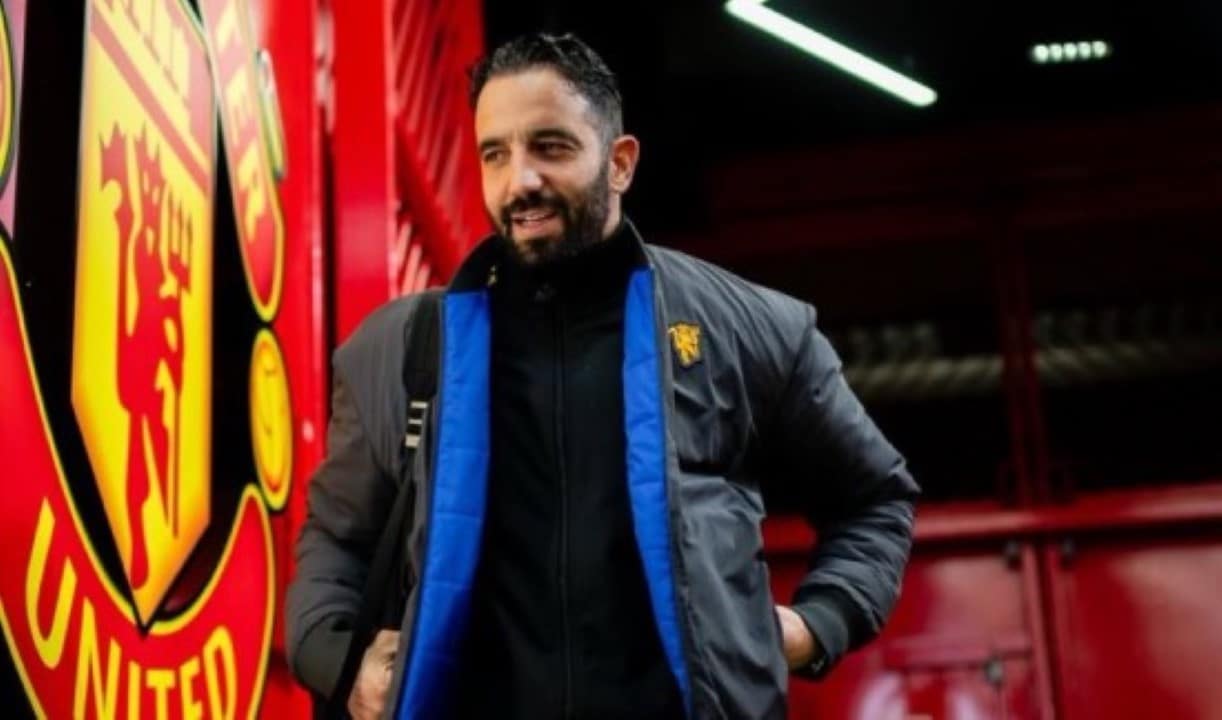 |
Manchester United announced the dismissal of manager Ruben Amorim this week, concluding his tenure at Old Trafford after just 14 turbulent months. The decision follows a period marked by fluctuating team performance and significant internal pressures, leaving fans and analysts questioning the precise factors that led to this abrupt departure from the highly anticipated project.
His appointment in early 2024 generated considerable optimism among supporters, who hoped for a new era of stability and success following years of inconsistent results. However, the initial euphoria quickly gave way to scrutiny as the team struggled to find a consistent identity on the pitch.
Siga o Mix Vale no Google e veja nossas notícias primeiro
The search now begins for a successor to lead the club through a crucial phase of rebuilding and strategic realignment. This sudden change signals a deeper dive into the complexities behind Amorim’s short but impactful reign.
Initial challenges and player dynamics
Upon his arrival, Ruben Amorim inherited a squad grappling with prior tactical systems and existing player contracts. He faced immediate pressure to integrate new signings while simultaneously revitalizing underperforming veterans, a task that proved more arduous than anticipated. Player morale, already a sensitive issue within the club, reportedly deteriorated under the strain of continuous performance demands and positional adjustments.
Reports from sources close to the team indicated early signs of friction between the coaching staff and certain key players regarding playing time and tactical roles. This internal strife, though initially subtle, began to manifest in disjointed performances, particularly in critical league matches and European competitions, setting an unsettling tone for his tenure.
Tactical shifts and inconsistent performance
Amorim’s tactical approach, initially lauded for its intensity and structured pressing, often appeared to falter when confronted with top-tier opposition. He frequently experimented with formations and personnel, leading to a lack of cohesion that prevented the squad from establishing a clear playing style. This constant evolution, intended to adapt to various opponents, instead fostered uncertainty among the players.
The team struggled to maintain possession effectively and convert scoring opportunities, often displaying moments of brilliance followed by long stretches of passive play. These inconsistencies became a hallmark of his management, failing to deliver the sustained dominance expected from a club of Manchester United’s stature. Fans grew increasingly frustrated with the absence of a defined footballing philosophy that could withstand pressure.
Offensive output remained below expectations, with key attacking players failing to consistently produce the numbers anticipated from their talent. Defensively, the team showed vulnerabilities, conceding crucial goals in moments that highlighted a lack of tactical discipline or individual errors, pointing to deeper issues within the squad’s organization.
The turbulent transfer windows
The transfer market proved to be another significant area of difficulty for Amorim and the club’s hierarchy. While Amorim was keen on acquiring players who fit his specific tactical vision, the club’s recruitment strategy did not always align perfectly, leading to a mixed bag of signings. Some high-profile acquisitions failed to integrate seamlessly or deliver the immediate impact expected, intensifying scrutiny on the decision-making process. The summer 2024 transfer window saw significant investment, yet several key targets were missed, and alternatives struggled to fill the void, creating an imbalance in the squad. Financial Fair Play regulations also imposed constraints, complicating the pursuit of elite talent and forcing the club to compromise on certain deals, further limiting Amorim’s ability to shape the team according to his precise requirements.
Dressing room disconnects
Internal turmoil extended beyond tactical disagreements, encompassing broader issues within the dressing room environment. Multiple sources indicated a growing disconnect between the manager and several influential players as his reign progressed. This fragmented relationship reportedly hindered effective communication and collective effort, especially during periods of poor form.
Issues such as player discipline and commitment were occasionally questioned, contributing to a sense of instability. The inability to fully unite the squad behind a common vision ultimately undermined Amorim’s authority and the team’s overall performance, creating a challenging atmosphere for consistent success.
Final match results and dismissal
The culmination of these challenges manifested in a string of poor results in recent weeks, sealing Amorim’s fate. Key defeats against rival clubs and an early exit from a major cup competition amplified the pressure from both the fanbase and the club’s ownership. The team’s performance against a lower-table opponent, which ended in an unexpected loss, served as a final tipping point for the board.
The club hierarchy initiated a comprehensive review of the team’s trajectory and the manager’s performance metrics. Considerations included:
* League position below projected targets
* Inconsistent tactical application
* Failure to progress significantly in European competitions
* Player performance levels and overall squad morale
The board concluded that a change was necessary to re-energize the club and prevent further decline.
The financial implications
The dismissal of Ruben Amorim carries substantial financial implications for Manchester United, including compensation payouts for the manager and his coaching staff. These costs, combined with the expenditure on new signings who may not fit the next manager’s plans, represent a significant burden on the club’s finances. Navigating these economic challenges will be crucial for the club’s long-term sustainability and future transfer strategies.
What’s next for Old Trafford
Manchester United now faces the critical task of identifying a new manager who can not only stabilize the squad but also implement a clear, long-term vision. The next appointment will be under immense scrutiny, expected to address the tactical deficiencies, improve player relations, and reinvigorate the club’s pursuit of silverware. This period marks another pivotal moment in the club’s ongoing effort to reclaim its position at the pinnacle of English and European football.
The incoming manager will be tasked with evaluating the current squad to determine which players align with the club’s future aspirations. This may lead to another significant transfer window, focusing on strategic acquisitions to build a more cohesive and resilient team capable of competing at the highest level consistently.