

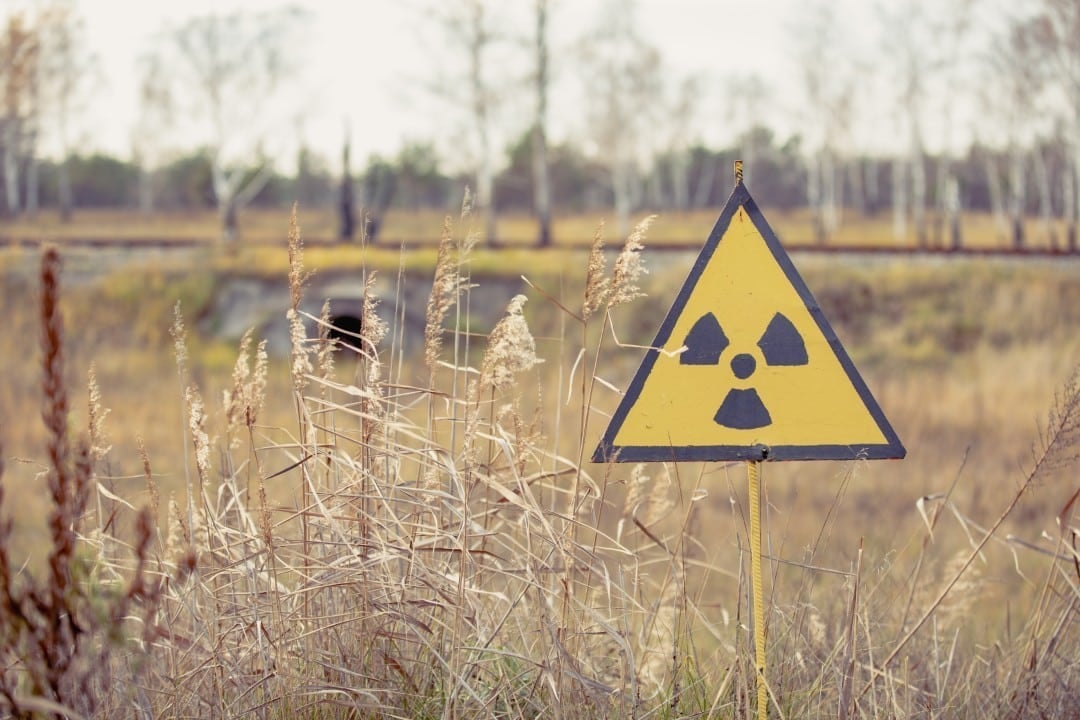
A life form discovered at the epicenter of the Chernobyl nuclear disaster is being investigated as a possible solution to one of the greatest challenges in space exploration. The black fungus, identified as
This microorganism’s unique ability to metabolize ionizing radiation has opened a new field of research with direct implications for the safety of future space crews. Cosmic radiation poses a significant health risk to astronauts outside of Terra’s magnetic field, and scientists believe that a biological shield made from this fungus could offer lightweight, efficient and self-healing protection.
Experiments carried out on board the Estação Espacial Internacional (ISS) have already provided promising data, confirming that even a thin layer of the fungus is capable of attenuating the passage of radiation. Esta discovery is driving the development of new biological materials that could revolutionize the way humanity protects itself in hostile environments, both in space and on Terra.
The surprising discovery in reactor 4
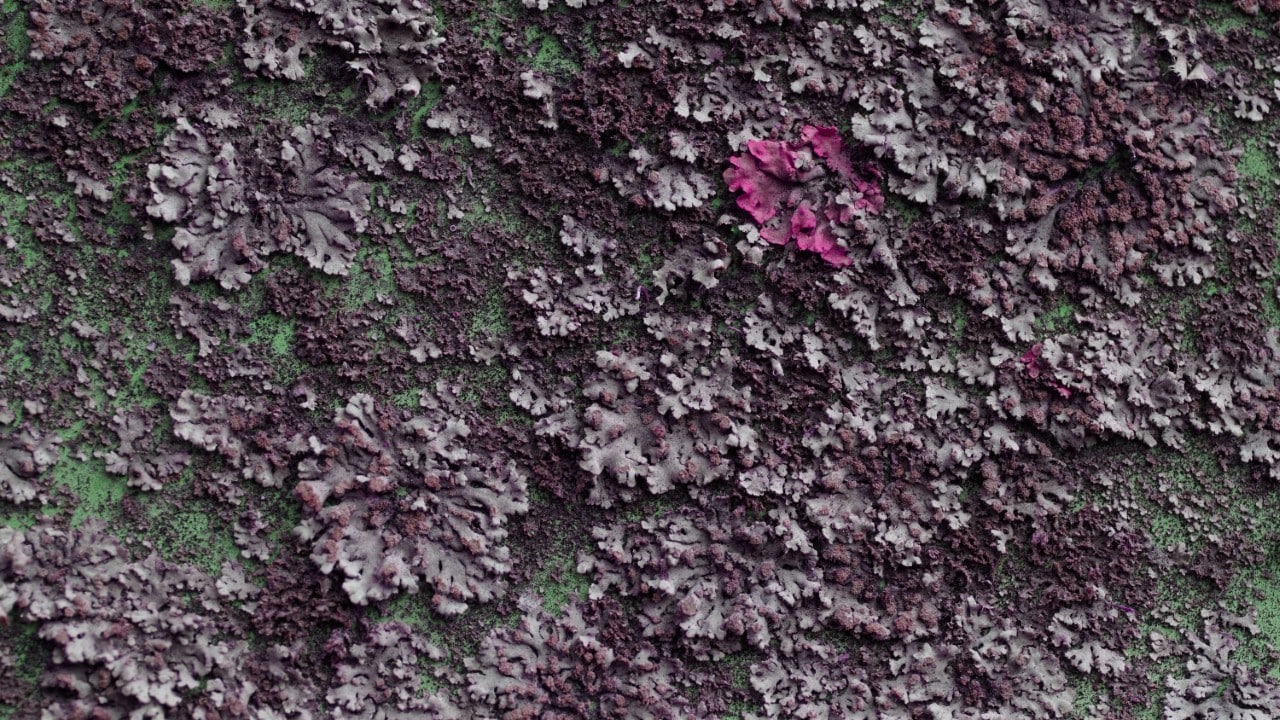
In 1991, just five years after the explosion, Ukrainian scientists exploring the interior of the concrete sarcophagus of Chernobyl reactor 4 made an unexpected discovery. Contrariando Expecting to find a sterile environment due to the very high levels of gamma radiation, they observed the reactor walls covered in a dark layer of fungi, demonstrating remarkable biological resilience.
Among the various species found, Cladosporium sphaerospermum attracted attention because it seemed to actively grow towards radiation sources, as if it were attracted to them. Análises later confirmed that this fungus, rich in melanin, accumulated radioactive isotopes in its tissues, triggering decades of studies to uncover the secret behind its extreme survival.
The role of melanin in radiosynthesis
The secret to the extraordinary ability of the Chernobyl fungus lies in melanin, the same pigment that protects human skin from ultraviolet rays. Fundamental research in 2007, led by radiopharmacologist Ekaterina Dadachova, demonstrated that fungi with melanin grew faster when exposed to radiation levels 500 times higher than normal. The theory is that ionizing radiation changes the electronic properties of the melanin molecule, allowing it to capture the energy of gamma rays. Essa captured energy is then converted into chemical energy, which the fungal cell uses to fuel its metabolism and growth. Este process was called radiosynthesis, a form analogous to plant photosynthesis, but which uses radiation instead of light as the primary source of energy. Although the molecular details of how energy is transferred to metabolic pathways are still the subject of intense investigation, the discovery established a new class of organisms, radiotrophs, which feed on an energy source that is lethal to most other forms of life on the planet.
Tests at Estação Espacial Internacional
To validate the fungus’ potential in a real space environment, samples of C. sphaerospermum were sent to Estação Espacial Internacional in 2020.
In the experiment, the fungus was grown on Petri plates for 30 days, being directly exposed to cosmic radiation and solar particles present in the low orbit of Terra.
Sensors positioned under the culture measured the amount of radiation that passed through the fungal layer. The results showed that a layer just 1.7 to 2 millimeters thick reduced the radiation dose by approximately 2.54%.
Although the percentage seems modest, projections indicate that a thicker layer, about 21 centimeters, could significantly attenuate radiation, offering viable protection for astronauts on a trip to Marte.
Future applications on Terra and in space
The main application envisioned is the creation of biological shields for ships and habitats in Marte, which would be lighter than traditional materials, such as lead, and would have the ability to self-regenerate in case of damage.
In Terra, the technology could be used to develop more efficient protective clothing for nuclear power plant workers and medical equipment.
Another promising field is bioremediation, using the fungus to decontaminate soil and water affected by radioactive waste.
Challenges and the way forward
Despite the optimism, the scientific community is still working to fully understand the process. A 2022 review by Universidade Stanford pointed out that there is still no definitive proof that the fungus performs carbon fixation using radiation energy alone.
Additionally, there are significant engineering challenges to implementing this technology in space, such as developing life support systems for the fungus and safely integrating it into spacecraft structures.
Ongoing research and genetic modification
Laboratories in several countries continue to investigate C. sphaerospermum and other radiotrophic fungi to improve their capabilities.
One of the most promising research fronts involves the genetic modification of the organism to increase its efficiency in absorbing and converting radiation, making it an even more powerful biological shield.
From nuclear disaster to cosmic hope
The journey of the fungus of Chernobyl is a testament to life’s incredible ability to adapt, transforming the legacy of a human catastrophe into a source of hope for the future of space exploration.



