
Asian stock markets largely decline on thursday as geopolitical tensions intensify and Wall Street momentum fades

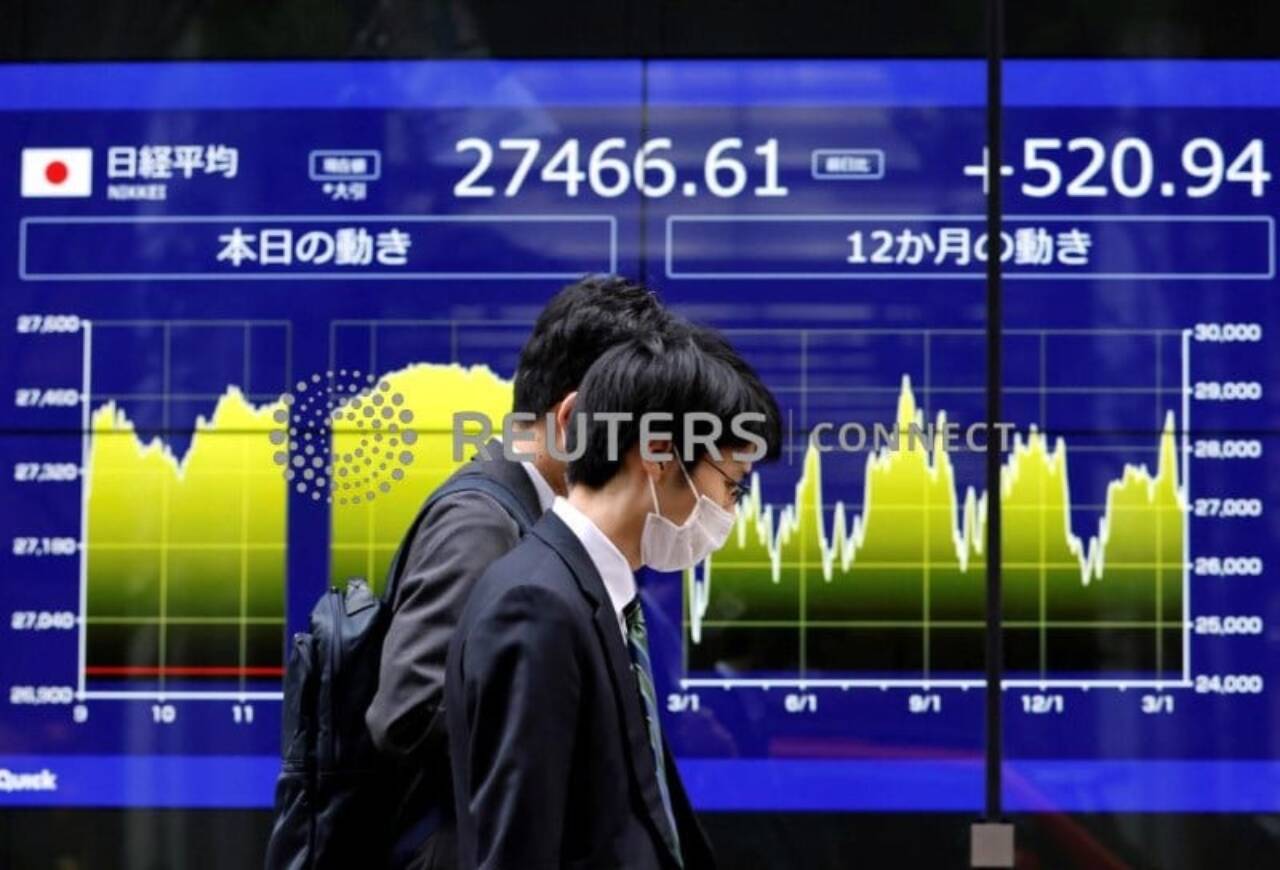
Asian stock markets closed predominantly lower on Thursday, February 8, 2026, signaling a cautious global investor sentiment. This widespread downturn reflected a cooling off of the robust rally that characterized the initial days of the year on Wall Street, alongside renewed concerns over geopolitical stability.
The shift in market mood was palpable across major regional exchanges, as investors reassessed risk exposure amid various global developments. Technology shares, in particular, faced significant selling pressure, contributing heavily to the broader market retreats.
This confluence of factors underscores a period of recalibration for financial markets, moving away from early-year exuberance towards a more tempered outlook influenced by external pressures and specific sector vulnerabilities.
Japanese market leads declines
Japan’s Nikkei index experienced a notable drop, falling 1.63% in Tokyo to close at 51,117.26 points. This decline was primarily driven by a significant sell-off in technology stocks, which had previously fueled much of the market’s upward trajectory.
Among the prominent tech firms, SoftBank Group, a major investment conglomerate focused on technology, saw its shares tumble by 7.59%. Similarly, Tokyo Electron, a key manufacturer of semiconductor equipment, recorded a substantial retreat of 4.01%, highlighting the sector-specific challenges impacting the Japanese market.
Broader asian trends and regional shifts
Across other significant Asian markets, the negative sentiment largely prevailed. Hong Kong’s Hang Seng index registered a decline of 1.17%, settling at 26,149.31 points by the close of trading. This movement aligned with the broader regional trend of market contraction.
Taiwan’s Taiex index also experienced a dip, albeit a more moderate one, shedding 0.25% to finish at 30,360.55 points. The widespread nature of these declines across key economic hubs in Asia suggests a shared response to overarching global market dynamics rather than isolated incidents.
Geopolitical concerns weigh on investor sentiment
Geopolitical risks have re-emerged as a significant limiting factor for investor appetite for equities. Recent comments from U.S. President Donald Trump have notably impacted defense stocks, stirring uncertainties across various sectors and regions.
Furthermore, escalating geopolitical tensions linked to countries like Venezuela and the strategic significance of Greenland continue to restrict enthusiasm for riskier assets. These developments create a climate of caution, leading many investors to adopt a more defensive posture in their portfolios.
The interconnectedness of global politics and economic stability means that events in one region can quickly reverberate through international markets. This ongoing uncertainty prompts investors to seek safer havens, pulling capital away from more volatile equity markets.
Exceptions to the downturn and bright spots
Contrasting with the predominantly negative performance across Asia, South Korea’s Kospi index managed to secure a marginal gain, rising 0.03% in Seoul to 4,552.37 points. This positive movement marked a significant achievement for the Kospi, which renewed its historical high for the fifth consecutive trading session.
In Oceania, the Australian stock exchange also recorded a positive day, extending its gains for the second consecutive session. The S&P/ASX 200 index advanced 0.29% in Sydney, closing at 8,720.80 points, providing a regional counterpoint to the broader Asian declines.
China markets show stability
Markets in mainland China demonstrated a tendency towards stability amid the regional volatility. The Shanghai Composite index registered a slight decrease of 0.07%, closing at 4,082.98 points, indicating minimal movement despite the broader Asian downturn. The less comprehensive Shenzhen Composite index, meanwhile, experienced a modest gain of 0.17%, reaching 2,624.99 points. This relative stability could be attributed to a combination of domestic factors and a potentially more insulated market environment. Investors in China are also keenly awaiting the release of December inflation data, expected later this evening, which could provide further direction for the mainland markets and offer insights into the health of the Chinese economy.
Outlook and economic indicators
The broader market environment in early 2026 reflects a complex interplay of global economic factors and heightened geopolitical anxieties. Investor focus remains keenly on upcoming economic data and political developments that could shape market trajectories in the coming weeks.



