
Consumption of broccoli and cruciferous vegetables protects against aggressive breast cancer, Harvard study finds

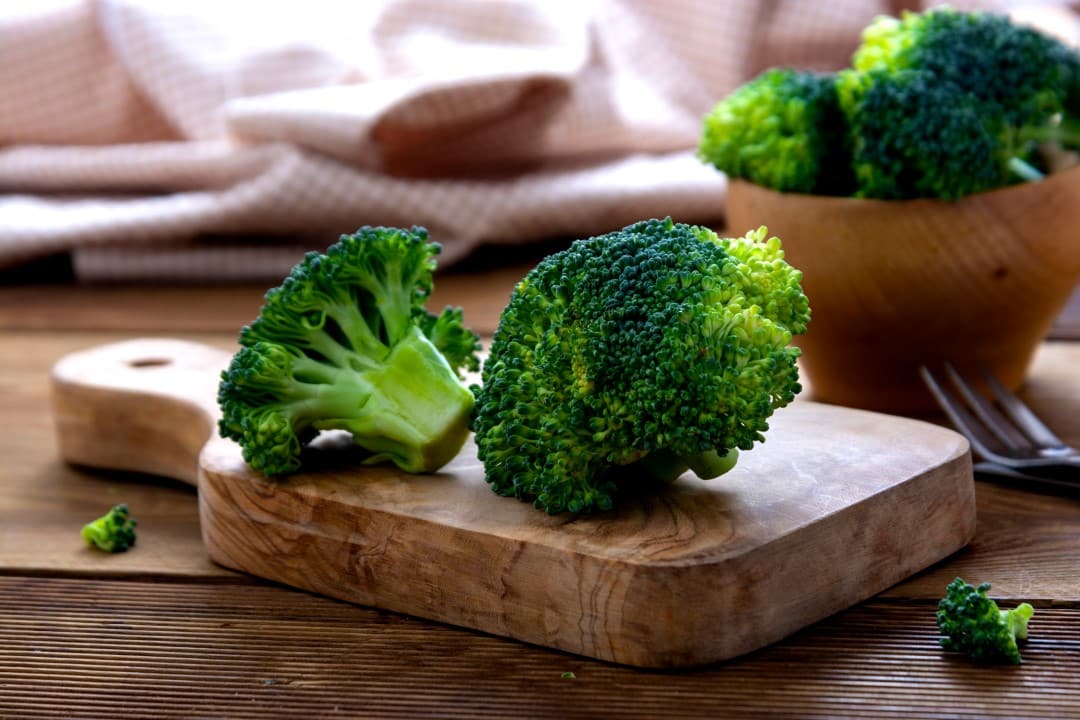
In-depth research conducted by scientists from Harvard has established a significant connection between regularly consuming cruciferous vegetables such as broccoli and cauliflower and reducing the risk of developing aggressive forms of breast cancer. The data, presented during Simpósio of Câncer of
The study analyzed the eating habits of a large group of women over several years, revealing a clear pattern. Aquelas who consumed more than five to six servings of these vegetables per week had a considerably lower risk compared to those who ate less than one serving per week. The discovery reinforces the crucial role of a balanced diet rich in specific nutrients in preventing complex diseases.
The protection offered by these foods is attributed to unique bioactive compounds, mainly glucosinolates. Essas substances, when metabolized by the body, modulate several biological pathways directly linked to carcinogenesis, acting as a natural defense against the development of tumor cells. Scientific work validates the importance of healthy eating patterns as a long-term preventive strategy.

What defines cruciferous vegetables
Cruciferous vegetables belong to the Brassicaceae family, named for the cross shape of their flowers. Este group includes widely known and accessible foods such as broccoli, cauliflower, cabbage, Bruxelas kale, arugula and watercress. Além of their anti-cancer potential, they are valuable sources of fiber, essential vitamins such as C and K, and minerals important for the body’s functioning.
The difference between these vegetables lies in the high concentration of glucosinolates, compounds rich in sulfur. Quando Chewed or cut, these compounds hydrolyze and transform into isothiocyanates, such as sulforaphane, a molecule intensely studied for its preventive properties. Essa chemical transformation is the starting point for the cascade of protective effects observed in the body.
Coordinated action mechanisms
The compounds present in cruciferous vegetables interfere with multiple stages of cancer formation, acting in a coordinated way to protect cells. One of the main mechanisms is the activation of detoxification enzymes in the liver, which neutralize carcinogens before they can cause irreparable damage to DNA. At the same time, they inhibit other enzymes that could convert harmless compounds into carcinogenic agents, functioning as a protective filter.
Another route of action involves epigenetic modulation, a process that does not alter the DNA sequence, but influences the way genes are read and expressed. Isothiocyanates can restore the expression of tumor suppressor genes that have been “silenced” in altered cells. Essa ability to reactivate the cell’s own natural defenses is one of the most promising aspects of its preventive action, helping to correct flaws in cell cycle control.
The action of these compounds is systemic, contributing to an internal environment that is less conducive to the development of tumors. The complexity of their biochemical interactions demonstrates how nutrition can directly influence cellular health, offering an additional layer of defense against external and internal aggressors that can lead to the onset of cancer.
Induction of apoptosis and inflammatory control
When cellular damage becomes too extensive to repair, cruciferous compounds perform another vital function: inducing apoptosis, or programmed cell death. Eles activate damage-sensing proteins that signal the defective cell to self-destruct in a controlled manner. Essa action is essential to prevent the uncontrolled proliferation of cells with mutations, which is the basis for the formation of a tumor.
By selectively eliminating problem cells, the process prevents the accumulation of dangerous mutations that could lead to cancer. Trata is a cellular cleansing mechanism that maintains tissue integrity and prevents abnormal growth. Essa The ability to regulate the life cycle of cells is one of the body’s most effective defenses.
Additionally, cruciferous vegetables help reduce chronic inflammation, a factor known to promote the growth and progression of tumors. Eles decrease signals that promote angiogenesis, which is the formation of new blood vessels. Limitar the nutritional supply to potential tumors hinders their growth and ability to spread to other parts of the body, a process known as metastasis.
Greater impact on aggressive tumors
Data from the Harvard study revealed that the protection afforded by cruciferous vegetables is even more pronounced against estrogen receptor-negative breast cancer. Esse subtype of the disease does not respond well to conventional hormonal therapies, which makes the prognosis more challenging and treatment options more limited. Mulheres with the highest cruciferous consumption in the study showed a risk reduction of up to 13% for these specific cases, a statistically relevant number.
Individual factors, such as body mass index (BMI), also appear to influence the magnitude of benefit, with stronger effects seen in women with a BMI within the range considered normal. The study’s long follow-up period allowed the researchers to adjust the results for other important variables, such as age, level of physical activity and family history of cancer, strengthening the validity of the conclusions.
Ideal frequency for consumption
For the benefits to be achieved, consistency is essential. The study points out that the protective effect accumulates with regular intake over the years, and is not the result of occasional consumption. Women who maintained the habit of including daily portions or several weekly portions in their diet were those who showed the most favorable results.
The dietary questionnaires, updated periodically during the research, ensured greater precision in consumption estimates. Isso made it possible to more assertively correlate eating habits with observed health outcomes, solidifying the evidence of the association.
Experts reinforce that the inclusion of these vegetables should be part of a healthy and comprehensive lifestyle. The diet does not replace screening tests, such as mammography, nor recommended medical treatments. Protection is a complementary and preventive strategy.
Early adherence to these eating habits maximizes the potential for protection, but researchers highlight that late dietary changes can still bring significant health gains, demonstrating that it is never too late to adopt a healthier lifestyle.
Additional health benefits
In addition to cancer prevention, regular consumption of cruciferous vegetables offers a number of other health benefits. The high fiber content helps in the proper functioning of intestinal transit, preventing constipation and contributing to the health of the microbiota. Essa feature also promotes greater satiety, which can be a useful tool in weight control, helping to avoid excessive calorie consumption throughout the day.
These foods also play a role in systemic inflammatory balance and cardiovascular health. Sua versatility and affordable cost make it easy to incorporate into your daily eating routine. Podem be consumed in salads, soups, stir-fries or as side dishes, allowing for a wide variety of preparations that adapt to different palates and culinary cultures.
Preparation and incorporation into the diet
To preserve bioactive compounds as much as possible, the method of preparation is important. Cozinhar lightly steaming or quickly sautéing are methods that keep the glucosinolates more active. Evitar Excessive cooking in water prevents the loss of soluble nutrients, ensuring that the body can absorb the greatest possible amount of its beneficial components. Combining with sources of healthy fats, such as olive oil, can improve the absorption of fat-soluble vitamins present in these vegetables.




