

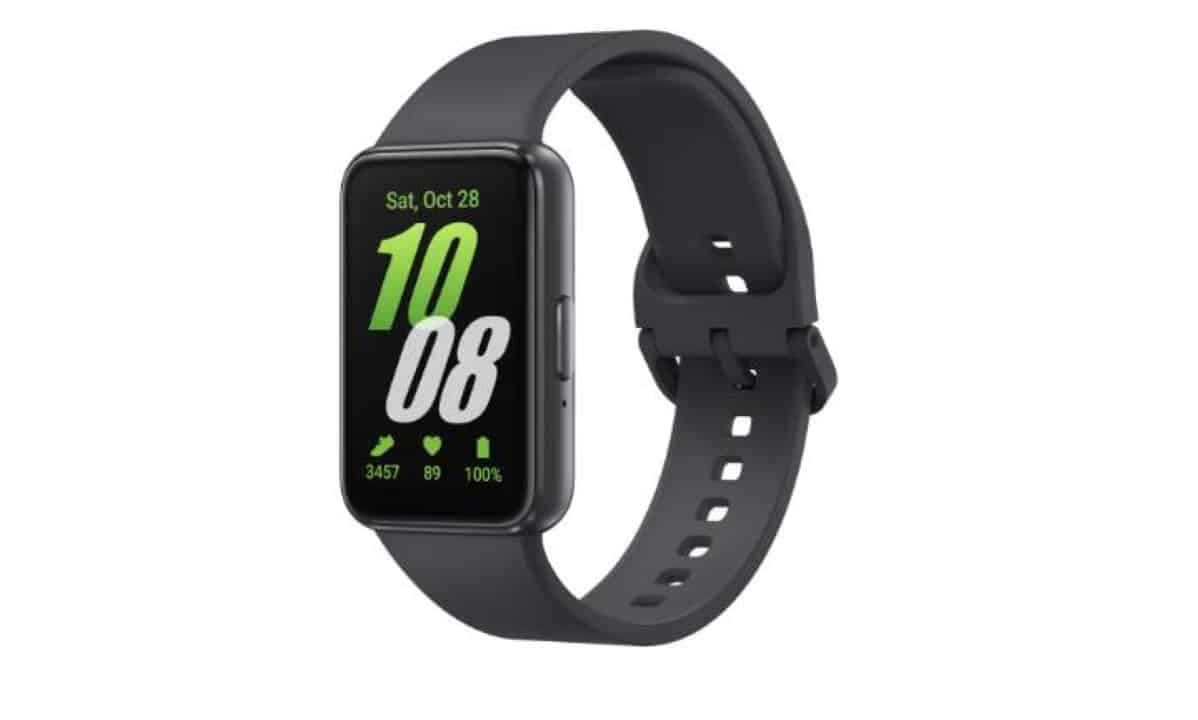
The Galaxy Fit 3 smart bracelet from Samsung, originally launched in February 2024, repositions itself on the market as one of the most competitive options in terms of cost-benefit. The device, which arrived in the country with a suggested price of R$549, can currently be found on several online retail platforms for prices starting at R$268, representing a considerable devaluation that attracts new consumers.
Essa queda de preço torna o wearable uma porta de entrada acessível para usuários que desejam monitorar a saúde e atividades físicas com um aparelho de marca reconhecida. A smartband se destaca por oferecer um conjunto robusto de funcionalidades, que vão desde o acompanhamento de métricas vitais até o rastreamento de uma centena de modalidades esportivas, consolidando sua proposta de valor.
The device is especially attractive to users in the Android ecosystem, offering optimized integration with Samsung’s own smartphones. The combination of premium design, high-quality display and comprehensive monitoring capabilities, now at a lower price, makes the Galaxy Fit 3 a strategic choice for those looking for functional wearable technology without a large financial investment.
Improved design and comfort for continuous use
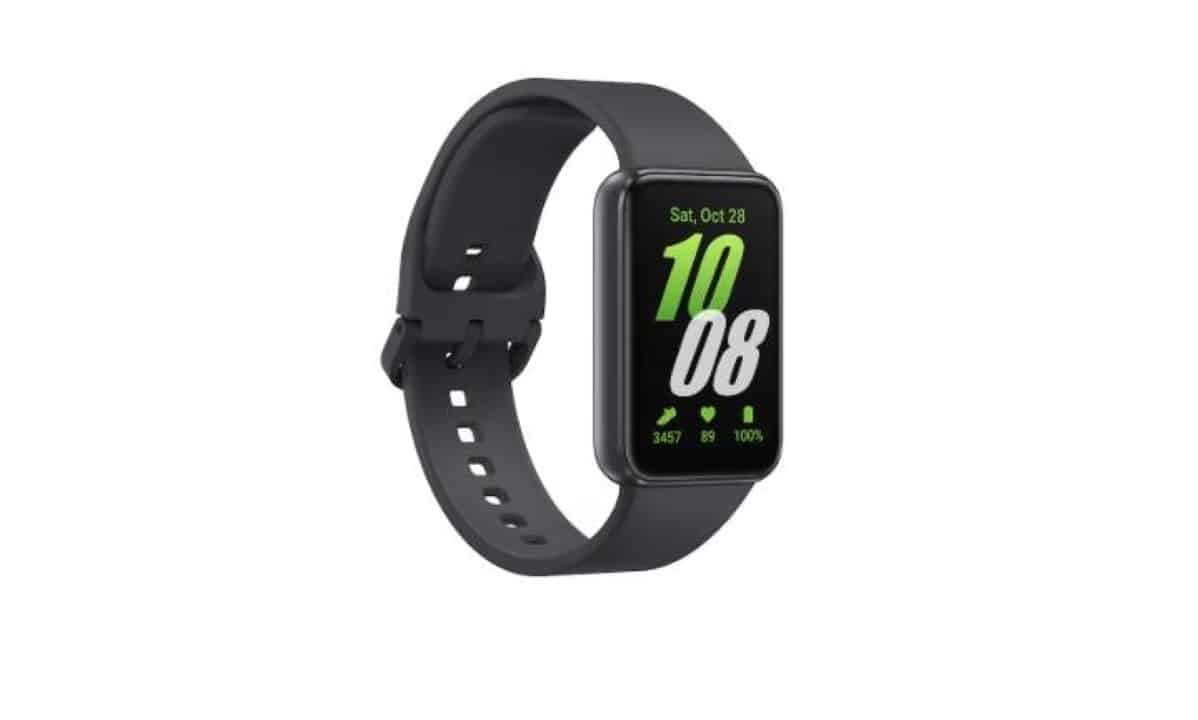
One of the main differences of the Samsung Galaxy Fit 3 is its construction and design, which resemble more expensive smartwatches. The body of the device is made of aluminum, giving it a premium appearance and greater durability compared to competitors that predominantly use plastic. Weighing just 18.5 grams (without the bracelet), the wearable is extremely light and comfortable for continuous use, including while sleeping, without causing discomfort. The standard silicone strap is soft and flexible, and the quick-change mechanism allows customization with other options available on the market. The device has IP68 and 5ATM certifications, guaranteeing resistance against dust and water, which allows it to be used in water activities such as swimming in pools or taking a shower, as well as intense training in the rain. The 1.6-inch AMOLED screen is another strong point, being significantly larger than its predecessor. With a resolution of 256 x 402 pixels, the display offers vibrant colors, deep blacks and excellent visibility even in direct sunlight, making it easy to read notifications and health data. A single physical button on the side complements touch navigation, serving as a shortcut for training or returning to the home screen.
A complete health center on your wrist
The Galaxy Fit 3 stands out as a comprehensive tool for health monitoring. The device continuously monitors heart rate and blood oxygenation levels (SpO2), in addition to measuring the user’s stress level throughout the day. Todos data is synced and analyzed in the Samsung Health app, which offers detailed graphs and insights into overall well-being. Sleep monitoring is particularly advanced, being able to detail the different phases of rest, such as light, deep and REM sleep. An interesting feature is snoring detection, which uses the paired smartphone’s microphone to record events during the night. Based on this information, the app generates a sleep score and offers a personalized training program to help improve the quality of your night’s rest.
In addition to traditional metrics, the smartband incorporates important security features. Fall detection, for example, identifies a strong impact and, if the user does not respond, can automatically trigger an emergency contact. Da Likewise, the Emergência SOS function can be activated by pressing the side button five times in a row, sending the user’s location to pre-selected contacts. Para the female audience, menstrual cycle monitoring is a useful tool for tracking periods and predicting fertility windows. Esses features, combined, transform the bracelet into a proactive health assistant that goes beyond simply recording physical activities.
Versatility for more than 100 sports disciplines
For fitness enthusiasts, the Galaxy Fit 3 supports tracking over 100 exercise types. The list ranges from the most common, such as walking, running and cycling, to more specific options such as yoga, weight training and swimming.
The device has automatic detection for six popular modes, including running, walking, elliptical and rowing. Isso means that, even if the user forgets to start training manually, the bracelet recognizes the activity after a few minutes and starts recording data retroactively.
During your workouts, the screen displays essential real-time metrics like duration, calories burned, distance traveled, and heart rate. The lack of a built-in GPS is a notable limitation, requiring the band to be connected to a smartphone to accurately map outdoor activity routes. However, for indoor training, its performance is quite reliable.
Battery performance and connectivity
The Samsung promises autonomy of up to 13 days for the 208 mAh battery of the Galaxy Fit 3, a number that puts it in a competitive position in the smartband market. Essa estimate, however, is based on use considered light, without many features activated.
In a real and more intense usage scenario, with continuous monitoring of heart rate and sleep, constant receipt of notifications and average screen brightness, autonomy tends to be between seven and ten days. Esse time is still considered excellent and eliminates the need for daily refills.
Enabling Always-On Display mode, which keeps the screen always on to display the time, significantly impacts battery life, reducing it to around three to four days. Charging is carried out using a proprietary magnetic connector with a USB-C tip, and the process to take the battery from 0% to 100% takes approximately one and a half hours.
In terms of connectivity, it is important to highlight that the Galaxy Fit 3 is exclusively compatible with devices that run the Android operating system. iPhone Usuários will not be able to pair or use the bracelet’s features, which specifically targets the Google platform audience.
Market analysis and price positioning
With the reduction of its price to the range below R$300, the Samsung Galaxy Fit 3 starts to compete directly with popular models such as the Xiaomi Smart Band and the Huawei Band. Seu’s main asset in this dispute is the superior finish, with an aluminum body, which gives it a robustness and elegance generally found in more expensive devices.
The 1.6-inch AMOLED screen is also an important differentiator, offering a more pleasant and functional visual experience than many of its rivals. The deep integration with the Samsung ecosystem, especially with the Samsung Health application, is another advantage for those who already use the brand’s smartphones. However, the lack of integrated GPS and NFC technology for contactless payments are points where competitors in the same price range may have an advantage, depending on the consumer’s priority.
Where to find and customization
The Galaxy Fit 3 is widely available in the main Brasil marketplaces, such as Amazon and Mercado Livre, in addition to national retail stores. The device is sold in three main colors: graphite, silver and rose, catering to different styles. One of the biggest attractions is the customization capacity, with more than 100 watch faces available for free through the Galaxy Wearable app. Essa variety allows the user to adapt the appearance of the main screen to match their mood, outfit or occasion, making the using experience more dynamic and personal.
Verdict on current value for money
The significant drop in price transformed the Samsung Galaxy Fit 3 into one of the best cost-benefit smartbands available on the market. The device delivers a robust set of features, which suits both casual users and those more dedicated to monitoring health and physical activities.
For those looking for a reliable wearable, with a premium design, high-quality screen and advanced health features without having to invest a large amount, the Galaxy Fit 3 presents itself as a good choice, especially for users already included in the Android ecosystem.



