
Serious lithium battery failure forces BYD to recall almost 90,000 vehicles in China


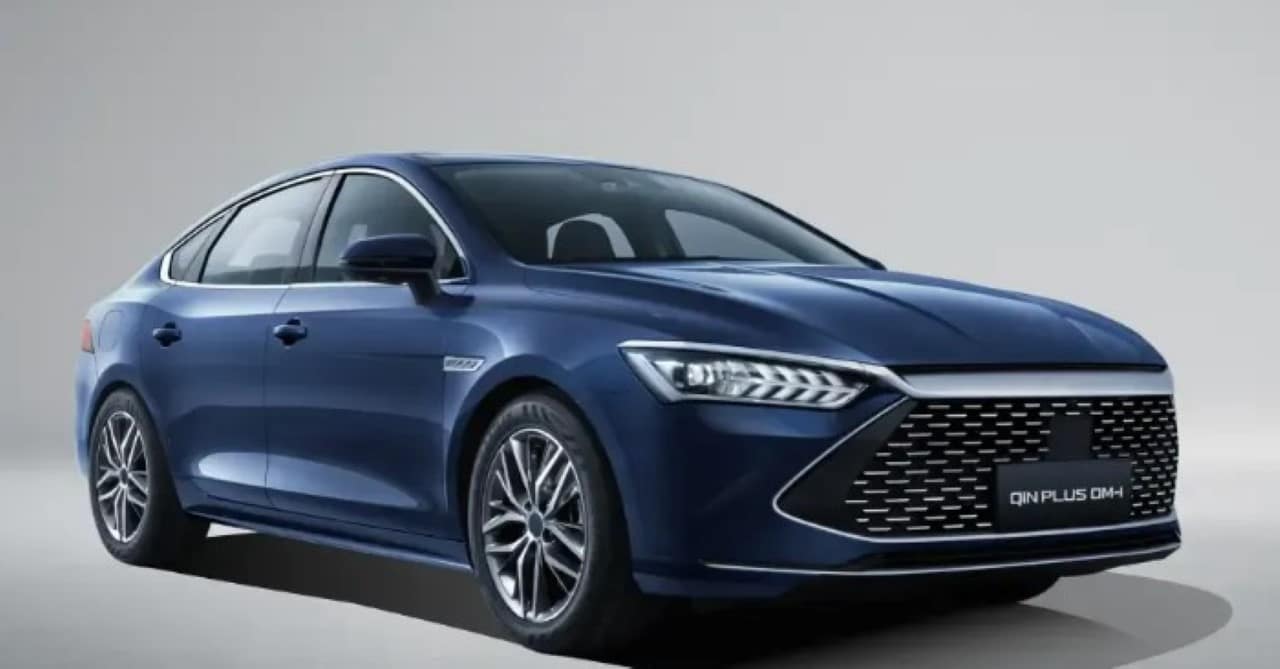
BYD, one of the world’s largest electric vehicle manufacturers, announced a large-scale recall on China involving 88,981 units of its popular plug-in hybrid model, the Qin Plus DM-i. The measure was motivated by a serious fault identified in the lithium battery pack, which presents potential risks to the safety of occupants and the vehicle.
The recall covers vehicles produced between January 2021 and September 2023. The failure, according to the official statement, is related to a manufacturing defect in the battery pack plates, which could, under specific conditions, compromise electrical insulation and increase the risk of overheating and fire.
The recall was formalized with Administração Estatal to Regulação of Mercado of China (SAMR), the government agency responsible for supervising product quality and consumer safety in the country. Preventive action aims to correct the problem before more serious incidents can occur, ensuring the integrity of vehicles in circulation.
Technical details of the identified fault
The technical investigation indicated that the problem lies in the inconsistency of the manufacturing process of the internal plates of the high voltage battery pack. Essa irregularity can lead to misalignment or improper contact between components, creating a point of vulnerability in the system. Sob certain conditions of use and charging, this fault may develop into an internal short circuit, a dangerous event in lithium-ion batteries.
When a short circuit occurs, the stored energy is released quickly and uncontrollably, generating an abrupt increase in temperature, a phenomenon known as thermal runaway. Este process can permanently damage the battery and, in extreme cases, start a fire that is difficult to contain. The vehicle management system (BMS) may not be able to detect the failure at its early stage, making recall action essential for risk mitigation.
The solution proposed by the manufacturer
To solve the problem, BYD outlined an action plan that combines remote and physical interventions. The first step is to release an over-the-air (OTA) software update to all affected vehicles. Este new software enhances the battery management system’s algorithms, allowing for more rigorous monitoring and early detection of anomalies that may indicate failure.
The software update, however, is a mitigation measure. The definitive solution involves a physical inspection at authorized dealers. Technicians will evaluate the battery pack of each vehicle included in the recall.
If any irregularity or sign that the component is outside of safety specifications is identified, BYD will completely replace the battery pack at no cost to the owner. The company assured that the entire procedure will be free and aims to restore full reliability and safety to the Qin Plus DM-i models.
BYD’s recent recall history
This recall of the Qin Plus DM-i is not an isolated event for BYD, which has faced quality control challenges amid its rapid global expansion. Nos recent months, the company has held other significant recalls in the Chinese market, indicating growing attention from regulatory bodies on the safety of its vehicles.
In October, for example, the manufacturer called a recall for more than 115 thousand units of the Tang DM-i and Yuan Pro models. The reason, at the time, was related to a potential latent fire risk linked to an electrical component, also in the high voltage system.
Previously, another recall involved almost 97 thousand units of the Dolphin and Yuan Plus models due to problems with the electric motor control unit. Failure could cause an unexpected loss of power while driving, increasing the risk of accidents.
This sequence of recalls, while demonstrating the company’s proactive stance in correcting flaws, also sheds light on the difficulties of maintaining a consistent quality standard while production reaches record volumes to meet the growing demand for electric and hybrid vehicles.
Positioning of the Chinese regulatory agency
The Administração Estatal to Regulação from Mercado (SAMR) has intensified its oversight of the electric vehicle industry, which has become a strategic pillar for the Chinese economy. The body acts rigorously to ensure that safety standards are met, especially in emerging technologies such as high voltage batteries. SAMR’s intervention in cases like BYD is essential to protect consumers and maintain public trust in the sector. The process typically begins with incident reporting from consumers or the manufacturer itself, followed by an in-depth technical investigation to determine the root cause and extent of the problem. Based on the results, the agency determines the need for a recall and oversees the company’s proposed correction plan, ensuring that solutions are effective and comprehensively implemented for all affected vehicles.
Implications for vehicle owners
Owners of the nearly 89,000 BYD Qin Plus DM-i vehicles involved in the recall will be notified directly by the company through its official communication channels, including apps, emails and correspondence. The recommendation is that, upon receiving the communication, you immediately schedule a visit to an authorized dealer to carry out the necessary procedures.
Until inspection and possible component replacement is performed, drivers are advised to monitor vehicle behavior and avoid extreme usage or charging conditions. The company will provide an online platform where owners can check whether their vehicle is included in the recall campaign by entering the vehicle identification number (VIN).
Security in the electrical market
Battery safety remains one of the biggest challenges for the electric vehicle industry. À medida que as empresas buscam maior densidade energética para aumentar a autonomia, os riscos associados a defeitos de fabricação ou design se tornam mais críticos, exigindo processos de controle de qualidade extremamente rigorosos.
Procedures for affected owners
BYD has already started contacting vehicle owners to schedule the necessary repairs. The company reinforced that all procedures, including software updating, detailed inspection and possible replacement of the battery pack, will be carried out completely free of charge.
Os clientes podem verificar a elegibilidade de seus carros para o recall por meio do site oficial da fabricante ou entrando em contato com a central de atendimento ao cliente. A rede de concessionários foi instruída a priorizar o atendimento desta campanha para minimizar os transtornos aos consumidores e garantir que a frota afetada seja corrigida o mais rápido possível.



