

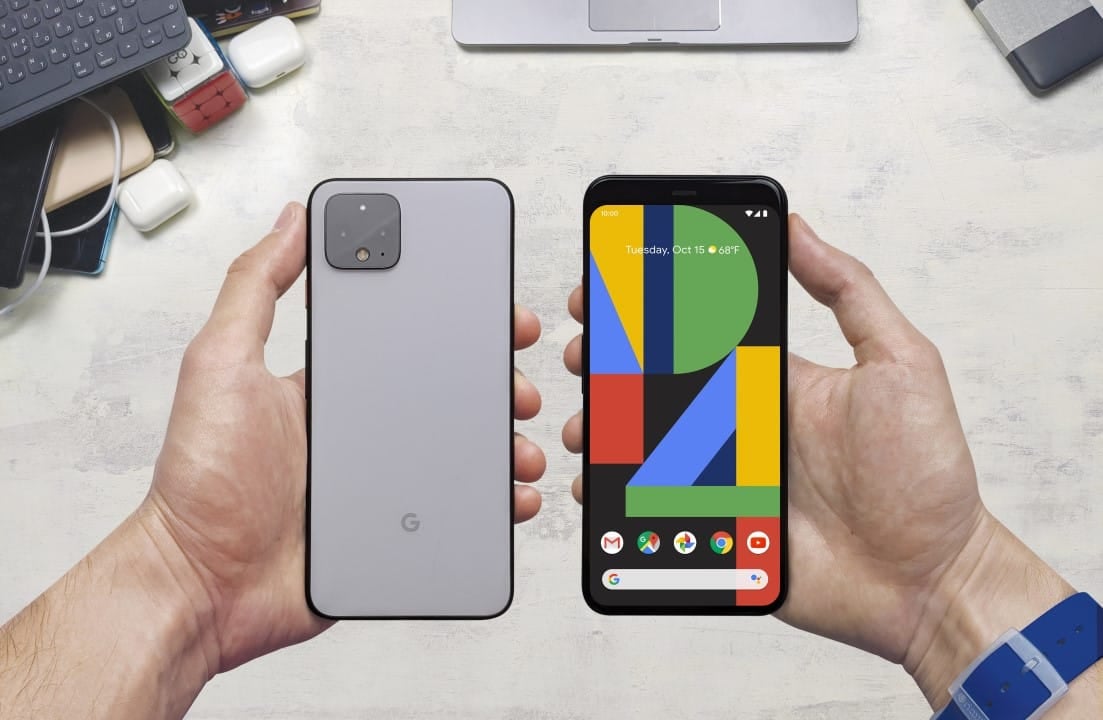
The Google Pixel 4 and Pixel 4 XL smartphones, originally launched in 2019, received an unexpected survival thanks to the work of the developer community. The team behind the LineageOS project announced the official inclusion of the two models in the list of devices compatible with version 23 of the system, which is based on Android 16. Esta new feature allows devices, whose official Google support ended in 2022, to access the latest version of the operating system.
The initiative represents a robust alternative for users who want to continue using their devices safely and with access to new features. The end of support from the manufacturer means that devices no longer receive security updates and new versions of Android, becoming progressively more vulnerable to digital threats and incompatible with modern applications. With LineageOS, this barrier is effectively removed.
In addition to the Pixel 4 duo, other devices of the same generation were also granted official compatibility, including the Pixel 4a, the Pixel 4a 5G, the Pixel 5 and the Pixel 5a. The measure demonstrates the project’s commitment to keeping a wide range of devices up to date, offering a viable alternative to the hardware replacement cycle imposed by the market.

What does official LineageOS support mean?
The arrival of official LineageOS 23 support is a milestone for Pixel 4 and 4 XL owners. Diferente of unofficial versions, which are often compiled by individual developers and may contain instabilities, the official build goes through a rigorous testing process and ongoing maintenance by the project team. Isso ensures that essential functionalities such as calling, data connectivity, Wi-Fi, camera and sensors operate reliably for everyday use.
LineageOS is known for offering a pure Android experience, without the modifications and pre-installed applications that many manufacturers add to their systems. Para users, this translates into more responsive performance and greater control over the device’s software. The custom ROM also includes privacy and customization features not found in the standard version of Android, allowing you to fine-tune the usage experience.
Installation procedure and its main risks
Despite the benefits, installing LineageOS 23 is not a trivial procedure and is only recommended for users with advanced technical knowledge. The process first requires unlocking the device’s bootloader, a security lock that prevents the installation of operating systems not authorized by the manufacturer. Step Este, by itself, completely erases all data stored on the device, including photos, applications and settings, making it crucial to perform a complete backup. Após to unlock, it is necessary to install a custom recovery, such as TWRP, to then manually “flash” the LineageOS ROM and, optionally, the Google applications (GApps), which are not included by default. One of the main risks associated with this process is the loss of Google’s SafetyNet certification, which may prevent banking and contactless payment applications from functioning, as well as streaming platforms that use DRM protection. Embora There are methods to work around this limitation, they are not guaranteed and may require ongoing maintenance.
A new life for competent hardware
For many owners who kept the Pixel 4 as a secondary or backup device, this update gives the device a new use. The smartphone’s hardware, which includes the Snapdragon 855 processor and a high-quality camera, is still considered competent for most everyday tasks such as internet browsing, social media use, messaging and media consumption. With the Android 16, the device once again becomes viable as a flagship device, receiving the latest performance optimizations and security patches, significantly extending its useful life and offering a more sustainable option than purchasing a new model.
Limitations and what to expect from future versions
It is important to note that the current version of LineageOS 23 for Pixel 4 is based on the initial stable build of Android 16. Isso means that features and visual refinements introduced by Google in the quarterly updates, known as Elementos like the Material 3 Expressive design and other interface improvements coming throughout the year for the newer Pixels are not part of this starter pack.
The LineageOS team has already confirmed that it is working on a future update, version 23.2, which will be based on a newer QPR of Android 16. Quando finished, this new build will bring additional features and stability improvements. Ainda therefore, the current version already incorporates improvements specific to the project, such as improvements to the default camera application, Aperture, which now supports capturing images in Ultra HDR on compatible hardware.
The impact for the modding community
The continuity of projects like LineageOS is vital for the community of technology enthusiasts and free software advocates. Ele represents a direct counterpoint to the planned obsolescence model, where perfectly functional devices are abandoned by manufacturers after just a few years of support.
This initiative not only extends the life of hardware, but also promotes technology education by encouraging users to learn more about the inner workings of their devices. Detailed documentation and discussion forums create a collaborative environment where knowledge is shared.
By keeping a 2019 device alive, LineageOS reinforces the idea that consumers should have the right to control the software they run on their own hardware, a philosophy that goes back to the origins of the open source software movement.
Other devices benefiting from the initiative
The reach of LineageOS goes far beyond the Pixel line of Google. The project supports dozens of models from a wide variety of manufacturers, ranging from entry-level smartphones to high-end smartphones from previous years, which would otherwise be stuck with outdated and insecure versions of Android.
Popular brands such as Samsung, OnePlus, Xiaomi and Motorola have several devices on the official compatibility list. Isso allows a vast and diverse ecosystem of users to benefit from the same security and update benefits, regardless of the device they own.
The inclusion of a device like the Pixel 4, almost five years after its launch, serves as a powerful example of the project’s commitment. Para consumers, this means that investing in a quality device can have a long-term return, even after official support ends.
Users interested in checking whether their model is compatible or starting the installation process should consult the official LineageOS page, where they will find download files, detailed installation guides and specific wikis for each supported device.



