
Federal prosecutors launch unprecedented criminal probe targeting Fed Chair Powell over interest rate decisions

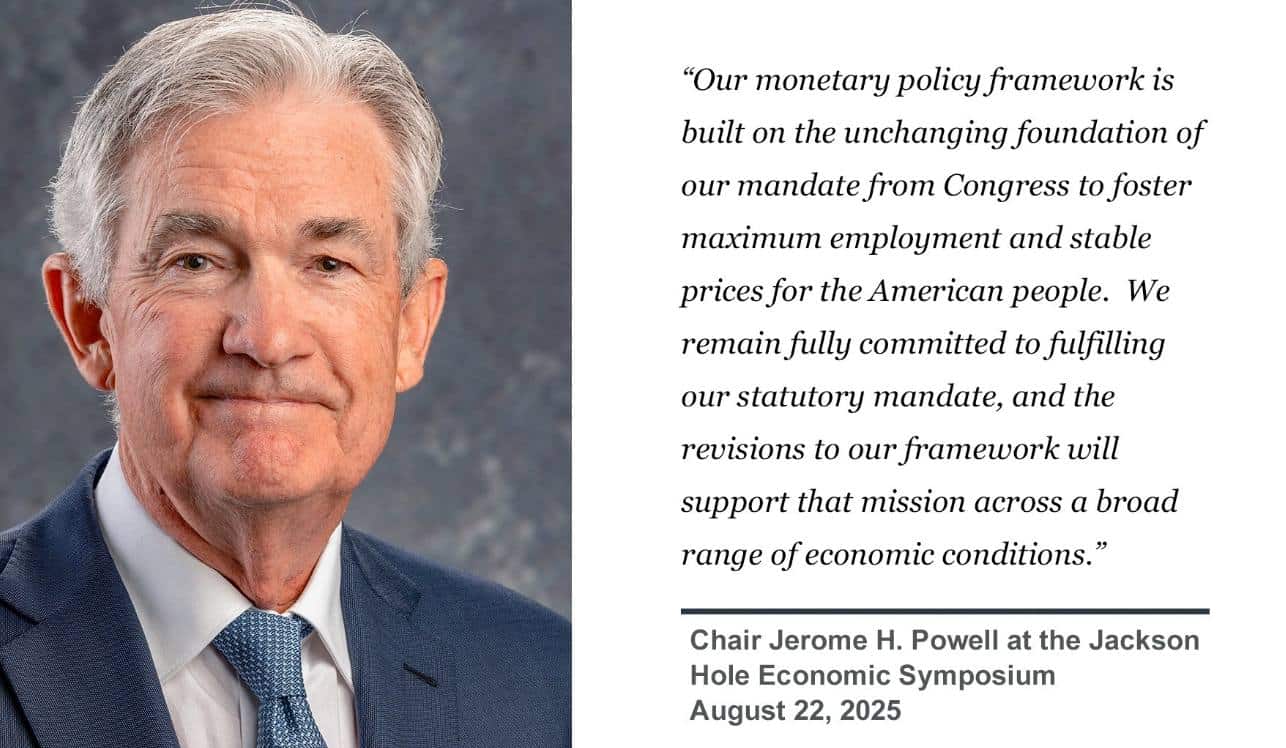
The US Justice Department has initiated a formal criminal investigation into Federal Reserve Chair Jerome Powell, an extraordinary development that has sent shockwaves through Washington and global financial markets. This unprecedented action reportedly stems from Powell’s steadfast refusal to yield to repeated political demands for lower interest rates, particularly from former President Donald Trump, a stance Powell has consistently defended as crucial for the central bank’s independence. The probe marks a significant escalation of political tensions surrounding the Fed’s monetary policy decisions, raising serious questions about the separation of powers and the integrity of economic governance.
Sources close to the matter indicate the investigation centers on allegations that Powell’s decisions or communications might have crossed legal boundaries, though specific charges remain undisclosed. The news broke late Tuesday, prompting immediate speculation among legal experts and financial analysts regarding the potential political motivations behind such a high-stakes inquiry. The development complicates an already delicate economic landscape, where the Federal Reserve plays a critical role in managing inflation and employment.
Powell himself described the probe as “unprecedented” during a brief statement to reporters, reaffirming his commitment to the Fed’s mandate and its independence from political influence. His comments underscored the gravity of the situation, highlighting a period of intense scrutiny and pressure on the central bank’s leadership.
Unprecedented action sparks political and market concern
The initiation of a criminal investigation against a sitting Federal Reserve chair represents a historic moment, unparalleled in the institution’s more than century-long history. This move immediately raised alarms about the politicization of economic policy and the potential chilling effect on future monetary decisions, as central bankers might become hesitant to make unpopular choices. Financial markets reacted swiftly, with initial jitters causing volatility in futures trading as investors grappled with the uncertainty.
Economists and legal scholars have begun to weigh in, with many expressing profound concern over the implications for the Federal Reserve’s long-cherished independence. The ability of the Fed to make decisions free from short-term political pressures is widely considered a cornerstone of stable economic policy.
The probe’s announcement comes at a time when the global economy faces numerous challenges, including persistent inflationary pressures and geopolitical instability. Any perception that the Fed’s actions could be influenced by legal threats or political coercion could erode confidence in the institution, potentially exacerbating economic instability.
The backdrop of a divided monetary policy
The current investigation appears deeply rooted in a protracted conflict over interest rate policy, which intensified during the previous presidential administration. Then-President Donald Trump publicly and repeatedly criticized Powell for not lowering interest rates, arguing that higher rates hindered economic growth and strengthened the dollar excessively. These demands were consistently rebuffed by Powell and the Federal Open Market Committee, who maintained that their decisions were based solely on economic data and the Fed’s dual mandate of maximum employment and price stability.
Powell consistently defended the Fed’s autonomy, asserting that the central bank would not succumb to political pressure. His unwavering stance was viewed by supporters as a principled defense of the institution, while critics saw it as an obstruction to economic stimulus. This long-standing disagreement has now apparently culminated in an official legal inquiry, escalating a policy dispute into a criminal matter.
The core of the dispute revolved around the appropriate timing and magnitude of interest rate adjustments, with political figures advocating for lower rates to stimulate borrowing and investment. Powell, conversely, focused on managing inflation risks and ensuring sustainable long-term growth, which often necessitates a more cautious approach to rate cuts.
Potential implications for the federal reserve’s independence
The criminal probe poses a severe threat to the operational independence of the Federal Reserve, an institution designed to operate free from direct political interference. Its autonomy is crucial for making tough economic decisions that may be unpopular in the short term but beneficial for the nation’s long-term economic health. The perception that a Fed chair could face criminal charges for policy decisions creates a perilous precedent.
Should the investigation proceed or lead to formal charges, it could fundamentally alter the balance of power between the executive branch and the central bank. This scenario might compel future Fed chairs to consider political ramifications alongside economic data when setting monetary policy, potentially compromising the institution’s effectiveness and credibility. Such a shift would have far-reaching consequences for domestic and international financial stability.
The legal process itself will undoubtedly be lengthy and complex, drawing immense public and media attention. This ongoing scrutiny could distract the Federal Reserve from its core mission, diverting resources and focus away from critical economic analysis and policy implementation during a period when clarity and decisive action are paramount.
The financial community and international partners are watching closely, concerned that any erosion of Fed independence could destabilize global financial systems. The Fed’s reputation as a politically neutral arbiter of monetary policy is a key factor in its global influence.
Reactions from lawmakers and economic analysts
Lawmakers across the political spectrum have voiced varied reactions, with some defending the Justice Department’s authority to investigate potential wrongdoing, while others condemned the probe as an egregious overreach. Supporters of the investigation argue that no official, regardless of position, should be above the law, implying that the inquiry is a legitimate exercise of prosecutorial power. This stance emphasizes accountability, suggesting that even high-profile economic policy decisions could warrant legal scrutiny if impropriety is suspected.
Conversely, numerous senators and representatives from both parties have expressed alarm, warning that the investigation sets a dangerous precedent for future administrations to weaponize legal tools against independent institutions. Many economic analysts echoed these concerns, emphasizing that monetary policy is inherently a matter of judgment and expertise, not a domain typically subject to criminal prosecution. They highlight the risk of politicizing decisions that require a non-partisan approach to safeguard the nation’s economic future.
Broader economic and legal ramifications anticipated
The ongoing criminal probe into Fed Chair Jerome Powell promises to unleash a cascade of legal, economic, and political ramifications that extend far beyond the immediate individuals involved. Legally, the case could test the boundaries of prosecutorial power against unelected officials making policy decisions, potentially setting new precedents for how independent government bodies are held accountable. Economically, the uncertainty generated by this investigation could disrupt market stability, dampen investor confidence, and complicate the Fed’s ability to manage monetary policy effectively, especially during periods of economic fragility or rapid change. This unprecedented legal action might also encourage further political interference in the central bank’s operations, fundamentally reshaping the institutional framework that has long insulated the Fed from partisan pressures and ensuring that its decisions are driven by economic imperatives rather than political expediency. The outcome of this probe could therefore redefine the very nature of central banking in the United States and influence global perceptions of independent economic governance for years to come.
Past presidential pressures on the fed
Historically, US presidents have occasionally expressed frustration with Federal Reserve policies, but these interventions have typically remained within the bounds of public criticism or private persuasion, rather than leading to criminal investigations. The current probe marks a dramatic departure from this established norm.


